
How to Attract Butterflies to Your Garden in Arizona
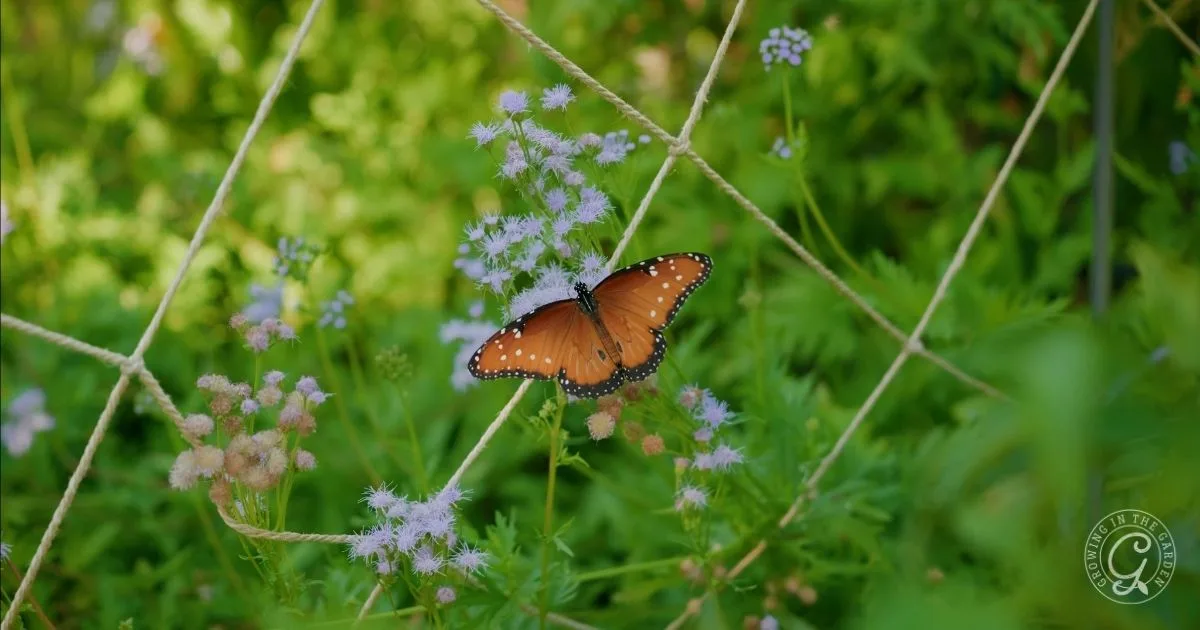
Being in my garden surrounded by butterflies feels magical. I secretly hope one lands on me, but I’m happy just watching them flutter around. Want to attract butterflies in your garden this year? Build a habitat, and the butterflies will follow.
This Arizona butterfly garden guide covers the four essentials necessary to attract and support butterflies. You’ll learn the best native milkweeds for Monarchs and Queens, nectar plants by season, how to add shelter and water, what to avoid, and simple tips for keeping plants alive and thriving.
Key Takeaways: How to Attract Butterflies
- To create a successful butterfly garden in Arizona, focus on four essentials: host plants, nectar plants, shelter, and water sources.
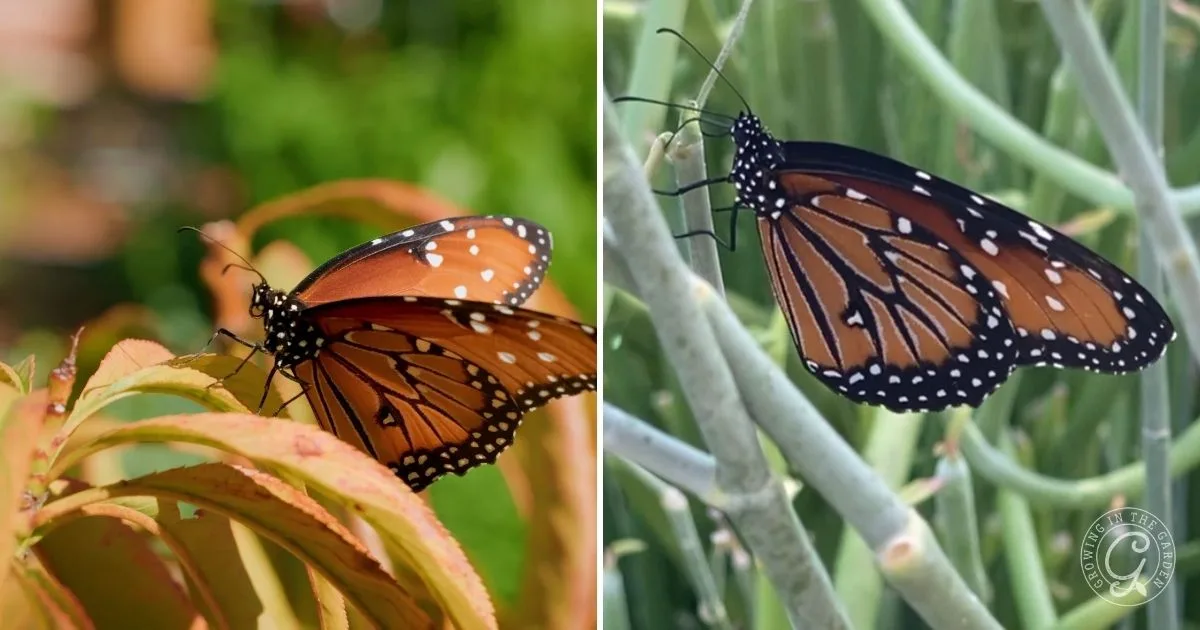
- Choose native milkweeds for Monarchs and Queens, and provide nectar plants that bloom throughout the seasons.
- Avoid systemic insecticides that can harm butterflies and caterpillars; promote plant diversity instead.
- Incorporate a puddling dish for butterflies and ensure the garden has full sun and well-drained soil.
- Be patient; a thriving butterfly garden shows signs of life, like chewed plants and various butterfly species.
The Four Essentials for a Butterfly Garden
1. Host plants
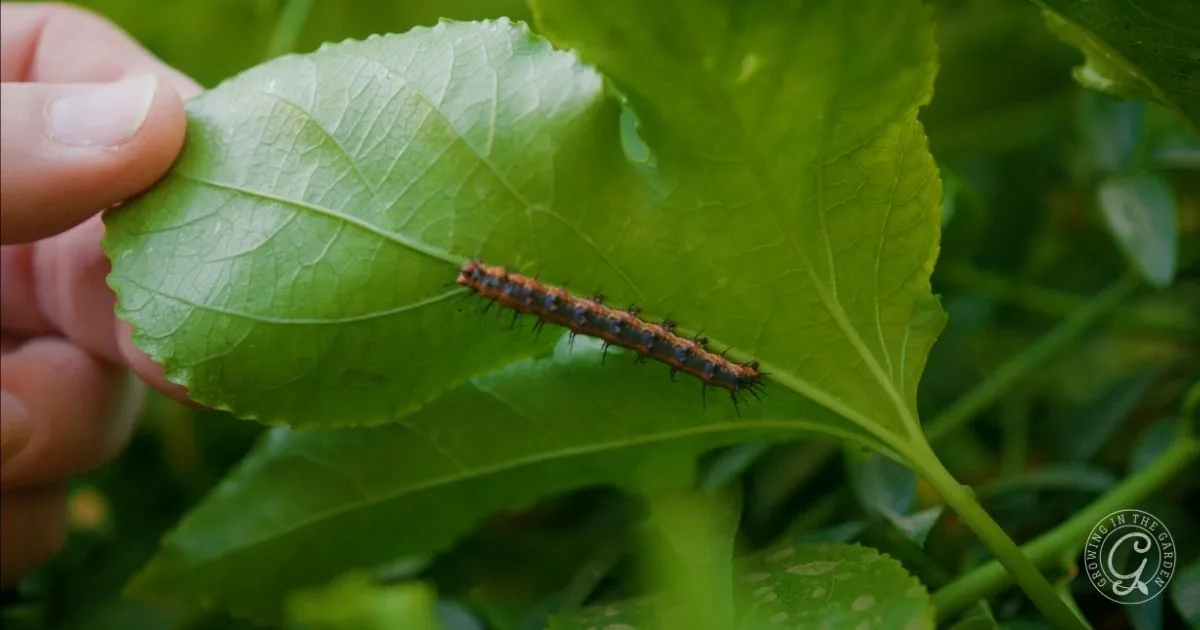
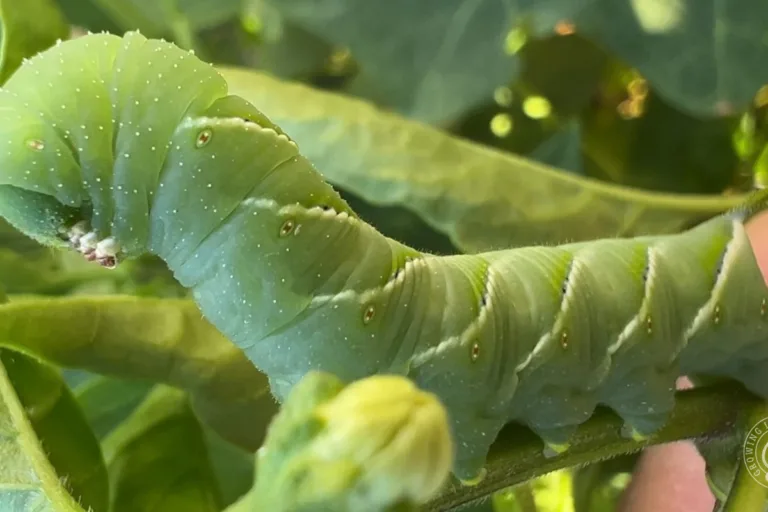
Butterflies lay eggs on specific plants. Caterpillars feed on those leaves after they hatch. Chewed leaves mean it is working. Expect some damage to plants. Chewed plants are a sign that your butterfly habitat is attracting butterflies to your garden.
- For Monarchs and Queens, the hosts are milkweeds.
- For Black Swallowtails, it is dill, fennel, and parsley.
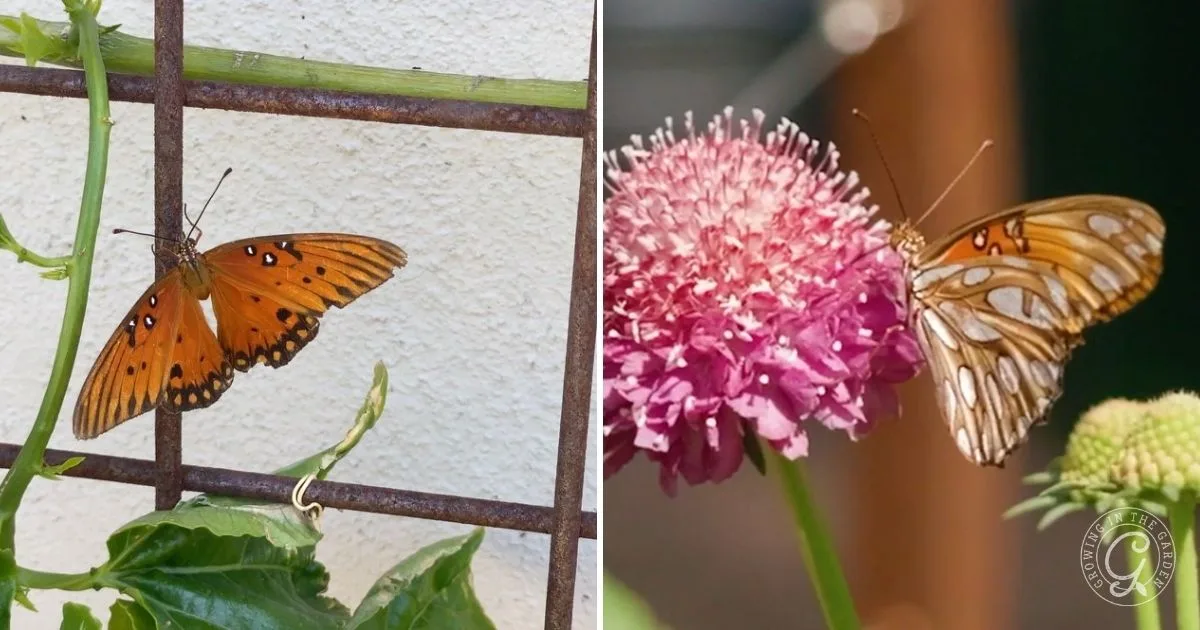
- Gulf fritillary uses passion flower vine.
- Cloudless sulphur uses Senna.
- Painted lady uses mallows, thistles, and hollyhocks.
Low-desert milkweeds to prioritize:
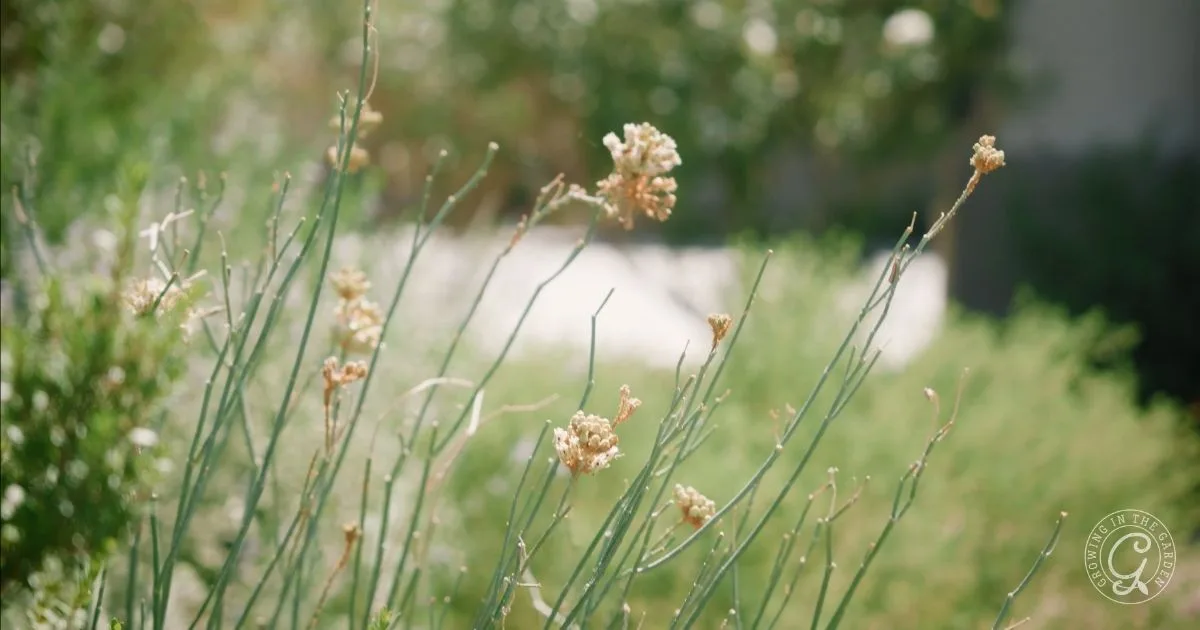
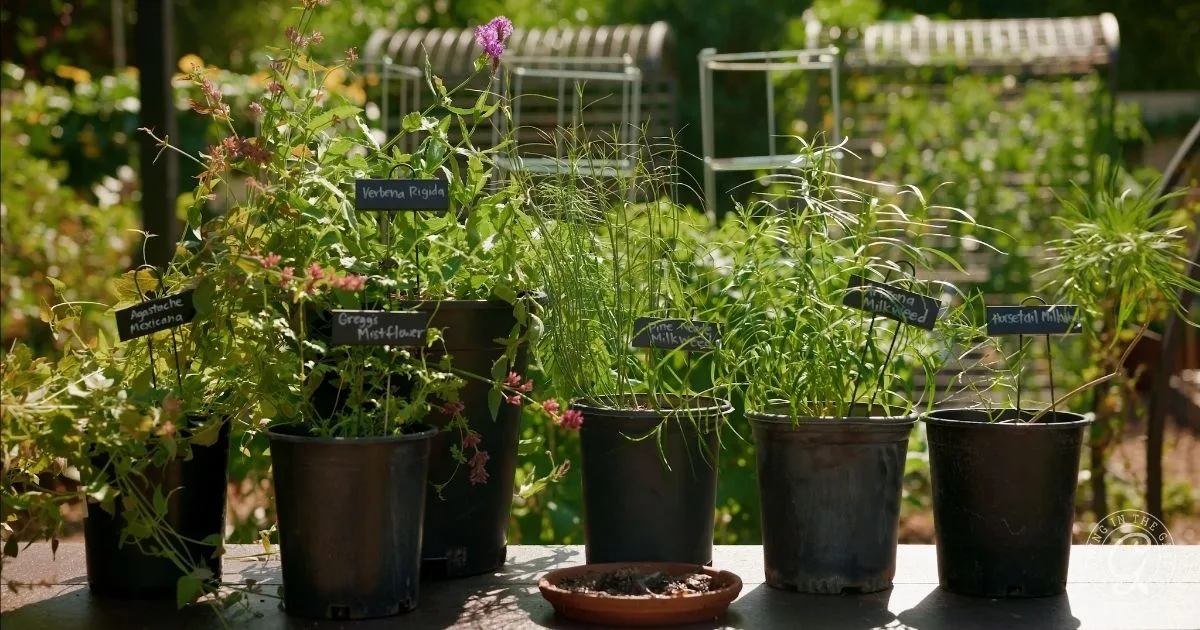
- Rush or desert milkweed (Asclepias subulata)
- Desert milkweed (Asclepias erosa)
- Arizona milkweed (A. angustifolia)
- Pine-needle milkweed (A. linaria)
Plant more than one type of milkweed. Plant several clusters if you can to attract Monarch and Queen butterflies. I even used milkweed in one planting area near our pool remodel because I still want pollinator plants in the parts of the yard our family uses most.
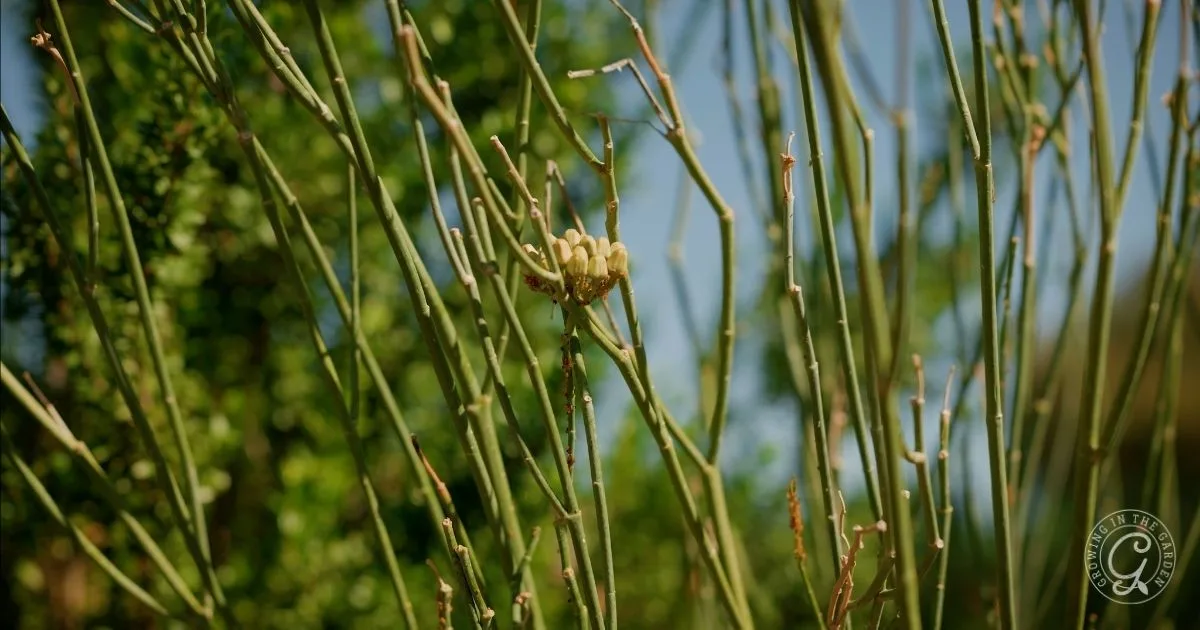
Native plants make the biggest difference for butterflies. See which ones are true Arizona natives in native plants for Arizona.
What about aphids on milkweed?
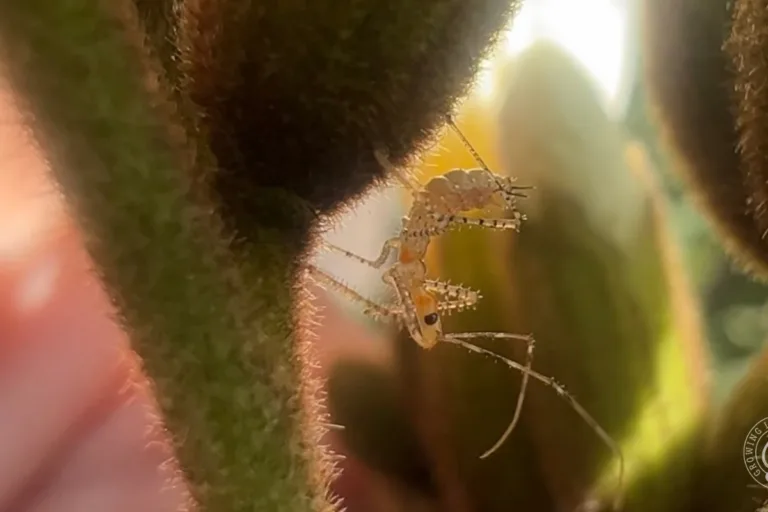
Aphids on milkweed are normal and mostly cosmetic. They do not bother Monarch or Queen caterpillars, and they do not keep butterflies from visiting. Do not treat or worry about it. Caterpillar eggs are tiny and easy to dislodge, so efforts to make milkweed aphid-free can cause harm. Learn more about handling aphids correctly.
2. Nectar plants
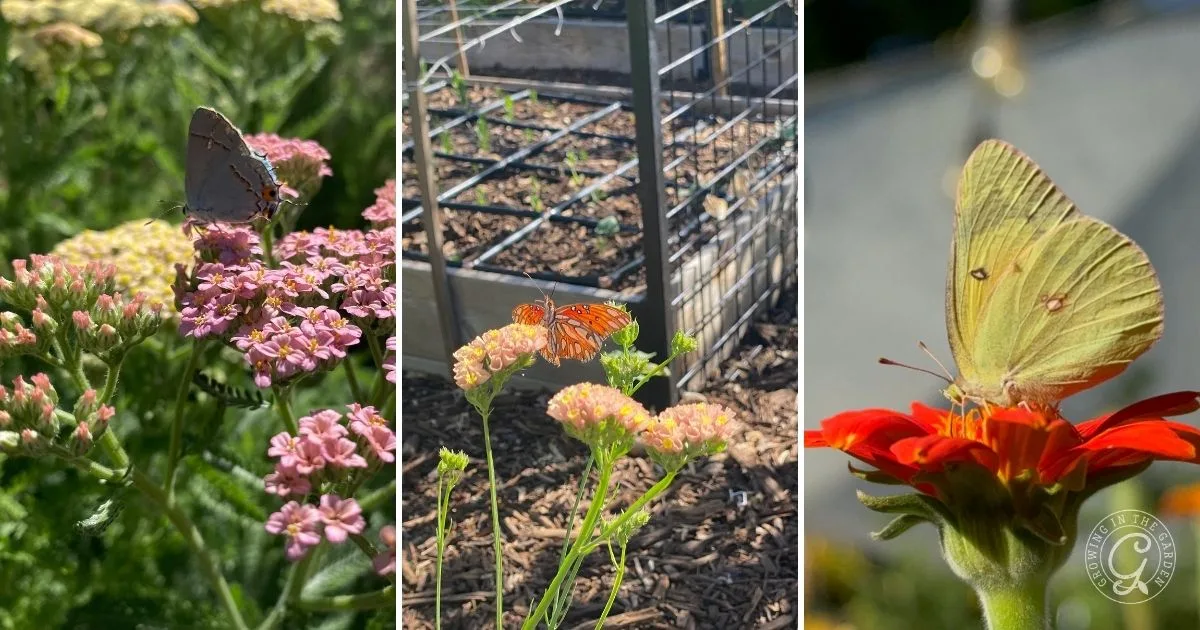
Adult butterflies need nectar from spring through fall. Plant in clusters so they can find flowers and keep feeding. Stagger bloom times so there is always something for butterflies to feed on.
- Spring: Parry’s penstemon, globe mallow, evening primrose, angelita daisy, verbena
- Summer: Desert willow, lantana, tithonia, zinnia, sweetbush, desert lavender
- Fall: Asters, tithonia, zinnia, Gregg’s mistflower, paperflower
3. Shelter
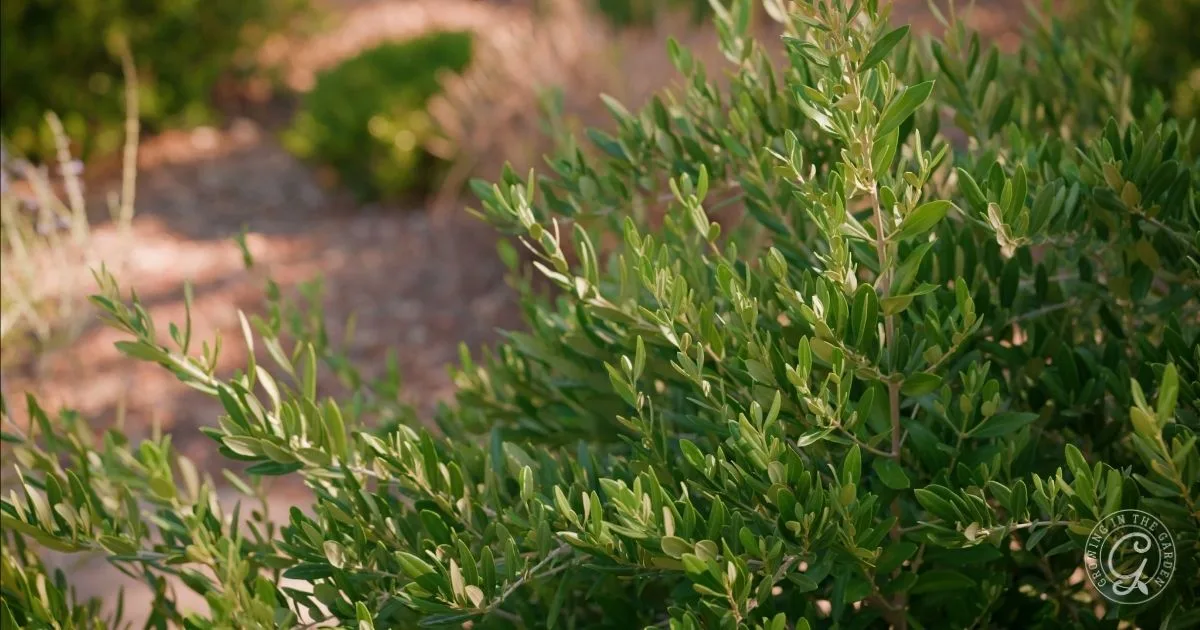
Calm air means longer feeding and safer roosts. Use shrubs or small trees upwind of your nectar bed to create a pocket of still air. Good options: palo verde, mesquite, desert willow, hopseed bush, Texas sage. Find my 10 favorite shrubs to use in my Arizona landscape.
4. Water and minerals (puddling)
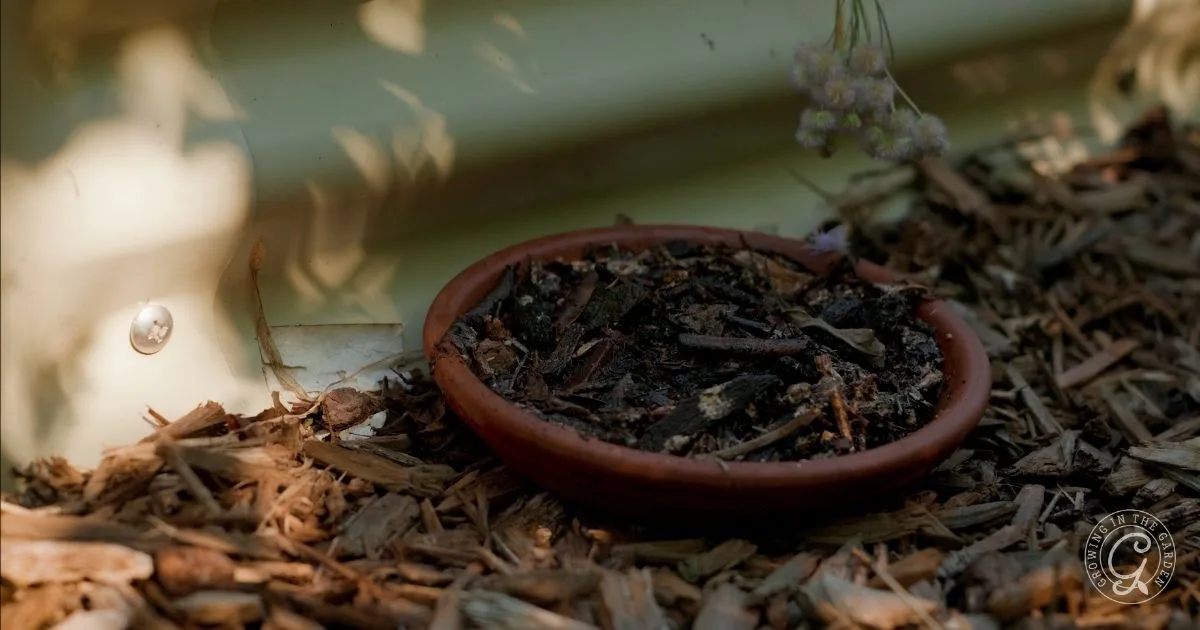
Use a shallow dish or plant saucer with an inch or two of sand or soil and a few flat stones. Keep it muddy, not flooded. Place in light shade near the flowers. Refresh often.
What Not to Do
Avoid systemic insecticides such as neonicotinoids on plants that feed pollinators. These move into pollen and nectar. If you must treat, spot-treat non-blooming plants with insecticidal soap or remove pests by hand. Build resilience through soil health, plant diversity, and tolerance for chewing.
Tropical Milkweed in Arizona
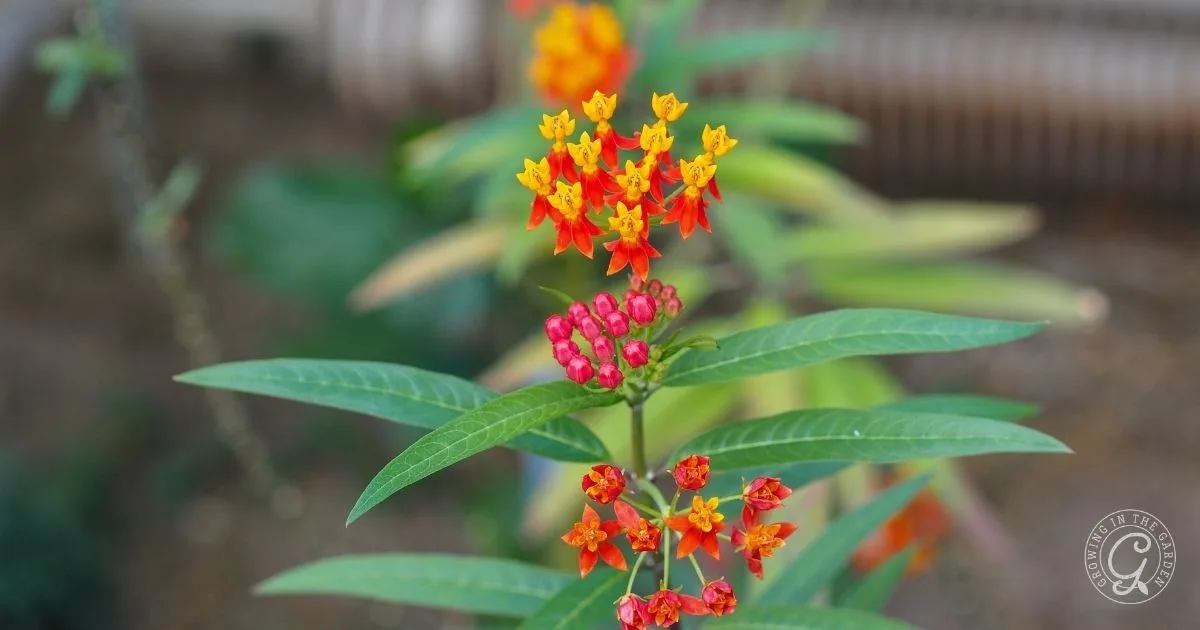
If you grow tropical milkweed (Asclepias curassavica), cut it back to 4–6 inches after fall migration in the low desert, usually late November through December. Consider replacing it with natives over time.
Simple Care for Success in the Low Desert
- Sun: Full sun. Give new plants temporary protection their first summer
- Soil: Well-drained. In containers, use a coarse mix
- Water: Deep and infrequent once established. Allow the top to dry between waterings
- Mulch: 2.5–5 cm to moderate heat and conserve moisture. Keep mulch away from crowns
- Deadhead: Keep nectar plants blooming
- Patience: Chewed host plants rebound
Creating a Butterfly Garden FAQs
Yes. Caterpillars require specific host plants, adults need steady nectar, and both stages are sensitive to chemicals. Multiple species across the season and visible life stages indicate a functioning food web.
Yes. Both rely on milkweeds for their caterpillars in the Southwest.
Yes. Planting a native milkweed, a nectar cluster, and having a puddling dish can make a difference.
Related Articles:

Leave a comment on How to Attract Butterflies to Your Garden in Arizona