
How to Grow Gregg’s Mistflower (Texas Ageratum)
Want to know how to grow Gregg’s mistflower in Arizona? Keep reading for exactly how to plant it, how much sun and water it needs, when to prune, how it handles frost, and the best planting windows.
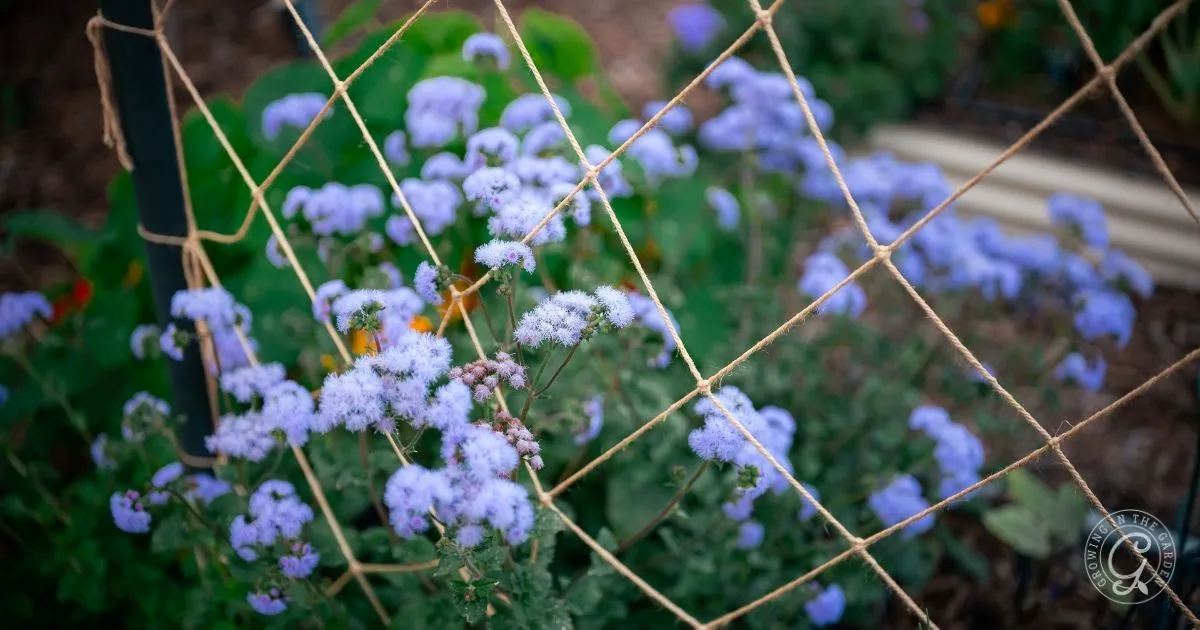
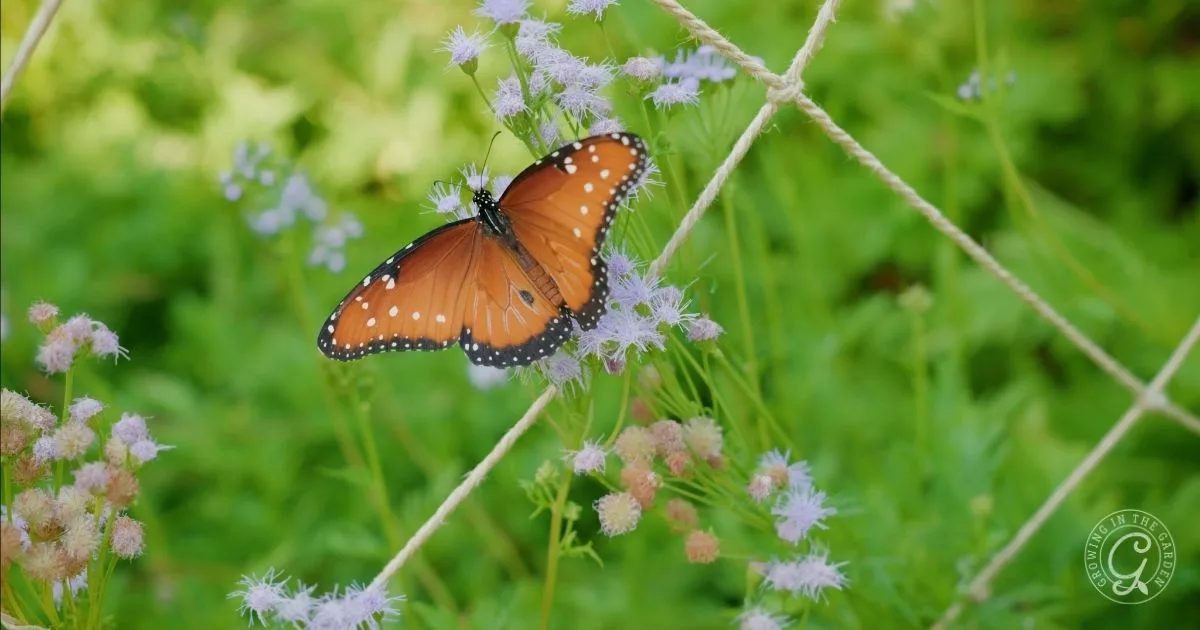
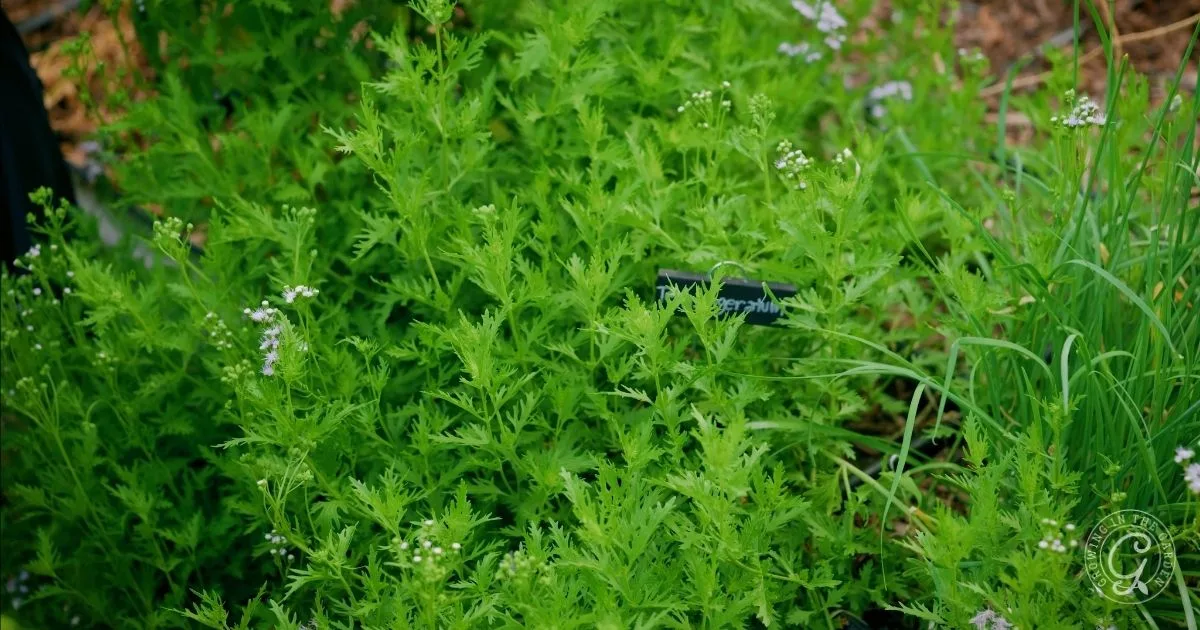
Gregg’s mistflower was the star of my fall garden. From October through November, it was covered in Queen butterflies, and for a brief stretch in November, the Monarchs showed up too. I was in awe. It was also the star of the show all fall at Arizona Worm Farm. Every time I visited, the plants were blanketed in Queens and bringing joy to everyone who walked by. I picked up my transplant there last spring. I planted mine in a raised bed, but it does just as well in the ground. It survived the summer here, and I just added more to my front yard pollinator and milkweed garden in a rain-catchment area.
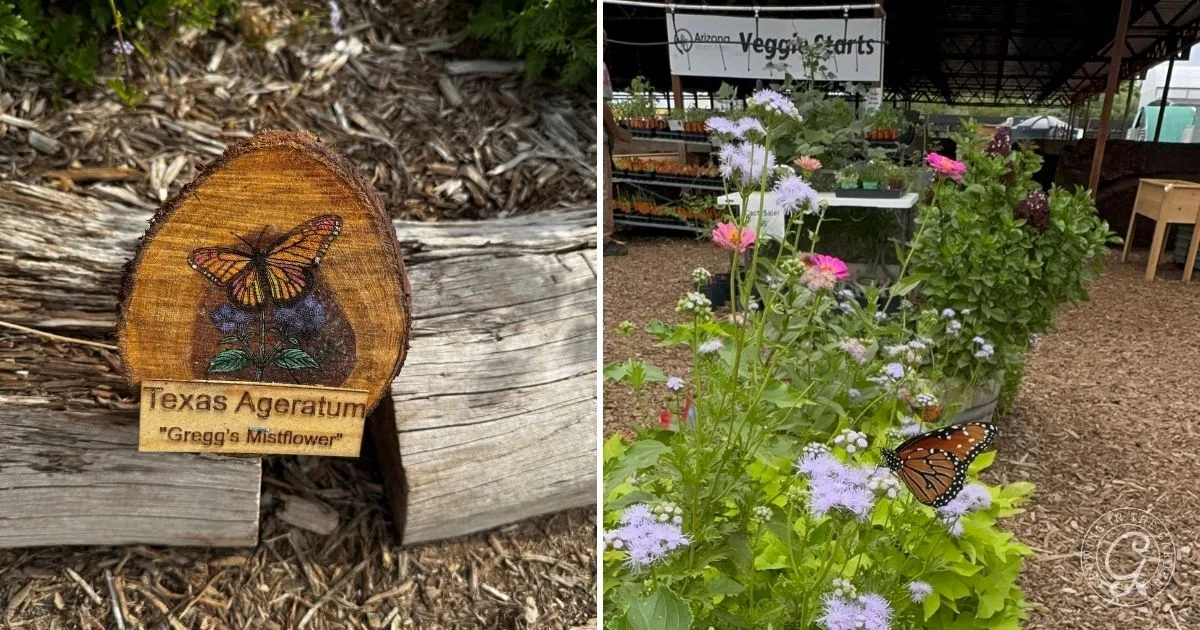
Want a complete habitat plan? See my Arizona Butterfly Garden Guide for host, nectar, shelter, and water.
Key Takeaways: How to Grow Gregg’s Mistflower
- Gregg’s mistflower attracts butterflies like Queens and Monarchs, thriving in gardens during fall.
- It prefers morning sun, well-drained soil, and moderate watering for optimal growth.
- Plant transplants in fall or early spring, allowing roots to establish before summer heat.
- Mistflower can handle light frosts but may go dormant; a late winter cutback promotes new growth.
- This plant is perfect for pollinator gardens, pairing well with native milkweeds and long-blooming nectar plants.
What We’ll Cover:
- Quick Facts
- Growing Conditions (Low Desert)
- When to Plant Texas Ageratum
- How to Grow Gregg’s Mistflower From Seed
- How to Plant From Transplants (Preferred Method)
- Watering
- Summer Care
- Frost Tolerance and Winter Care
- How to Prune
- Propagation
- Pests and Notes
- Design Ideas and Good Companions
- My Experience
- Keep Learning and Planting
- FAQs
- Related Reading
Quick Facts
- Botanical name: Conoclinium greggii
- Type: Perennial nectar plant
- Size: 12–30 in tall (30–75 cm), spreading clumps
- Bloom: Late summer through fall in the low desert
- Pollinators: Queens, Monarchs, skippers, native bees
- Habit: Spreads by short rhizomes; easy to shape
Also called “Texas ageratum”
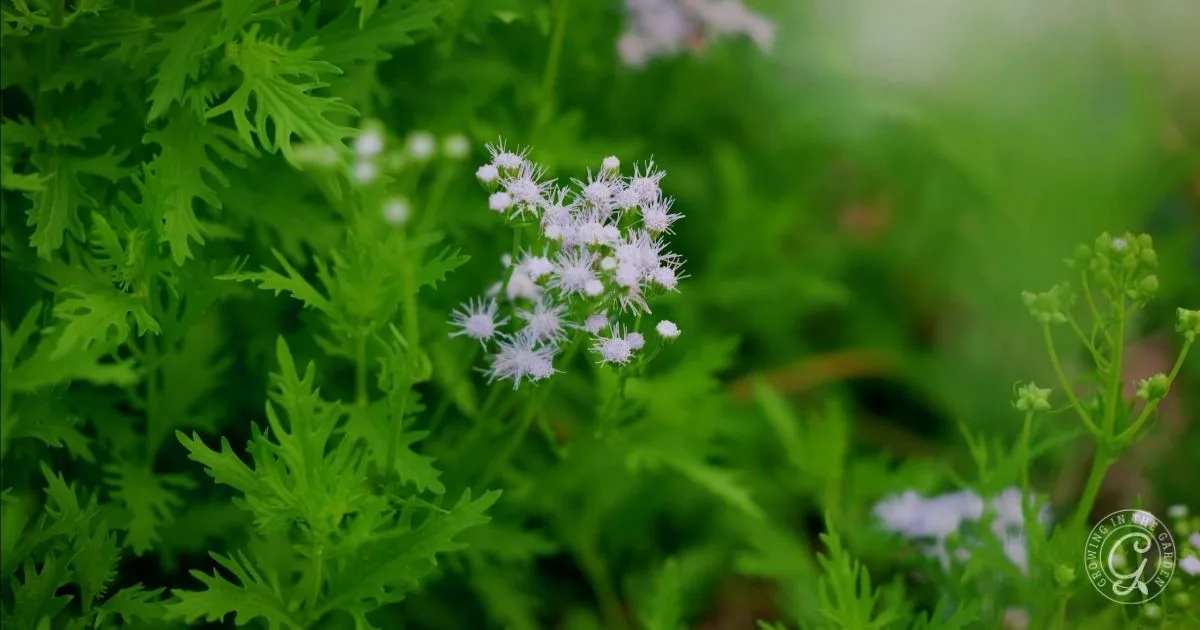
Gregg’s mistflower (Conoclinium greggii) is also known as Texas ageratum or blue mistflower. It’s different from the annual flossflower/ageratum (Ageratum houstonianum). They share a family but are different genera—Gregg’s mistflower is a perennial that spreads by short rhizomes and shines in late summer and fall. Gregg’s mistflower is a true Arizona native and a butterfly magnet. See it alongside other natives in native plants for Arizona.
Growing Conditions (Low Desert)
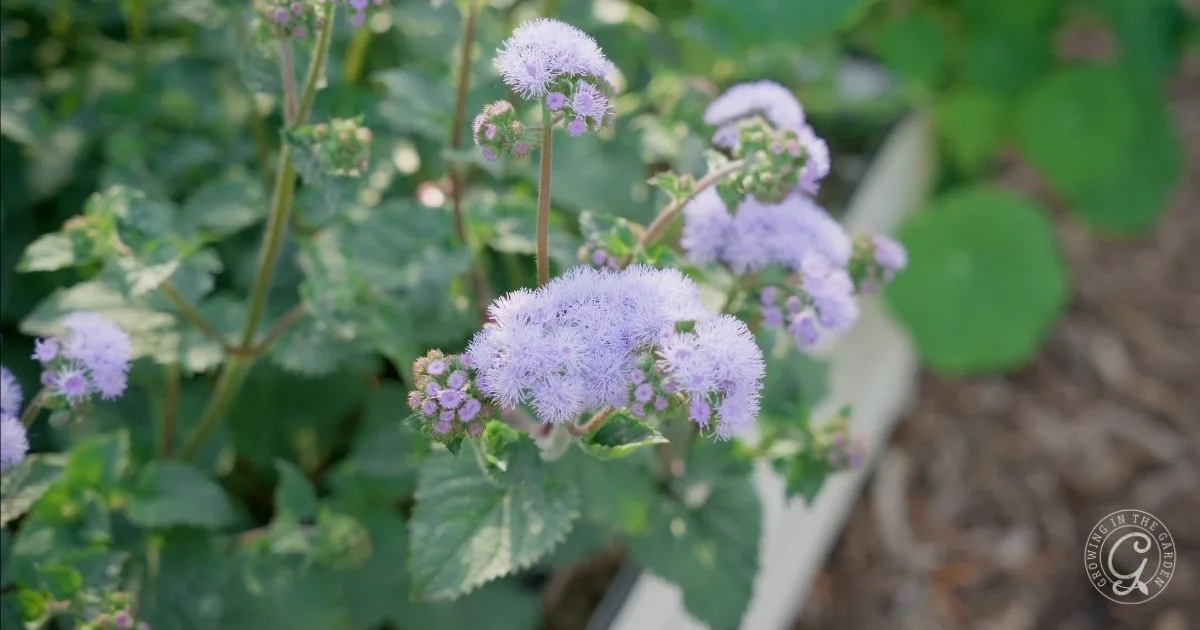
- Sun: Morning sun with light afternoon shade is ideal. In very hot spots, filtered light helps it bloom longer.
- Soil: Well-drained, loamy or amended native soil. It will grow in raised beds or in the ground.
- Water: Moderate. Keep evenly moist getting established, then water deeply and regularly to keep it blooming through heat.
- Spacing: 18–24 in (45–60 cm) apart to allow spreading.
- Fertilizer: Not heavy-feeding. Amending with a little compost or worm castings in spring is enough.
When to Plant Texas Ageratum
- Best timing: Plant transplants in fall or early spring so roots establish before summer heat.
- Containers or beds: Works in large containers, raised beds, or in-ground borders.
How to Grow Gregg’s Mistflower From Seed
Gregg’s mistflower is most commonly grown from transplants or divisions, but you can also start it from seed. Seeds can be slow and a little finicky, so starting indoors gives the most consistent results.
Starting seeds indoors
- When to start: 8–10 weeks before you want to plant outside. In the low desert, that’s usually late winter for spring planting, or midsummer for fall planting.
- How to sow: Sprinkle seeds on the surface of a seed-starting mix and press them in gently. Do not bury them. They need light to germinate. Top with a thin layer of vermiculite to help retain moisture.
- Moisture and warmth: Keep evenly hydrated and warm. A humidity dome helps. This is what I use.
- Light: Provide bright light as soon as seeds sprout.
- Potting up: Once seedlings have a couple sets of true leaves, pot them up into larger containers so they can develop strong roots before planting outside.
- Hardening off: Gradually introduce seedlings to outdoor conditions over 7–10 days before planting. Learn more about how to harden off seedlings in this guide.
Direct sowing outdoors
- When to sow: Direct sow in mild weather. In the low desert, late fall is usually the easiest time.
- Where to sow: Choose an area with good drainage and consistent moisture.
- How to sow: Scatter seed on the surface, press it into the soil, and keep the top layer lightly damp until germination. Do not cover with soil.
Seedling care tips
- Thin seedlings so plants have room to spread.
- Keep the soil consistently moist during germination and early growth.
- Once established, transition to deep watering rather than frequent shallow watering.
How to Plant From Transplants (Preferred Method)
- Choose a spot with morning sun and good drainage.
- Loosen soil 8–12 in (20–30 cm) deep. Mix in compost if needed.
- Set the transplant level with the soil surface, and then water deeply.
Watering
- Keep soil consistently moist for the first 4–6 weeks.
- Once established, water deeply, then allow the top inch (2–3 cm) to dry before watering again.
- In a rain-catchment or basin, it benefits from monsoon runoff. (That’s where I added mine in the front yard.)
Summer Care
Mistflower can handle our summers if it has a little afternoon shade and steady moisture. A layer of mulch helps. If it struggles a bit, it should rebound quickly once the nights cool.
Frost Tolerance and Winter Care
Light frosts may nip the tops. After frost, it will brown and can go dormant. In late winter, shear or cut back to a few inches to clean it up. New growth returns with warmer days.
How to Prune
- Deadhead lightly when it’s blooming to shape and encourage new blooms.
- Hard cutback in late winter to refresh the clump.
- If it spreads more than you want, edge or spade off the outer runners and replant divisions elsewhere.
Like most desert shrubs, it does best with a light hand, and this guide to pruning desert shrubs explains when to cut and when to leave it alone.
Propagation
- Division: Lift and split clumps in early spring.
- Cuttings: Softwood cuttings root easily in warm weather.
Pests and Notes
- Generally low pest pressure.
- Aphids are normal on nearby milkweed and are mostly cosmetic. They do not bother Monarch or Queen caterpillars. Do not spray. Caterpillar eggs are tiny and easy to dislodge, and efforts to make milkweed aphid-free can cause harm.
Design Ideas and Good Companions
- Plant mistflower between native milkweeds so adults have nectar near larval hosts.
- Pair with long-bloom nectar plants for continuous color:
- Tithonia (Mexican sunflower) for late-summer fuel
- Zinnias for all-summer landing pads
- Verbena and blackfoot daisy for low edging
- Dalea or Buddleja marrubifolia for a drought-tough shrub backdrop
- Add a puddling dish nearby for minerals and a shelter shrub upwind to calm the air.
My Experience
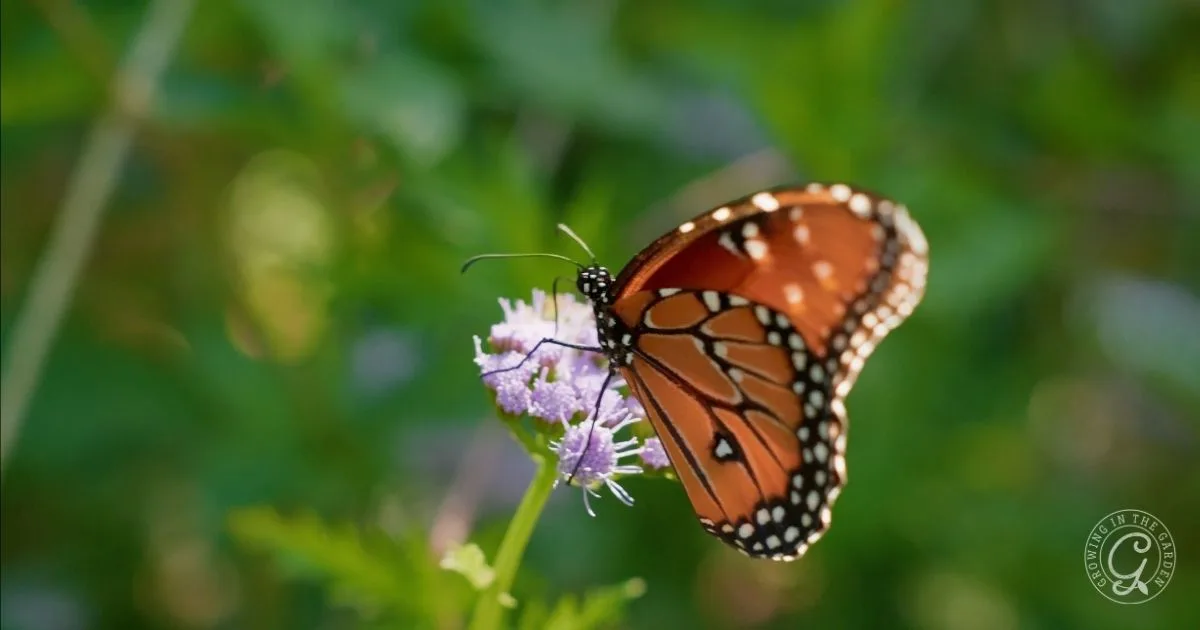
The plant I brought home from Arizona Worm Farm took off in a raised bed, bloomed through fall, and was covered in Queens for weeks. It survived summer with afternoon shade and regular deep watering. I liked it so much, I added another plant to my front yard pollinator garden.
Keep Learning and Planting
- Build a complete habitat with host, nectar, shelter, and water: Arizona Butterfly Garden Guide.
- Passion flower vine is the host for the Gulf fritillary. Learn how I grow it: How to Grow Passion Flower Vine.
- Fill your beds with long-bloom nectar: Perennials for Pollinators in Your Desert Garden.
- Late-summer fuel for migration: How to Grow Mexican Sunflowers (Tithonia) and How to Grow Zinnias.
- Verbena is a great partner at the front of the bed: How to Grow Verbena.
FAQs
In the low desert it spreads politely by short rhizomes. Give it space or edge it once a year if needed.
Yes, but it holds blooms longer with morning sun and light afternoon shade in our heat.
Peak activity is late summer through fall. Queens are especially drawn to it in October and November here.
Yes. Choose a wide pot with a well-drained mix. Water consistently and shear in late winter.

I have a large Gregg’s mist under the dappled shade of a tree. I find it to be thirsty, so I put a terra cotta watering stake with a small bottle of water in the center of the cluster to help keep the soil moist. I would add an olla at the time of planting if I ever grew another, but I’m not digging it up to do that now!
Thanks for sharing. Mine has certainly been happy in a raised bed with regular watering.