
Arizona Backyard Chickens: A Guide for Beginners
Expert tips from Inspire Farms (Mesa, Arizona)
I added chickens to my garden in 2021 and have loved the life, eggs, and free fertilizer they bring. Along the way, I’ve learned a few lessons (like how the right feeder can save both money and feed), but I still turn to the experts when I need solid advice.
Tiffiny and Inspire Farms are my go-to resources for everything related to chickens: information, chicks, feed, and supplies. Her practical experience and deep understanding of our desert climate make her one of the most trusted local voices for new chicken keepers.
To help you get started the right way, I asked Tiffiny from Inspire Farms in Mesa, Arizona to share her best advice for raising a happy, healthy flock in our desert climate. From choosing breeds to keeping coops cool, her guidance will help beginners feel confident from day one.
Key Takeaways
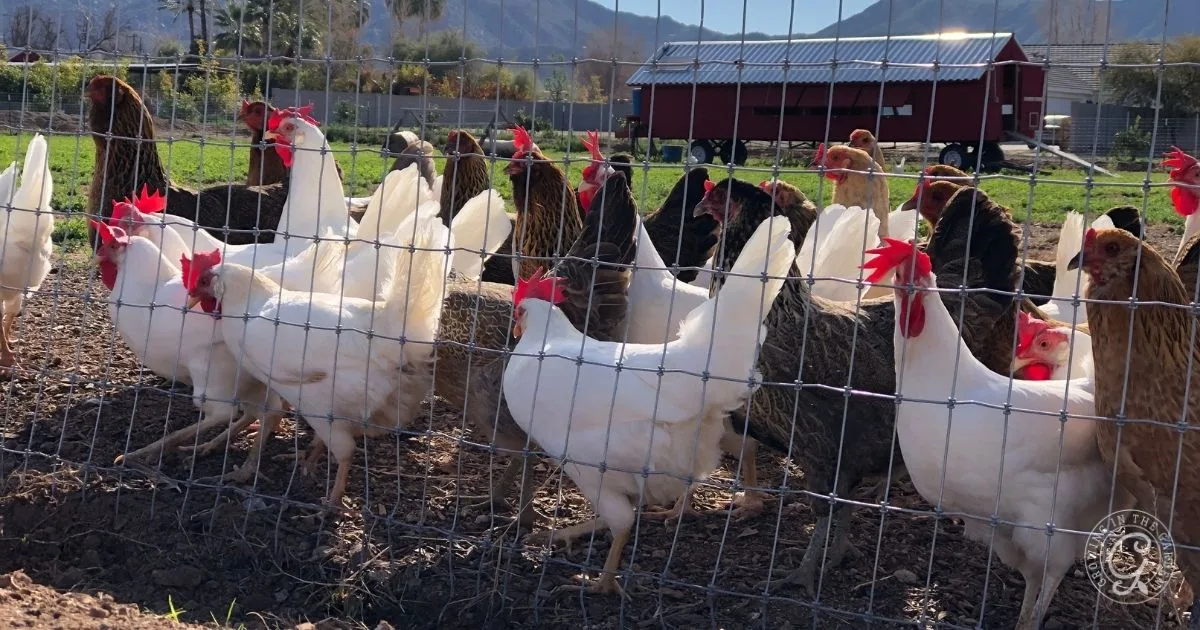
- Choose breeds like Black Australorps and White Leghorns for Arizona’s climate to start your flock.
- Ensure your coop is predator-proof, provides enough space, and offers proper bedding and ventilation.
- Feed chickens according to their life stage and offer treats carefully to maintain health.
- Collect eggs daily and be aware of factors that affect laying, such as light and nutrition.
- Integrate chickens gently into your home and garden, focusing on kid-friendly breeds and gradual introductions.
What we’ll cover:
1. Choosing the Right Chickens
If you’re new to chickens, choosing the right breed sets the tone for your whole experience.
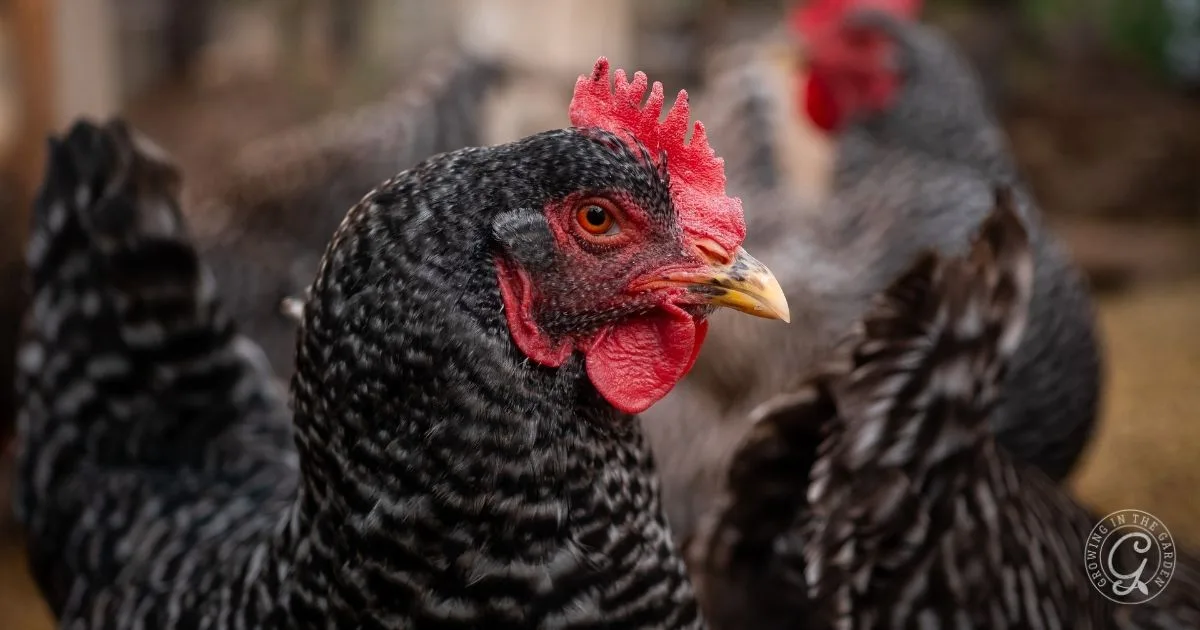
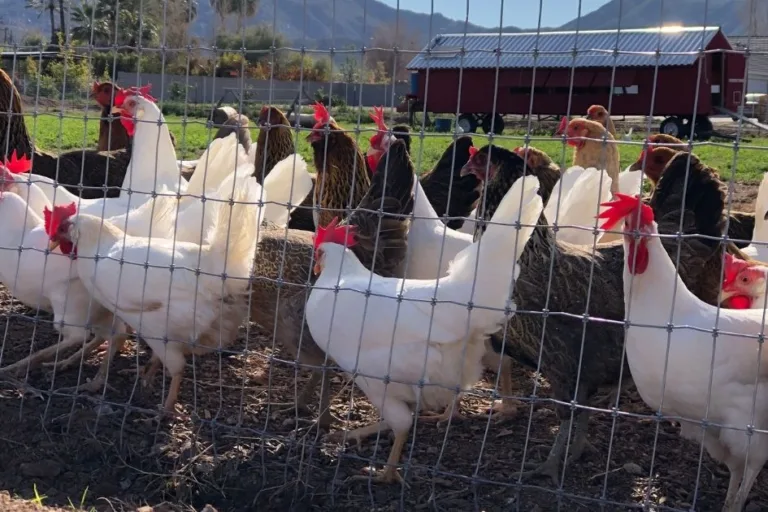
According to Tiffiny from Inspire Farms, Black Australorps are one of the best chicken breeds for beginners.
“They’re friendly, talkative, and genuinely seem to want to be your friend,” she says. “They’re beautiful birds and reliable egg-layers—many produce up to 290 eggs a year!”
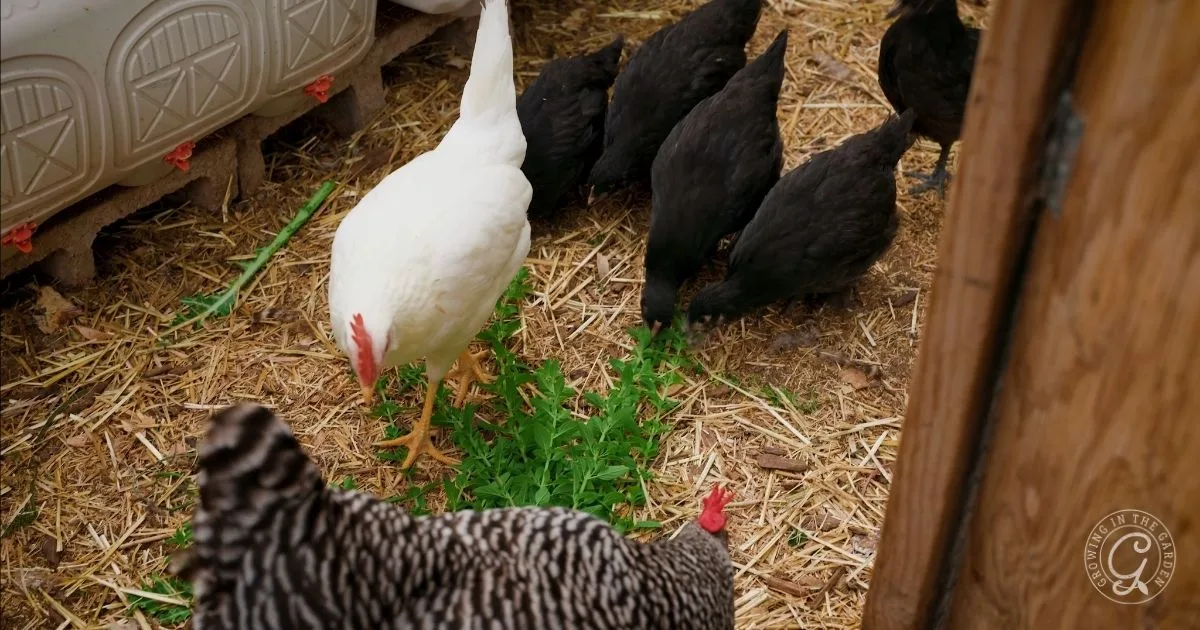
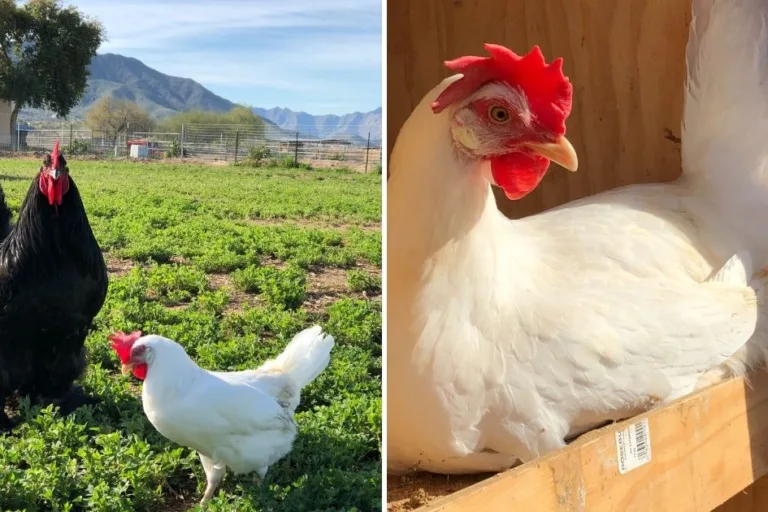
For Arizona’s hot, dry climate, both Black Australorps and White Leghorns are excellent choices. “Australorps are hardy and adaptable, while Leghorns’ lighter bodies and large combs help them stay cool,” Tiffiny explains.
Plan to start with 3–6 hens. Chickens are flock animals and happiest with companions. Most backyard keepers skip roosters altogether—hens will lay eggs just fine without one.
Expert Tip: If you do want a rooster, aim for one rooster per ten hens to prevent over-mating and stress.
2. Building the Coop
Your coop is your flock’s home base—part fortress, part comfort zone. A good design keeps predators out and hens happy year-round.
Predator-Proofing Essentials
Use hardware cloth, not chicken wire, to cover every opening, and secure doors with solid latches. Bury wire at least 12 inches around the run to stop digging predators.
Space Requirements
- Coop: 2–4 square feet per bird
- Run: 8–10 square feet per bird
More space = happier, healthier hens.
Roosting
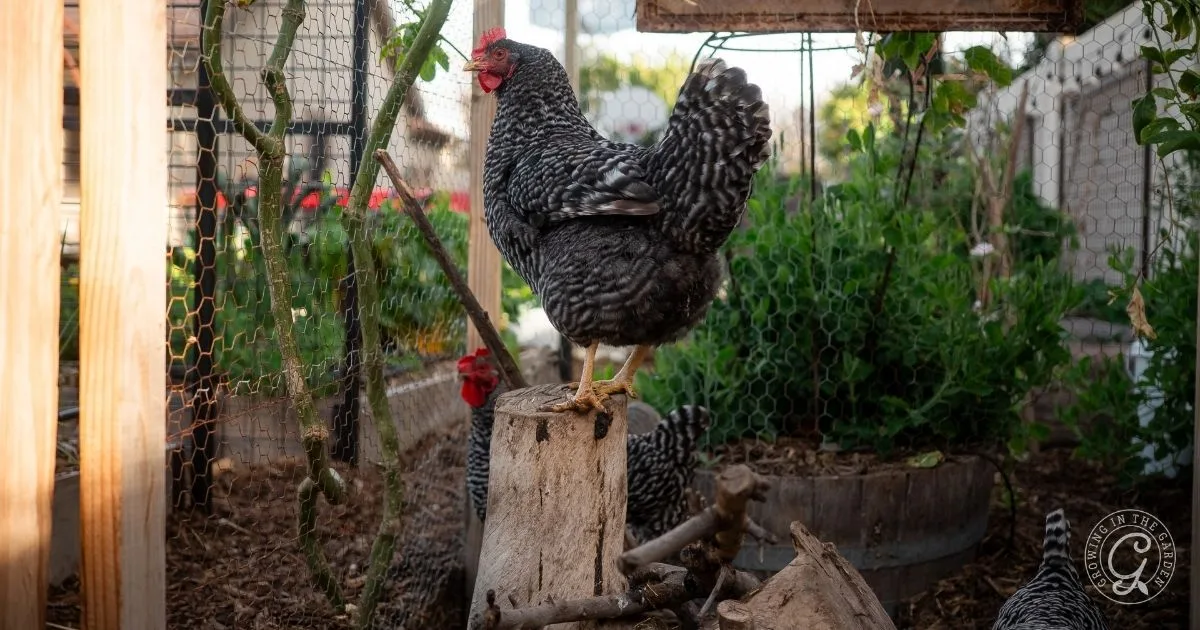
Your roost bar should be flat, not round. Chickens don’t perch like other birds—they rest with their feet flat. A flat roost lets them relax and keeps them healthy. If the bar is round and they have to grip it, they can get exhausted, which can lead to poor health and fewer eggs.
Bedding and Cleaning
For Arizona’s dry conditions, Tiffiny recommends straw instead of pine shavings. Straw decomposes quickly and works beautifully with the deep litter method (adding new straw on top of old bedding to compost naturally and control odor).
“With the deep litter method, the coop stays cleaner and smells better. Just keep adding fresh straw to high-traffic areas and let nature do the rest.”
Good ventilation is just as important as bedding choice. Install vents near the roofline and keep windows screened with hardware cloth for safety and airflow.
Keeping Chickens Cool in the Arizona Heat
Shade is critical. Place the coop under trees whenever possible; manmade shade alone often isn’t enough in our intense summer heat. For more ways to keep chickens cool in hot summers, read this guide.
Expert Tip: “Install a fan up high to pull hot air out of the coop,” Tiffiny suggests. “Airflow keeps your flock comfortable and productive.”
Winter Care
Arizona winters are mild. Just block drafts, keep bedding dry, and skip the heat lamps. Your flock’s natural feathers provide plenty of insulation.
Get the list of essential supplies for chicks and chickens in this guide.
3. Feeding and Daily Care
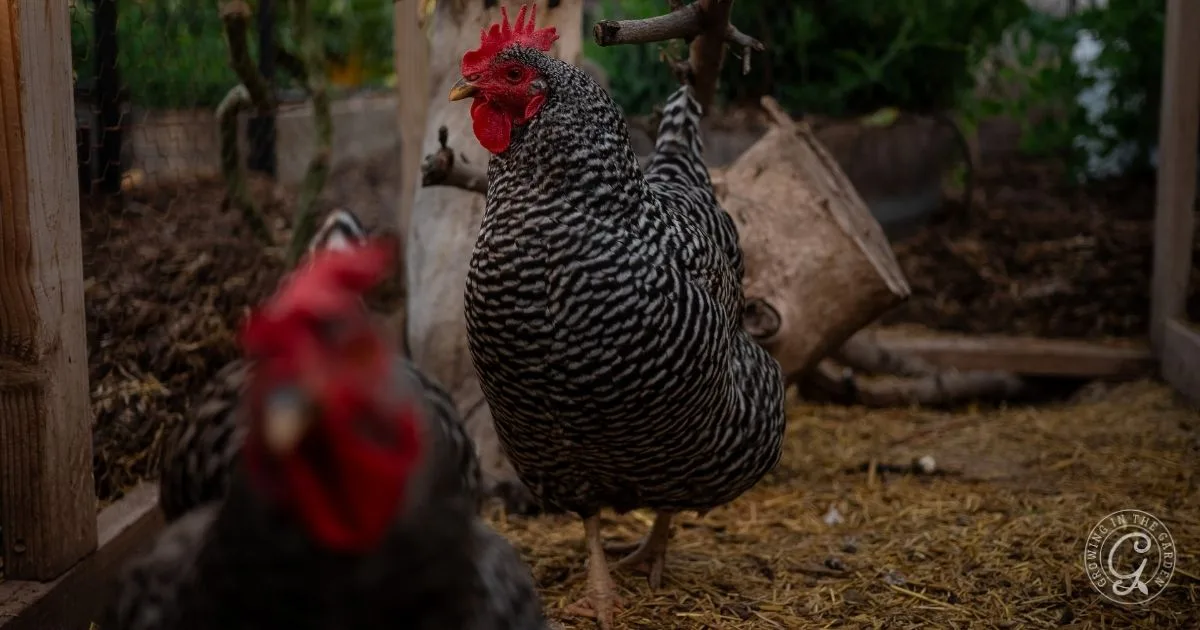
Healthy chickens start with proper nutrition and fresh water.
Feed by Life Stage
- Chicks (0–12 weeks): Chick starter feed
- Growers (12–20 weeks): Layer crumble
- Adults (after laying begins): Pellet layer feed, less waste, and easier for chickens to find if spilled
Calcium and Grit
Most layer feeds contain enough calcium, but keep a small dish of oyster shell or crushed limestone available.
Chickens instinctively regulate their calcium intake; they’ll take what they need when they need it.
Treats: The Good and the Bad
- Safe: Vegetable scraps, mealworms, scratch grains (in moderation)
- Avoid: Avocado, chocolate, onions, salty or greasy foods
How to Spot a Healthy Chicken
Checklist:
- Bright eyes and shiny feathers
- Red combs and wattles
- Active, curious behavior
Pale combs, droopy wings, or lethargy mean it’s time for a health check.
Consistency is key: regular feeding, clean water, and observation keep small problems from becoming big ones.
4. Eggs and Expectations
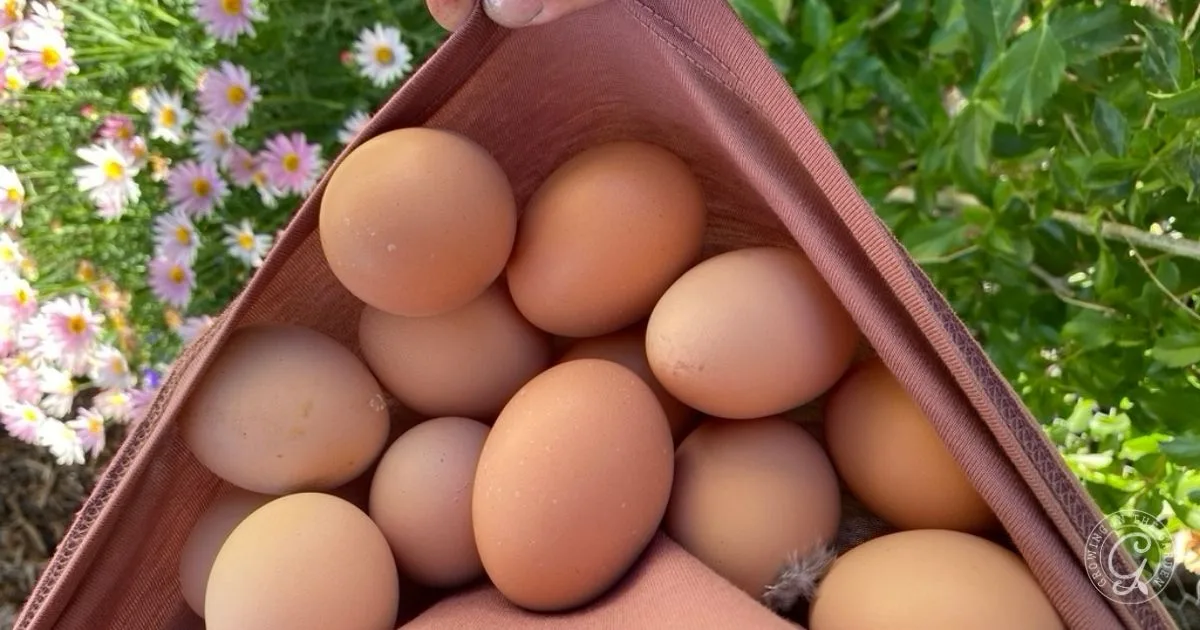
Collect eggs daily. Fresh eggs are the ultimate reward for chicken keepers, but knowing what to expect helps avoid frustration.
Most hens start laying around 5–6 months old, depending on breed and daylight hours. Egg production slows in extreme heat or short winter days. Chickens need about 14 hours of light daily for consistent laying. Supplemental lighting can help during the shortest days of the year.
“Good feed, clean water, and a calm, secure environment are the best egg-laying motivators.”
If eggs suddenly appear thin-shelled or soft, boost calcium and reduce stress. Occasional soft shells are normal; frequent ones signal an imbalance.
Common reasons hens stop laying:
- Heat stress or lack of light
- Poor nutrition or low calcium
- Stress from predators or flock changes
- Broodiness or age
5. Integrating Chickens with Your Home and Garden
Chickens bring life and character to a backyard, but they also come with quirks.
Noise, Mess, and Smell
Hens are generally quiet; roosters are the noisy ones. With good bedding, ventilation, and regular cleaning, odor is minimal and easy to manage.
Kid-Friendly Chickens
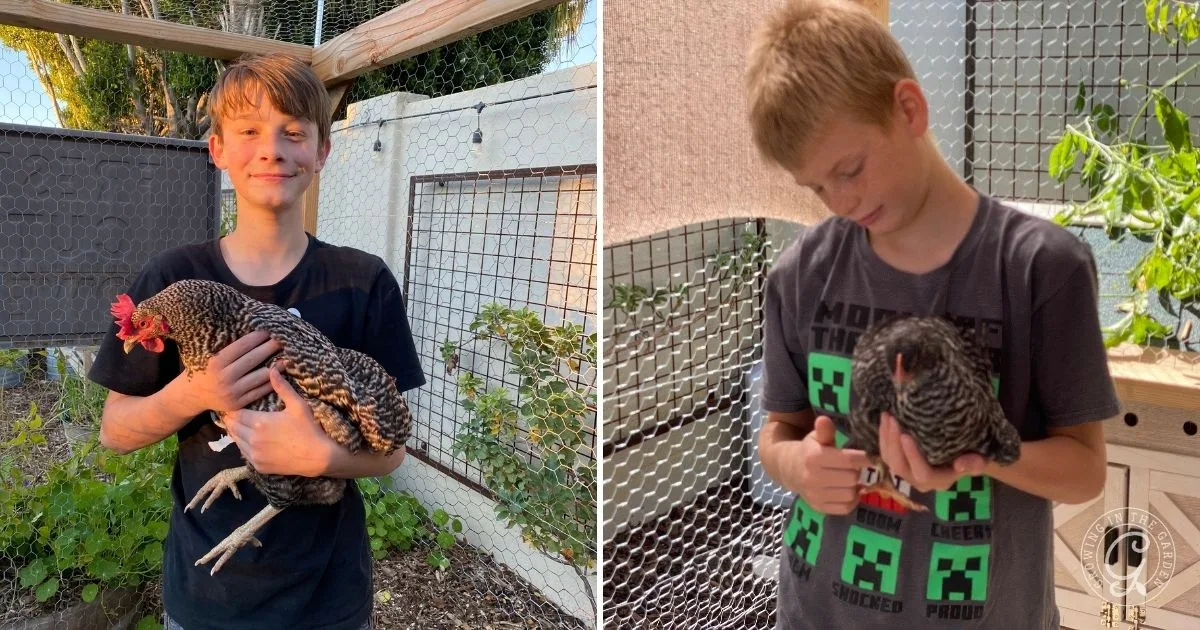
Black Australorps are especially gentle and perfect for families. “They’re calm, curious, and love attention,” Tiffiny says. Chickens are also surprisingly smart—they can recognize up to 100 human faces and can even learn their names! When you first bring them home, give each chicken a name and use it often. Offer your hand to them in the brooder, and as they get older (4 weeks and up), the more you handle them, the friendlier they’ll become. In general, supervise interactions and teach kids to move slowly and offer treats by hand.
Supervised handling + treats = friendly hens for life.
Adding to the Flock
When introducing new chickens, quarantine them for at least two weeks. Start introductions gradually with a see-but-don’t-touch divider. Merge flocks slowly to prevent bullying or injury.
Conclusion
Raising backyard chickens is simple, fun, and endlessly rewarding. With the right setup, feed, and care, your flock will provide years of fresh eggs, pest control, and entertainment.
If you’re in Arizona, stop by Inspire Farms in Mesa for local expertise, chicks, feed, and supplies. Their friendly team can help you find exactly what you—and your future flock—need.
About the Expert
Tiffiny is the owner of Inspire Farms, which is a community-focused urban farm and feed store located in the heart of downtown Mesa, Arizona. They specialize in helping new and experienced chicken owners succeed with healthy feed, quality supplies, and hands-on advice. From chicks and coops to local honey, Inspire Farms connects people with the joy of small-scale farming and backyard living.
Learn more or plan a visit: inspirefarms.com





Leave a comment on Arizona Backyard Chickens: A Guide for Beginners