
Cool-Season Hardy Annual Flowers: Plan Ahead For Spring Blooms
Planting seeds indoors during the summer is the key to having a garden full of beautiful blooms in the spring. While it may seem early to start thinking about next spring, this is the perfect time to begin planting cool-season hardy annuals. In this blog post, I’ll discuss cool-season hardy annuals, how to grow them, and recommendations for which flowers to select.
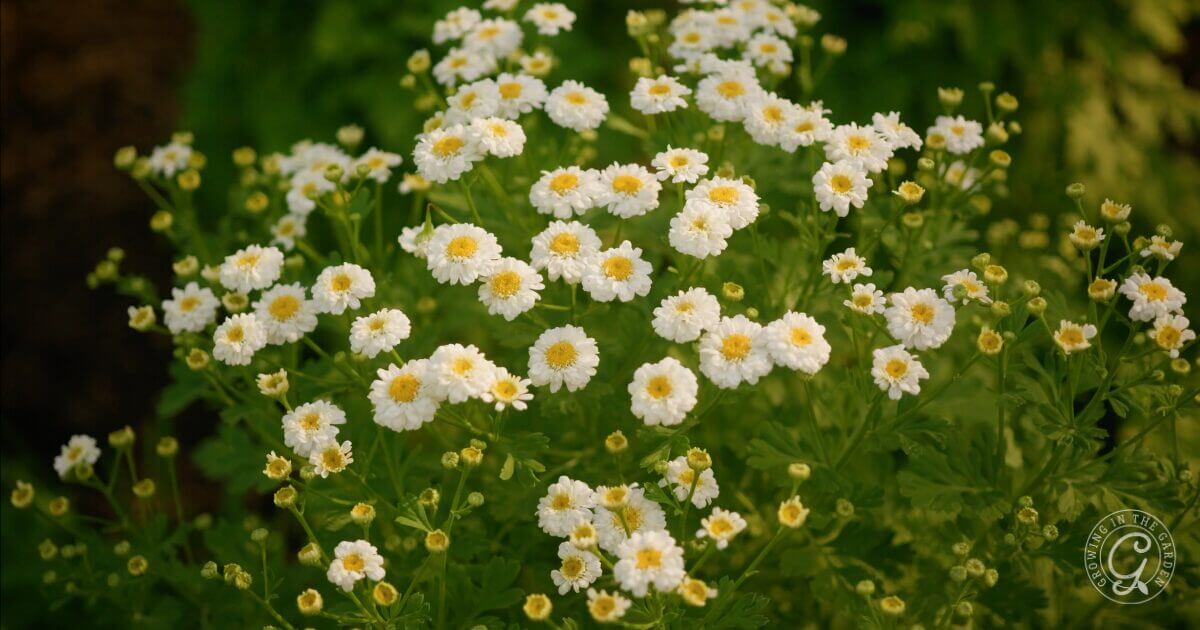
Key Takeaways: Cool-Season Hardy Annual Flowers
- Planting cool-season hardy annuals indoors during summer ensures vibrant blooms in spring.
- These flowers develop strong roots in winter, resulting in better pest resistance and longer stems.
- To grow, choose suitable varieties for your climate and start seeds about 8 weeks before planting outside.
- Consider planting them 6-8 weeks before the first frost for best results, either in fall or spring.
- Ensure good soil drainage and provide water as needed to support growth and maximize blooming.
What We’ll Cover:
- What are cool-season hardy annuals?
- Why start seeds for cool-season hardy annuals?
- How to grow cool-season hardy annual flowers
- 1. Choose the correct varieties for your climate
- 2. Plan ahead and start seeds indoors
- 3. Plant cool-season annual flowers at the right time
- 4. Plant in a good location
- Additional cool-season hardy annual growing resources:

What are cool-season hardy annuals?
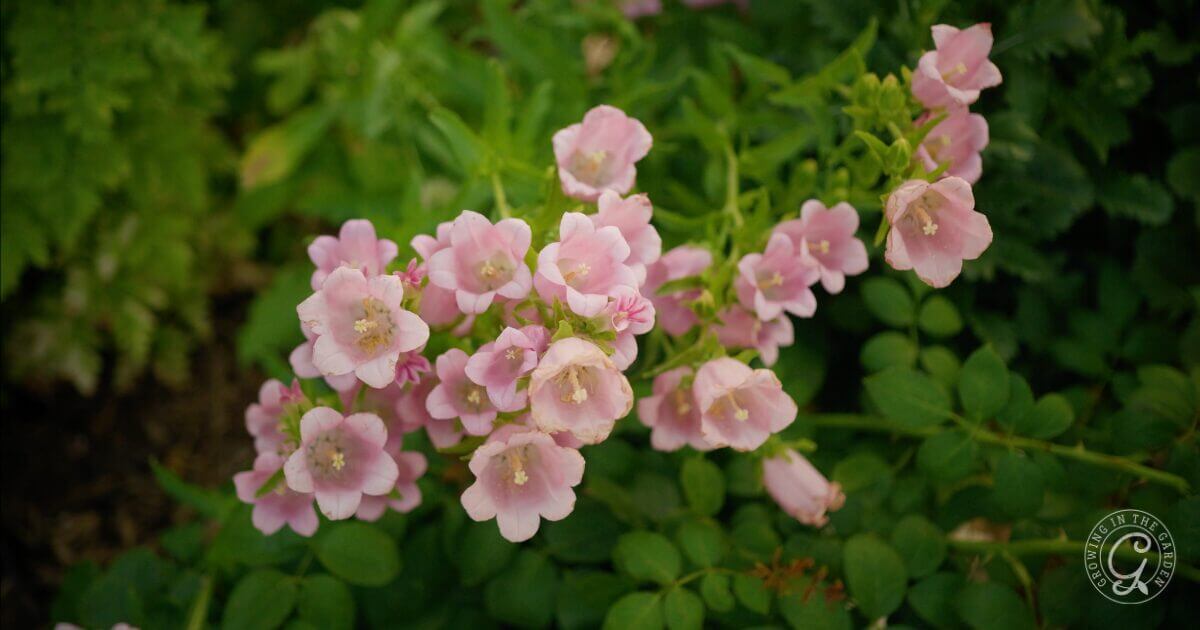
Cool-season hardy annuals are a group of flowers that produce beautiful blooms and include some of my favorite cut flowers. You need to plan ahead and start seeds in the summer. The seedlings are planted outside in the fall and grow strong roots through winter. They begin blooming the following spring, and often, the blooms last into summer.
Looking for clarity on gardening terms like “annual,” “germinate,” or “seedling”? Check out my complete Gardening Glossary: Practical Terms and Definitions.
Why start seeds for cool-season hardy annuals?
Planting hardy annuals during cooler weather fosters strong root systems before they bloom, resulting in more blossoms and longer stems. These robust plants can better withstand heat, pests, and challenging conditions.
Starting from seeds also provides a wider variety of blooms that are often unavailable in nurseries, which typically sell them in spring, allowing insufficient time for establishment.
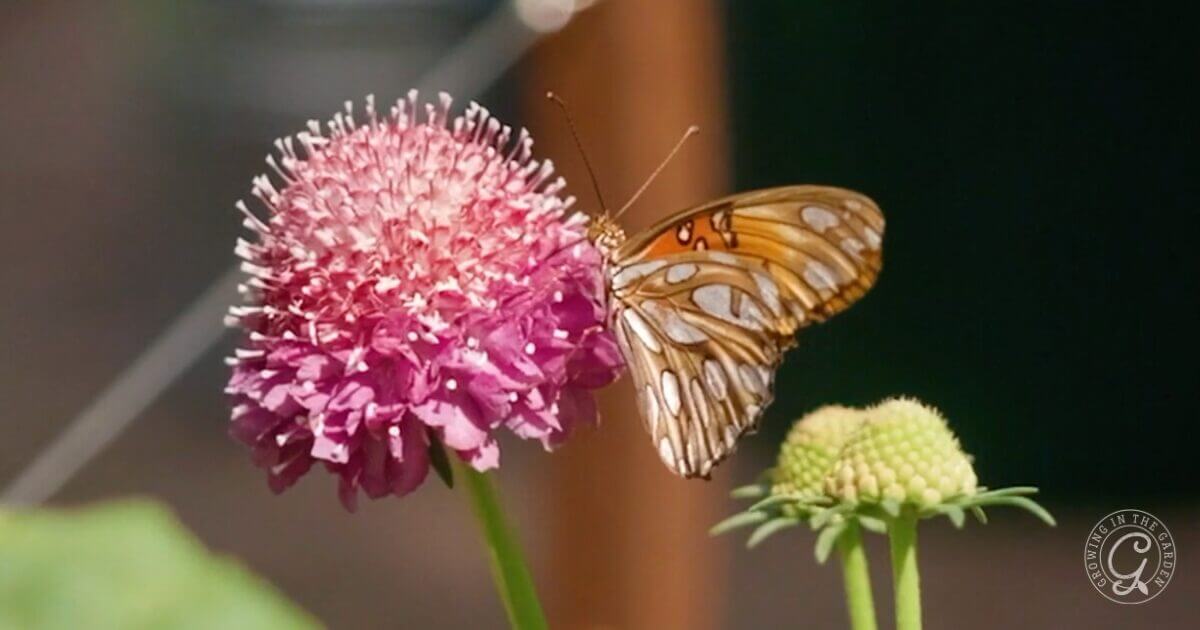
Early spring blooming offers earlier nectar and pollen sources, supporting beneficial insects and enhancing your garden throughout the season.
How to grow cool-season hardy annual flowers
1. Choose the correct varieties for your climate
Variety selection is crucial if you want them to bloom the first year. Some of these plants are annuals, but others are biennials or perennials that grow easily in cooler climates. Choose first-year blooming types when possible.
| Cool-Season Annual Flower | Varieties to try | Cold Hardiness |
|---|---|---|
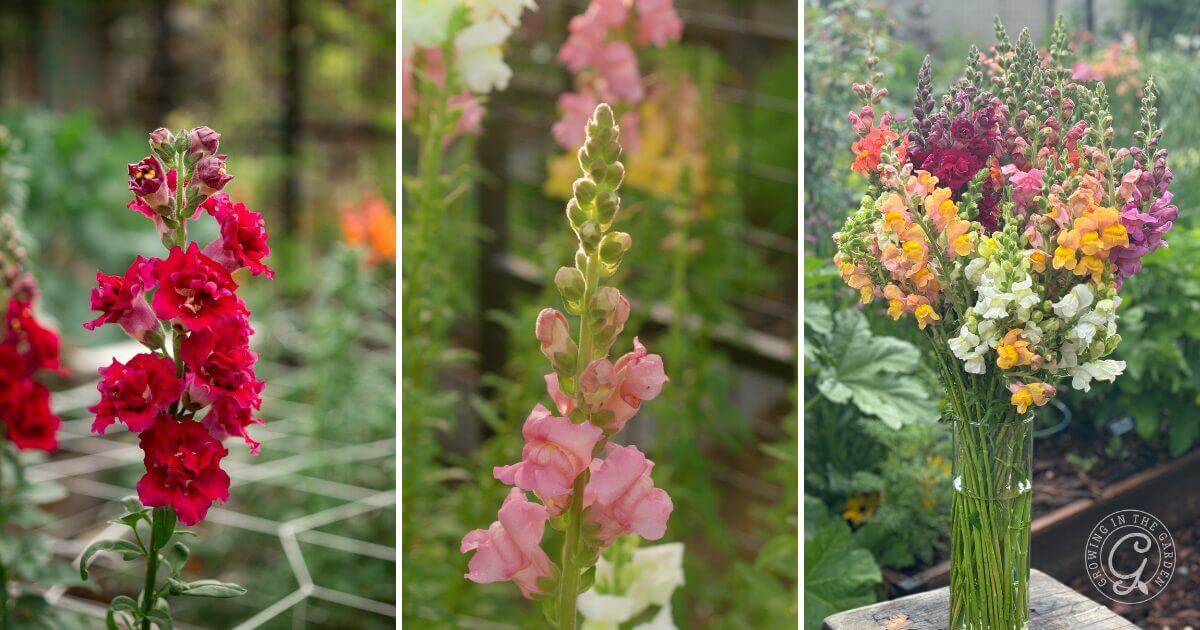
| Snapdragon | Madame Butterfly, Potomac, Chantilly | 0°F (-18°C) |
| Scabiosa | Black Knight, Fire King, Triple Berry | 10°F (-12°C) |
| Foxglove | (Choose types that bloom the first year) Camelot, Dalmatian | -10°F (-23°C) |
| Yarrow | Summer Berries, Summer Pastels | -20°F (-29°C) |
| Statice | Pastel Mix, Russian Statice, Pink Pokers | 20°F (-7°C) |
| Shasta Daisy | -20°F (-29°C) | |
| Campanula | Champion | -10°F (-23°C) |
| Verbena | Purple-top Verbena, Tall Verbena, Vanity Verbena (dwarf variety) | 20°F (-6°C) |
| Rudbeckia | Cherry Brandy, Cherokee Sunset, Chim Chimney | -20°F (-29°C) |
| Strawflower | Tall Double Mix, Rainbow Bouquet (dwarf variety) | 10°F (-12°C) |
| Feverfew | Virgo, Tetra White | -10°F (-23°C) |
| Poppy | Peony, Shirley | 0°F (-18°C) |
Cool-season annual flowers — click on the plant name for additional growing information about each flower.
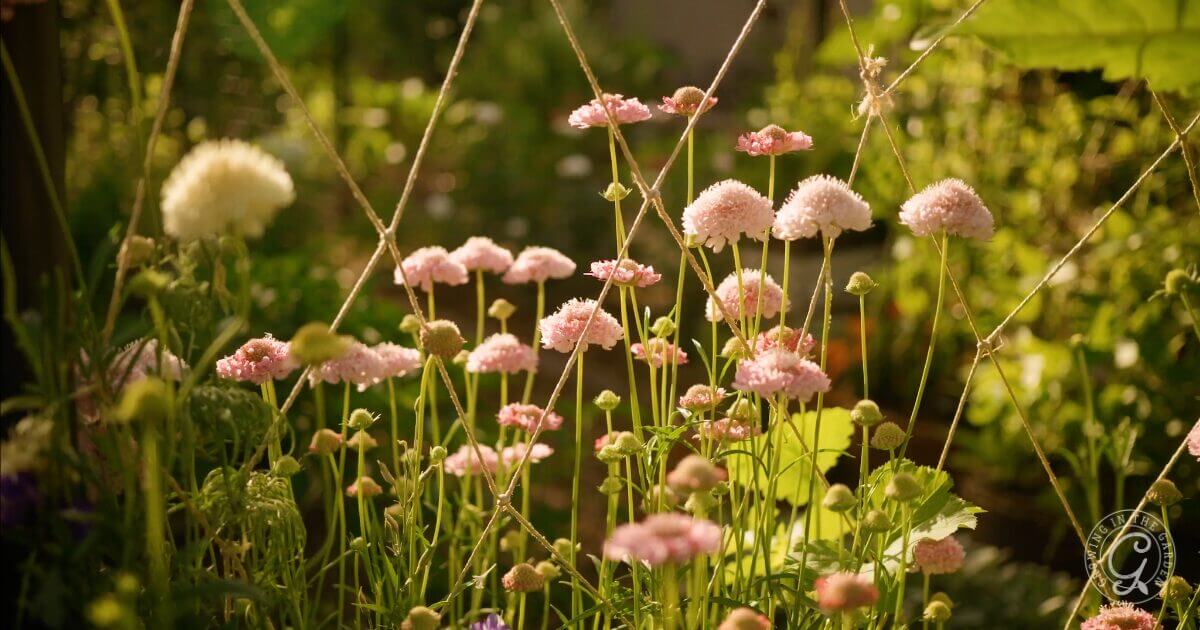
Need help selecting what to grow? Explore the Ultimate Plant Index for inspiration and growing tips, all in one place.
2. Plan ahead and start seeds indoors
Many of these plants do best started indoors, so you’ll need to start them inside. Pay attention to the germination temperatures listed on the seed packet.
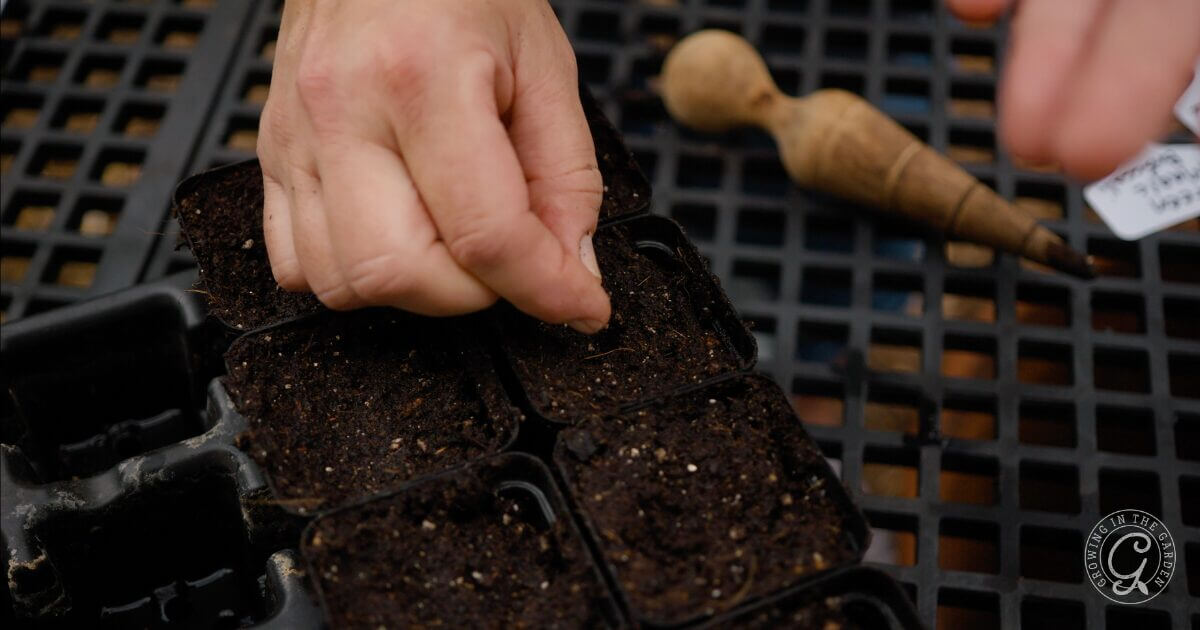
When starting seeds indoors, you’ll need supplies like a grow light (a bright window isn’t enough). For specifics about how to start seeds indoors, check this blog post. Here’s a list of my favorite seed-starting supplies.
Many of these crops need light to germinate. Check the seed packet to be sure. If that’s the case, gently press the seed onto the top of the soil and cover lightly with vermiculite. Then spray the vermiculite with water, use a humidity dome, and put it under grow lights. Once the seedlings sprout, remove the humidity dome. When seedlings are 3-5 inches (7-12cm) tall, they are ready to plant outside. This is my favorite humidity dome.
3. Plant cool-season annual flowers at the right time
Use the temperature guidelines for each flower to ensure they survive your winter’s average coldest temperature. If they survive your lowest winter temperature, then go ahead and plant them in the fall. If not, plant them in the spring.
The fall planting date to plant the seedlings outside is 6-8 weeks before your first fall frost. Look up your first fall frost date here. For example, my first fall frost date is December 2nd, so my planting window for most of these flowers is from mid-September through October.
If it gets too cold where you live and you need to plant in the spring, plant 6-8 weeks before your last spring frost. In any climate, If you miss the fall planting date or want to add more plants, you can also plant during this spring window.
Start seeds indoors about 8 weeks before you plant outside. Count back another 8 weeks from your first frost date for your indoor seed starting date. I start seeds for most of these crops in July or August. Check my planting resources or find a planting calendar for your area for exact dates.
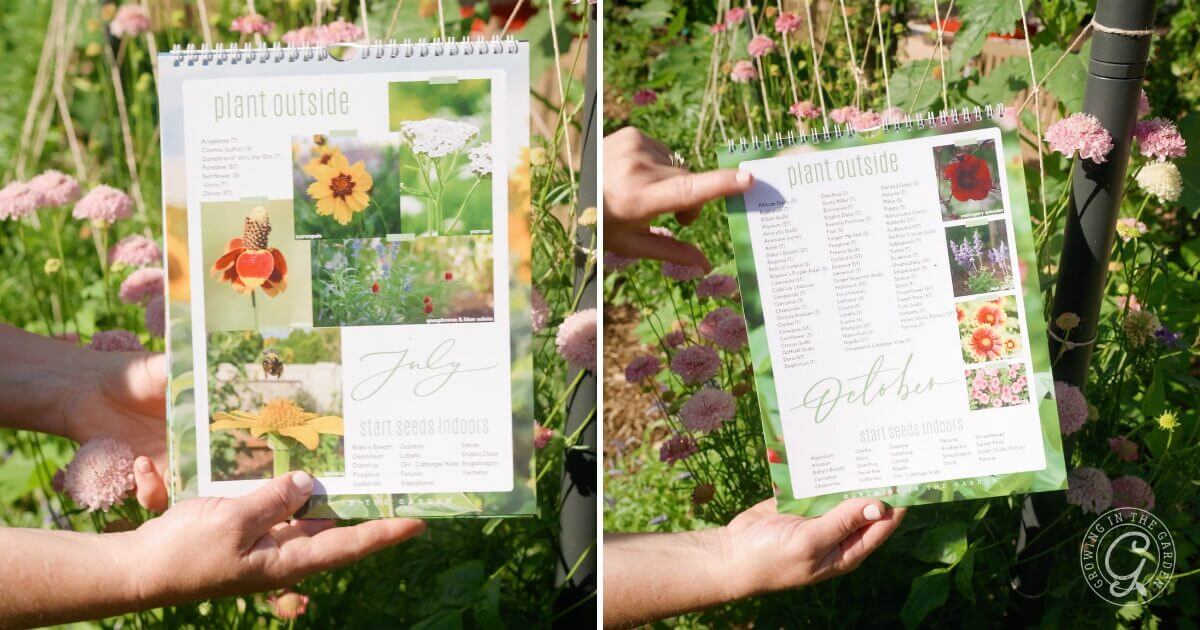
Some crops have a larger planting window and can be planted through early spring. But remember, you’ll have more robust roots, stronger plants, and longer stems if you plant them earlier in the planting window.
4. Plant in a good location
Choose an area with good soil that is well-draining. Once you plant, keep the seedlings watered until they get established. As temperatures cool, their water needs will be reduced, and growth will slow. Mulch the area to keep it weed-free and protect the soil. As temperatures begin to warm in the spring, they will take off. Get ready to enjoy all of the beautiful blooms.
Many of these flowers benefit from support as they grow. Get details about how to use and install trellis netting for cut flowers in this guide.
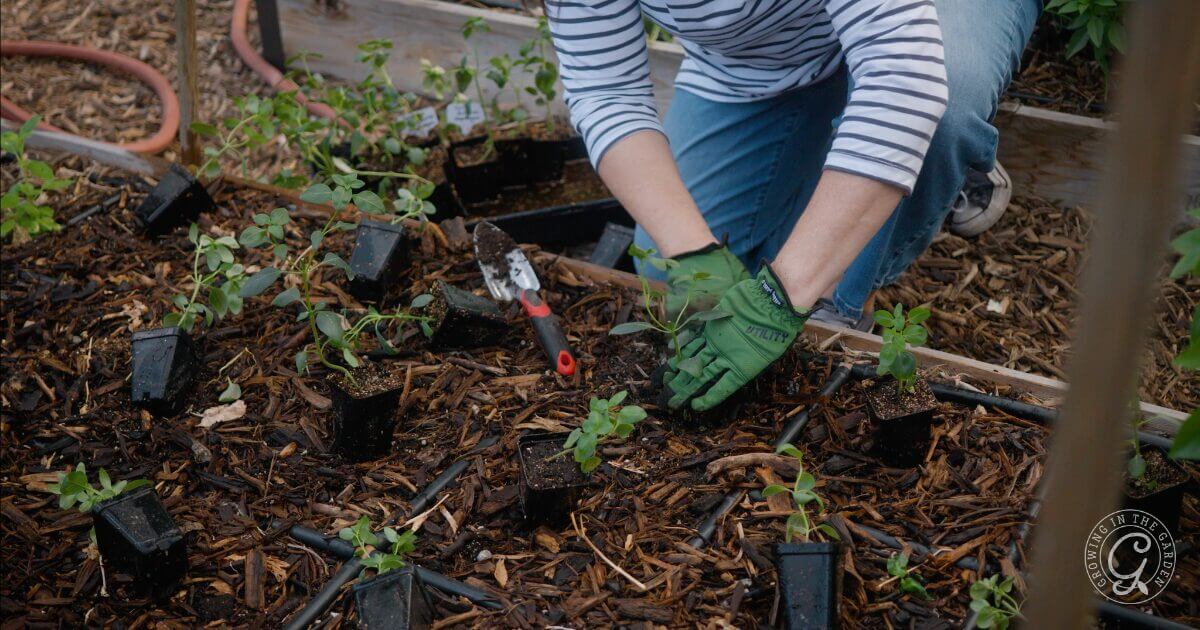
Even if it’s too hot to garden outside this summer, you can still enjoy starting these seeds and dream of all the beautiful flowers!
Additional cool-season hardy annual growing resources:
- The Cut Flower Handbook: Select, Plant, Grow, and Harvest Gorgeous Blooms by Lisa Mason Ziegler
- Cool Flowers: How to Grow and Enjoy Long-Blooming Hardy Annual Flowers Using Cool Weather Techniques by Lisa Mason Ziegler
- 10 Cool-Season Flowers That Love Mild Winters
- 10 Easist Cool Season Flowers to Grow

Leave a comment on Cool-Season Hardy Annual Flowers: Plan Ahead For Spring Blooms