
Garden Hacks: 9 Simple Tips for the Garden
It’s important to make the most of your time in the garden. Not every trick that gets passed around actually earns a spot in a real garden. These are the ones that have earned a permanent place in mine, plus a couple I’ve dropped along the way and why.
Key Takeaways: Garden Hacks
- Avoid adding eggshells to alkaline desert soil; instead, feed them to worms for grit.
- You can regrow celery from kitchen scraps; just bury the base in compost-rich soil.
- Regularly prune basil to keep it full and productive; cut just above leaf nodes.
- Loosen roots of nursery flowers before planting and wait to pinch blooms until they are established.
- Use burlap to keep carrot seeds moist and tulle to protect newly planted seeds from birds.
What We’ll Cover:
- Why I Stopped Adding Eggshells to My Garden
- Can You Really Grow Celery From Kitchen Scraps?
- What’s the Best Way to Prune Basil for a Bigger Harvest?
- What Should You Do Before Planting Nursery Flowers?
- How Do Coffee Grounds Help the Garden?
- How Do You Keep Carrot Seeds From Drying Out Before They Sprout?
- What’s the Best Way to Get Rid of Pill Bugs Organically?
- What I Got Wrong About Epsom Salt in The Garden
- How Do You Protect Newly Planted Seeds From Birds?
- Garden Hacks FAQ’s
Why I Stopped Adding Eggshells to My Garden
When I first started gardening, I ground up eggshells in a blender with water and poured the slurry into my garden beds. The idea was to add calcium and organic matter, and to skip the months it takes whole shells to break down in a compost pile. I don’t do this anymore.
Low desert soil in Mesa isn’t short on calcium. It’s the opposite problem. Our soil sits on caliche, a hard layer of calcium carbonate that forms because low rainfall pulls dissolved minerals up through the soil instead of flushing them out. The University of Arizona Cooperative Extension confirms that desert soils are naturally high in calcium carbonate and alkaline because of it. Adding more calcium to soil that already has plenty doesn’t help your plants, and it can push your pH even higher.
If you garden somewhere with acidic or calcium-poor soil, this might still be worth doing, but check with a soil test first.
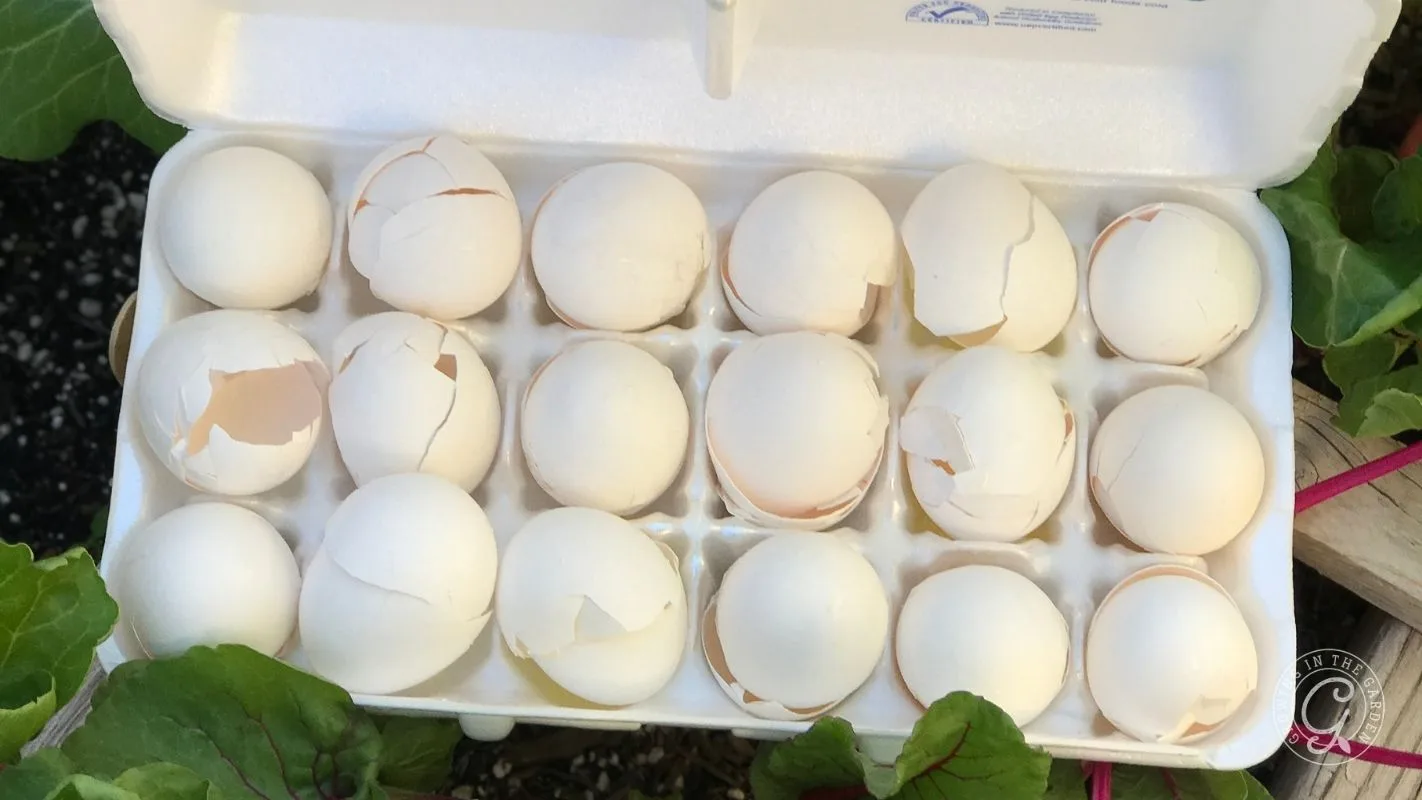
In my garden, I skip the blender version, but the eggshells still have a job. I crush them and feed them to the worms in my in-bed vermicomposting bins instead of tossing them in a regular compost pile. Worms use crushed shell as grit to help digest their food, and the small amount that ends up in the finished castings isn’t enough to move the needle on soil calcium either way. If you don’t have a worm bin, crushed shells scattered around the base of a plant can also help deter slugs and snails, a better use here than trying to add calcium underground.
Can You Really Grow Celery From Kitchen Scraps?
Yes, but it’s not how I mainly grow celery. My go-to method is starting from seed or transplants, which I cover in my celery growing guide. Regrowing from a cut-off base is what I use for succession planting, or as a backup when I didn’t get seeds started in time or couldn’t find transplants at the nursery.
- Chop the stalks off a bunch of celery, leaving the base intact.
- Bury the base 2 to 3 inches deep in compost-rich soil.
- New sprouts show up within a few days.
- Water and fertilize regularly.
- Harvest outer stalks as needed.
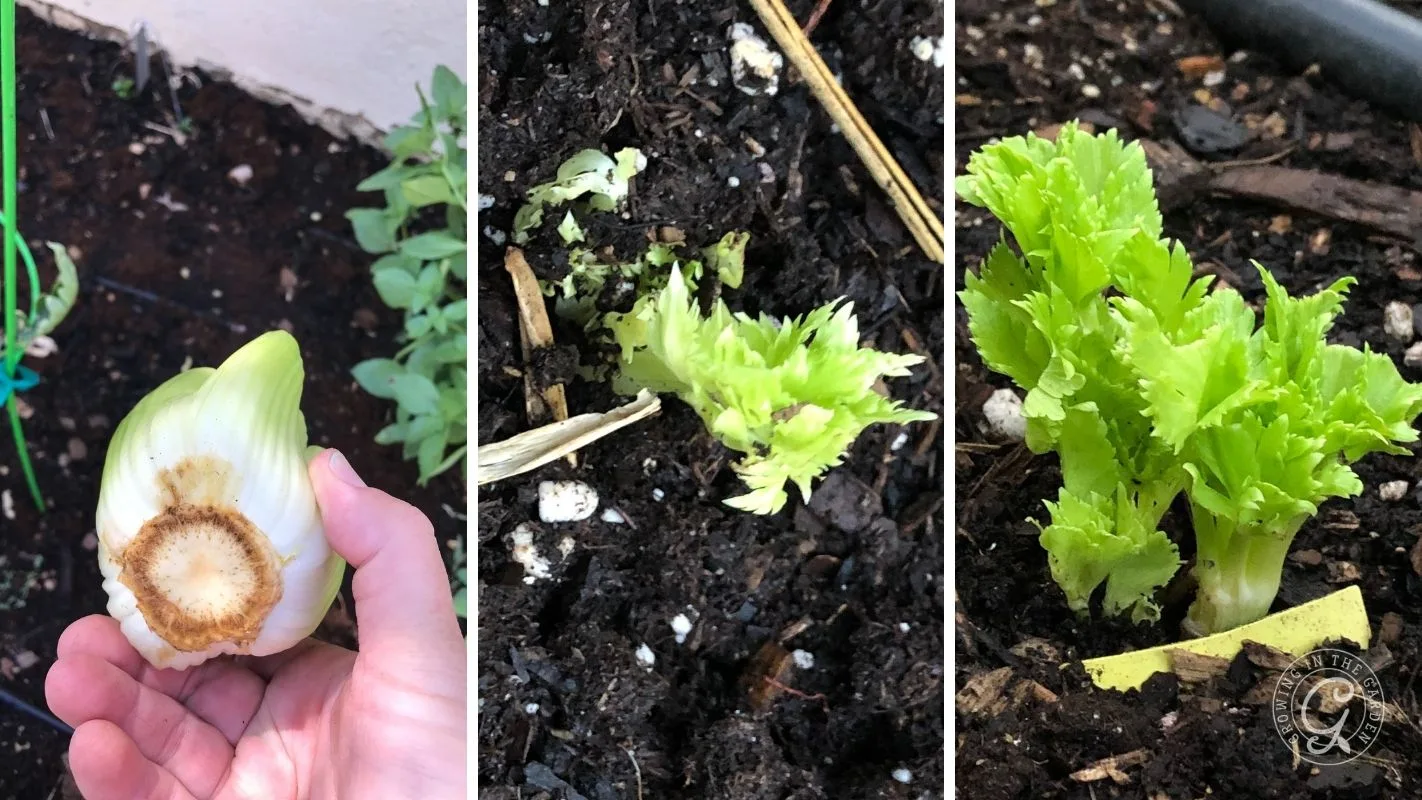
It’s a good trick to have in your back pocket. Just don’t expect the size or yield of a plant grown from seed for a full season.
What’s the Best Way to Prune Basil for a Bigger Harvest?
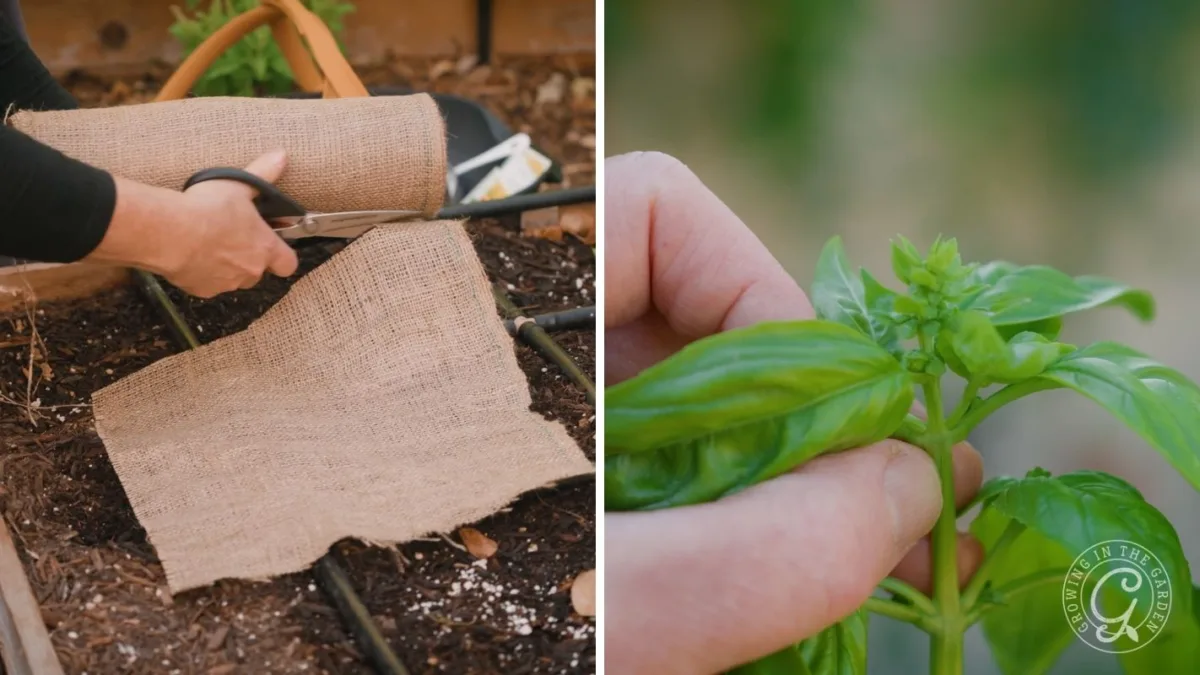
Regular pruning keeps basil full and productive instead of leggy and quick to bolt. I prune mine all season. When I direct seed basil, I use the same burlap trick I use for carrot seeds (below), since basil seed is small and dries out just as fast.
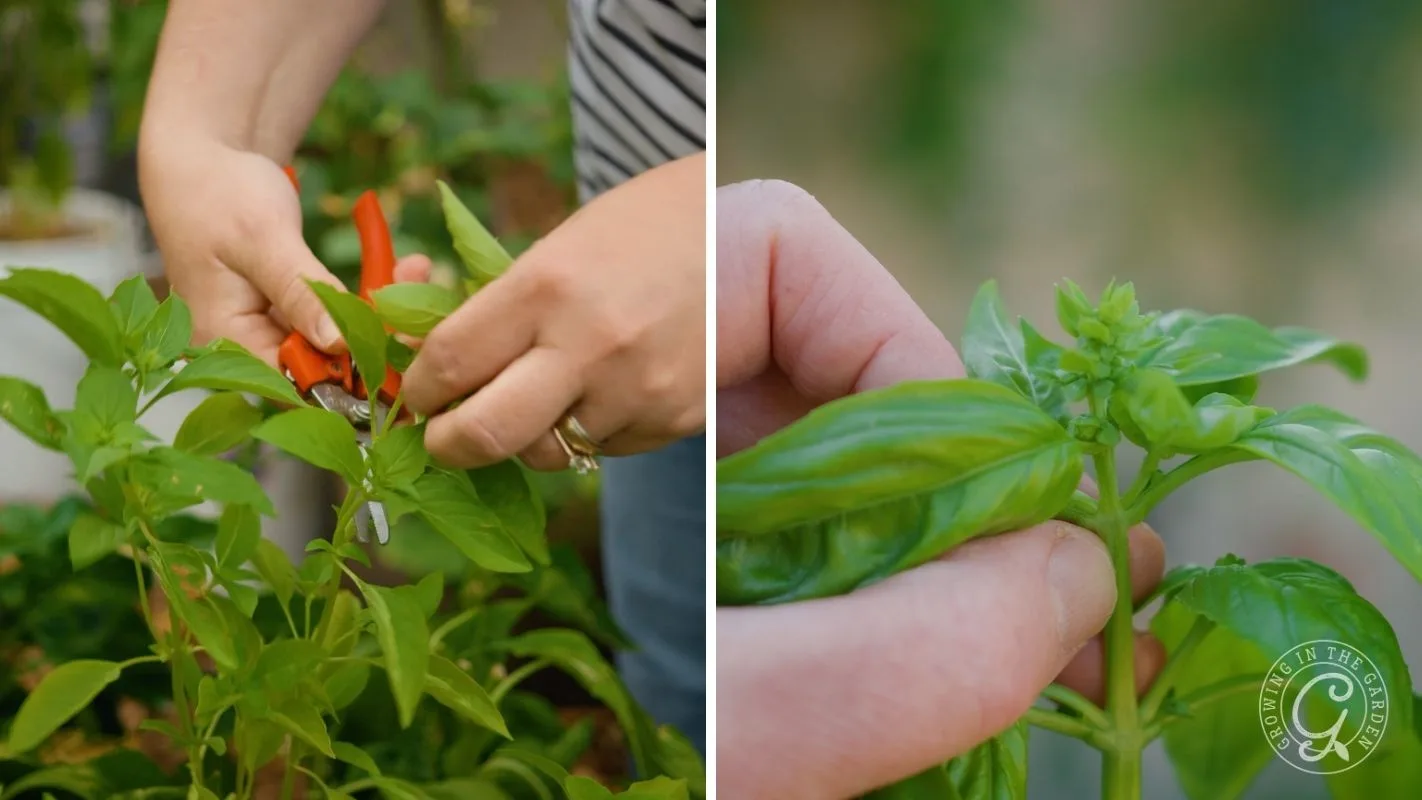
Once a basil plant is about 6 inches tall, cut just above a node, the spot where two leaves grow out of the stem. The plant branches out from there instead of just getting taller. Trim every couple of weeks and pinch off flower buds as soon as they show up. My basil growing guide has more on timing and care.
What Should You Do Before Planting Nursery Flowers?
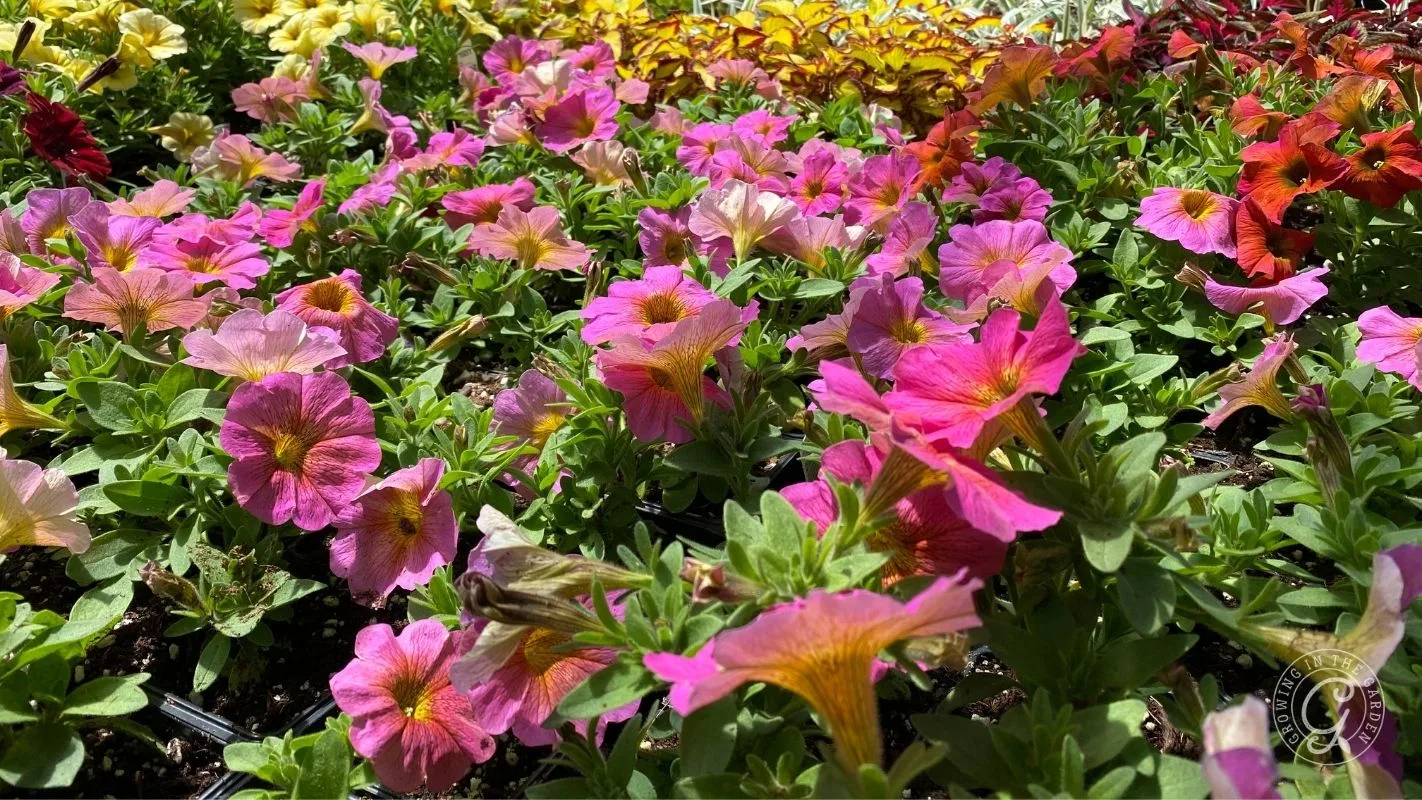
I used to tell people to pinch off every bloom the moment they got flowers home from the nursery, then loosen the roots before planting. I still loosen the roots. Roots that have been circling in a small pot need encouragement to grow out into garden soil instead of staying balled up, and a plant with wider roots is healthier and easier to keep watered.
What I’ve changed is the timing on the blooms. Now I plant first and wait until the plant is established, usually a week or two, before I cut it back. An established plant can support new growth better than one that just got transplanted and pinched the same day. Once it’s settled in, I prune it the same way I would anything else I want fuller and more productive. My guide to pinching flowers walks through exactly how and when to do it.
How Do Coffee Grounds Help the Garden?
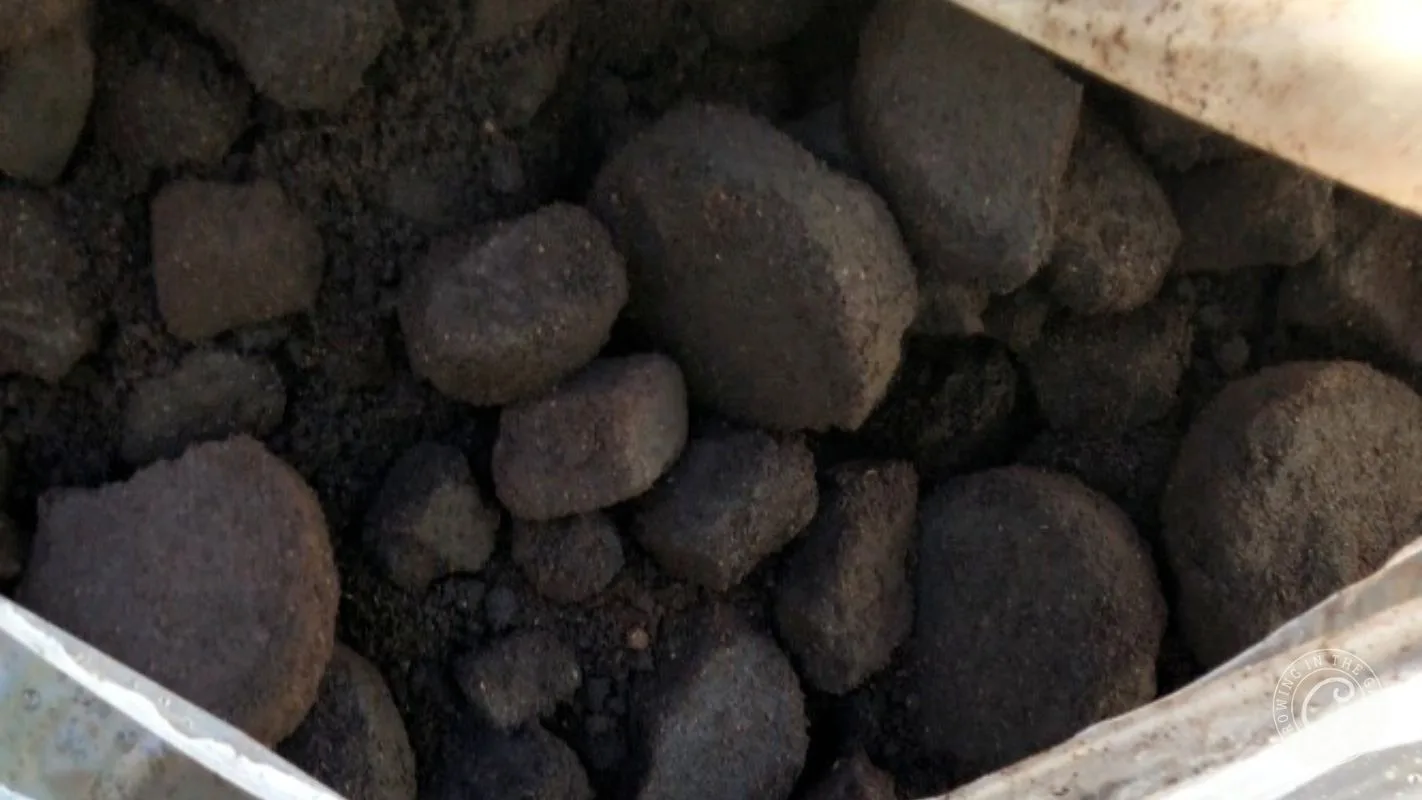
Coffee grounds count as green matter, and they give a compost pile a real boost of nitrogen. I add mine straight to my compost bin. You can also work coffee grounds into a bed a week or two before planting, though I mostly stick to composting mine since it’s simpler to keep consistent.
How Do You Keep Carrot Seeds From Drying Out Before They Sprout?
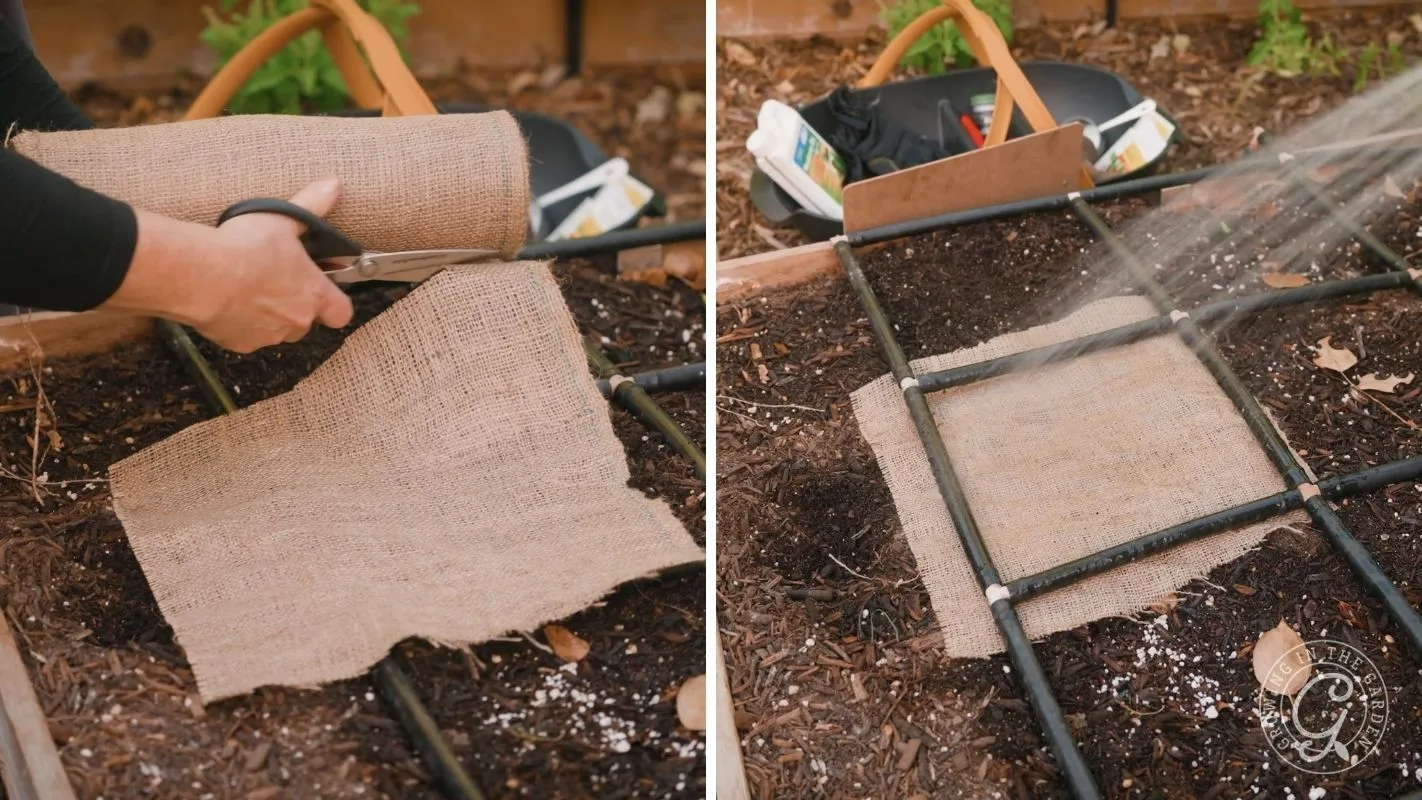
Carrot seeds are tiny, need to sit close to the surface, and dry out fast. Dried-out seeds don’t sprout.
I lay burlap over the bed after planting and leave it on until the seeds germinate. It holds moisture in the soil so the seeds don’t dry out between waterings. It also does something I didn’t expect when I started doing it: it marks exactly where I planted, so I know where to go back and hand water more often until everything comes up. I use the same trick when I direct seed basil.
What’s the Best Way to Get Rid of Pill Bugs Organically?
Pill bugs, potato bugs, rolly pollies, whatever you call them, can chew through young seedlings overnight.
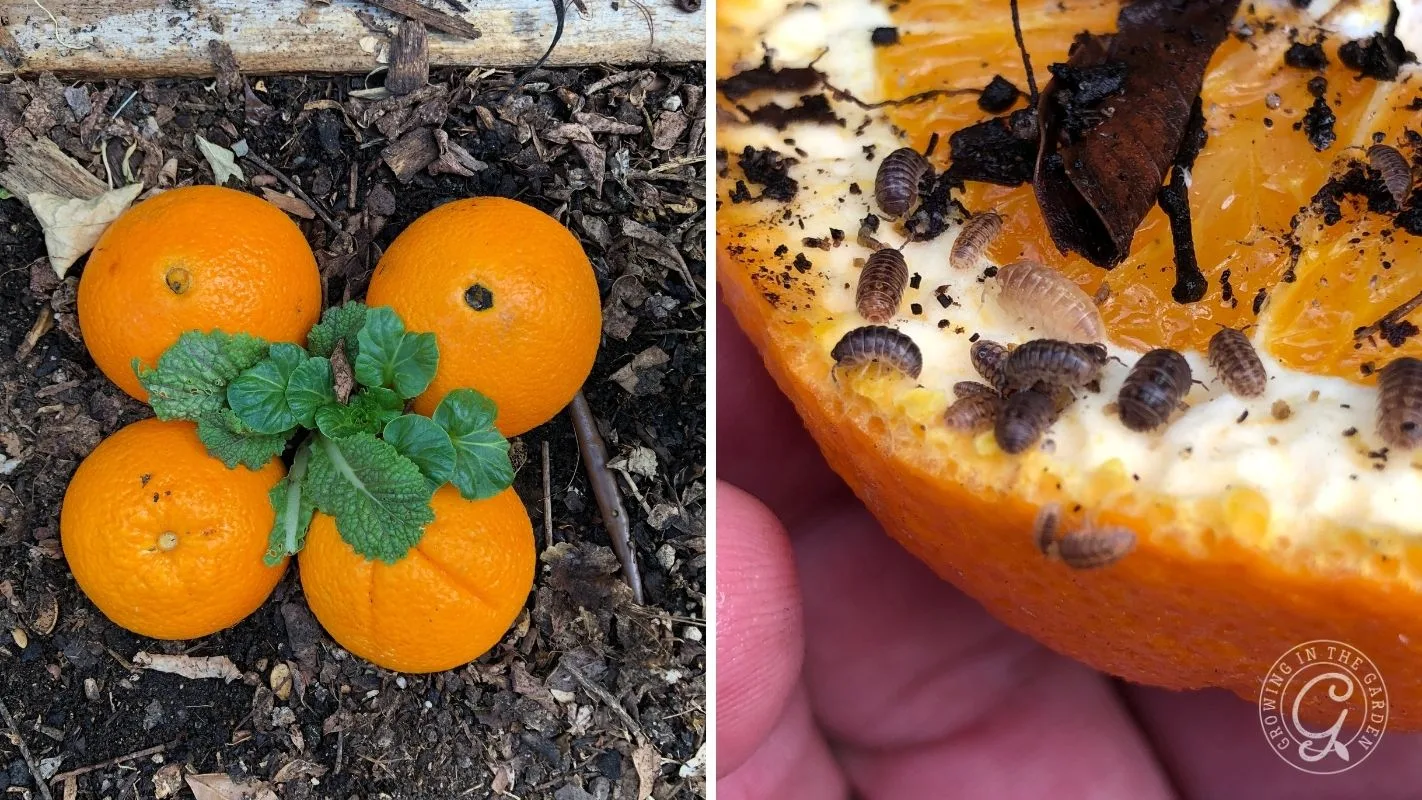
My go-to trick is setting orange halves cut side down in the garden in the evening. Check underneath them the next morning, and the soil is usually teeming with pill bugs. Scoop them out and toss them. Do this consistently, and you’ll see fewer pill bugs over time, without spraying anything.
If pill bugs have been an issue, I sprinkle a little slug and snail bait right when I plant seeds, especially beans and melons. A light application at planting time prevents damage. My full post on protecting seedlings from pill bugs covers both methods in more detail.
What I Got Wrong About Epsom Salt in The Garden
For years, this post recommended spraying tomatoes, peppers, and roses with an Epsom salt solution to strengthen plants and boost nitrogen use. A reader called this out, and she’s right. That recommendation isn’t backed by research, so I’m correcting it here.
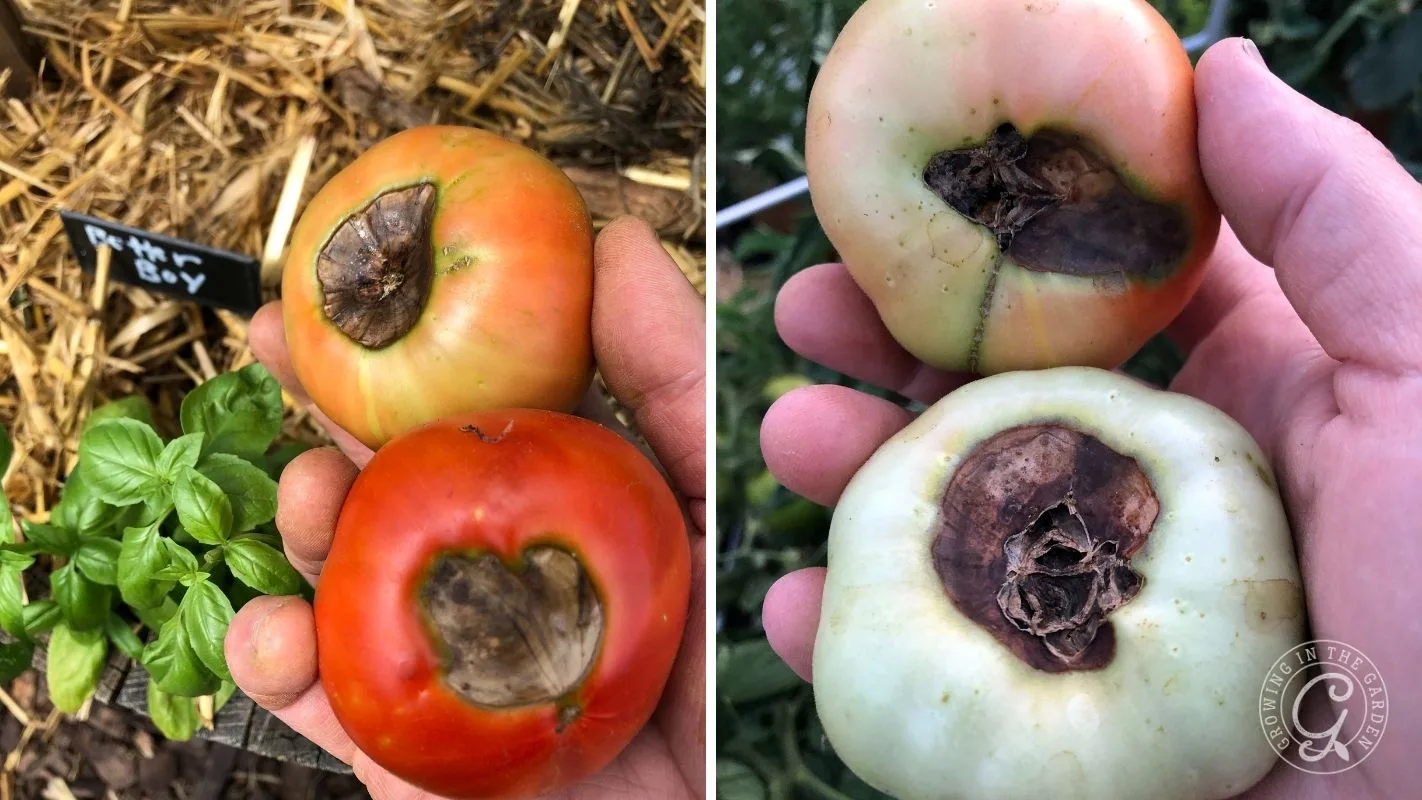
Epsom salt is magnesium sulfate. Most garden soil already has enough magnesium, especially if you add compost regularly. Spraying or watering it in when your soil doesn’t need it won’t strengthen cell walls or help nitrogen uptake. It can work against you: magnesium and calcium compete for uptake in the plant, so extra magnesium can make it harder for the plant to absorb calcium. That matters most with tomatoes, since low calcium is what causes blossom-end rot, not low magnesium.
The only time Epsom salt makes sense is if a soil test shows an actual magnesium deficiency, and that’s uncommon in most home gardens. If you’re dealing with blossom-end rot, consistent watering is the fix. Calcium uptake depends on water uptake, so a mulched bed that doesn’t dry out and swing back and forth does more for your tomatoes than any spray bottle.
How Do You Protect Newly Planted Seeds From Birds?
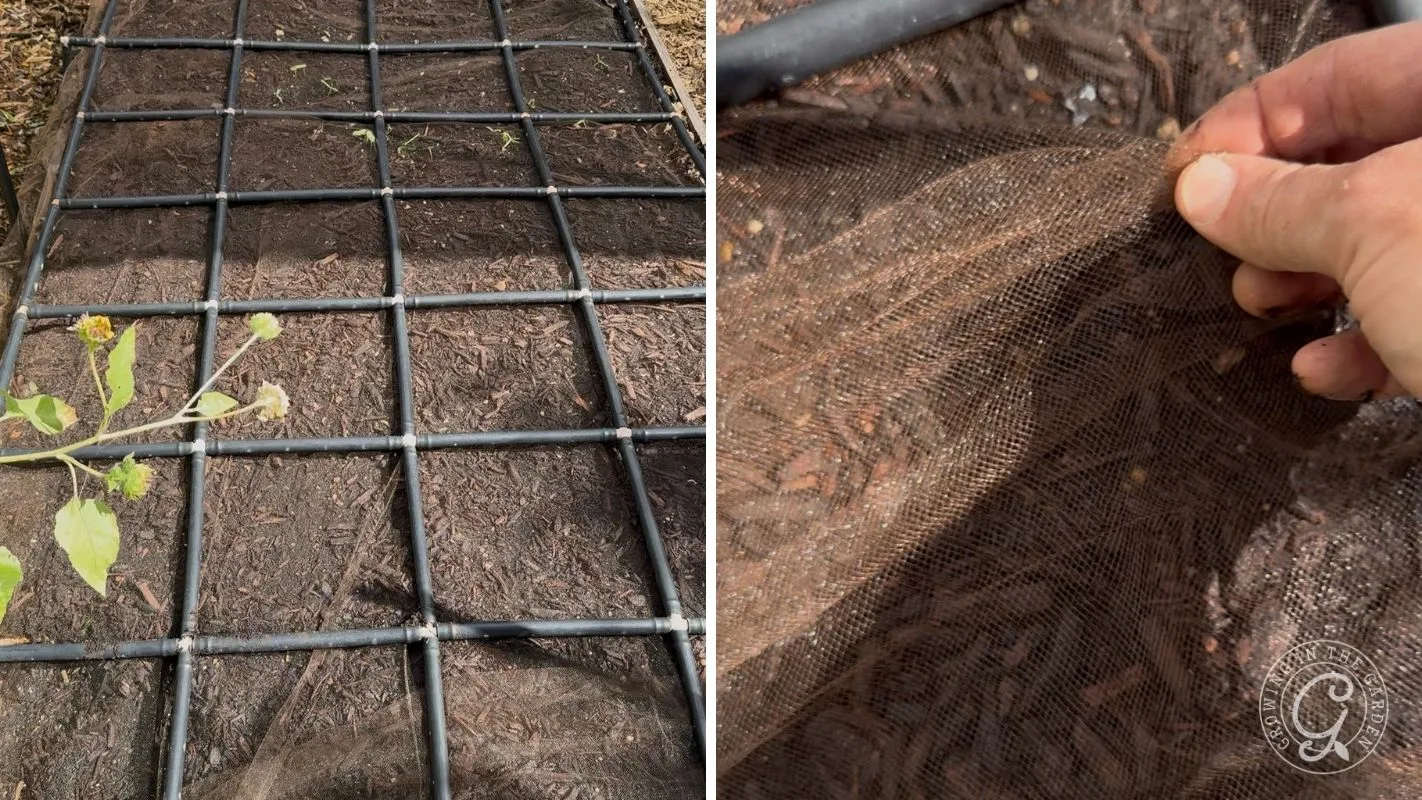
One of my favorite tricks after direct seeding a bed is covering it with tulle, the lightweight mesh fabric used for tutus and wedding decorations. Birds will dig up and eat seeds before they ever get a chance to germinate, and tulle keeps them out without blocking water or light.
I tuck the edges of the tulle underneath my Garden Grid watering system so it stays put without any extra anchoring. If I don’t have a grid on that bed, I use plant tags pushed into the soil to hold the edges down instead. Water goes right through it either way. Once seedlings are up and past the point where birds bother them, I pull the tulle off.
Garden Hacks FAQ’s
They can be, if your soil actually needs more calcium, which a soil test will tell you. In low desert Arizona soil, calcium usually isn’t the problem, since the soil already sits on a layer of calcium carbonate called caliche.
Only if a soil test shows an actual magnesium deficiency, which is rare. Spraying it on healthy plants doesn’t strengthen them, and extra magnesium can make it harder for plants to take up calcium, which is what actually causes blossom-end rot.
Cover the bed with burlap right after planting and leave it on until the seeds germinate. It holds moisture in place so the tiny seeds don’t dry out between waterings.
Yes. Bury the cut-off base 2 to 3 inches deep in compost-rich soil and keep it watered. New stalks grow from the center within a few days.
Cover the bed with tulle right after planting. It lets water and light through but keeps birds from digging up the seeds. Remove it once seedlings are established.
Just crumple those egg shells on top of the ground around your plants and the snails and slugs won’t attack! Nice tips and all good but make sure you don’t overdo the epsom salts solution. Sprinkle a bit of baking soda around your tomatoes for a sweeter tomato!
If you been saving your coffee grounds & noticed a little mold here & there can you still use it ? Every time I noticed a little bit I just spooned that part out, but the last time I just mixed it in by stirring it real good. We save our empty ice cream bowls (& lids) for coffee grounds etc. ( I have been saving all of our coffee grounds, egg shells – which I make egg tea with THEN dry & ground the shells into almost dust before using ).
Thank y’all in Advance!
A little mold is just fine, no problem to add it to your garden.
My grandmother used to add eggshells and coffee grounds to her plant and flower beds. She had the prettiest yard for miles around. Everything thrived.
Love hearing that. I have memories of gardening with my grandma too. Garden wisdom for sure.
Thank you for sharing! Are there plants that don’t love nitrogen/coffee grounds?
If you live in areas that have very acidic soil, you may not want to add coffee grounds. Where I live the soil and water are both very alkaline and the addition of coffee grounds helps with that.