
How and When to Use Liquid Organic Fertilizer
Using organic fertilizers can be an important part of a successful garden. Learning how and when to use liquid fertilizer helps plants grow well, especially in raised beds and containers.
However, the most important part of feeding your plants happens in the soil. As you build soil that holds water, drains well, and supports a strong soil food web, fertilizer becomes a supplement—not the foundation of your garden’s success. As soil improves each season, organic fertilizers become tools to support plants as needed.
Key Takeaways
- Using organic fertilizers is crucial for a successful garden, but focus on building healthy soil first.
- Liquid fertilizers provide fast-acting nutrients and are easy to apply, making them ideal for raised beds and containers.
- Plants in containers often require more frequent fertilization than those in established garden beds because of the limited soil volume.
- New gardens and heavy-feeding crops like tomatoes and peppers benefit most from regular liquid fertilizer application.
- Follow application guidelines to prevent over-fertilization, especially with young plants and transplants.
Table of contents
Types of organic fertilizer in a home garden
Many organic fertilizers fall into three categories:
- Slow-release fertilizers
Compost, aged manure, and granular organic blends feed the soil and release nutrients slowly over time. They are usually mixed into beds before planting or scratched into the surface. - Liquid fertilizers
Fish-based products, plant-based liquids, compost teas, and liquids like AgroThrive provide nutrients that plants can use quickly. These are usually applied as a soil drench or foliar spray. - Biological products
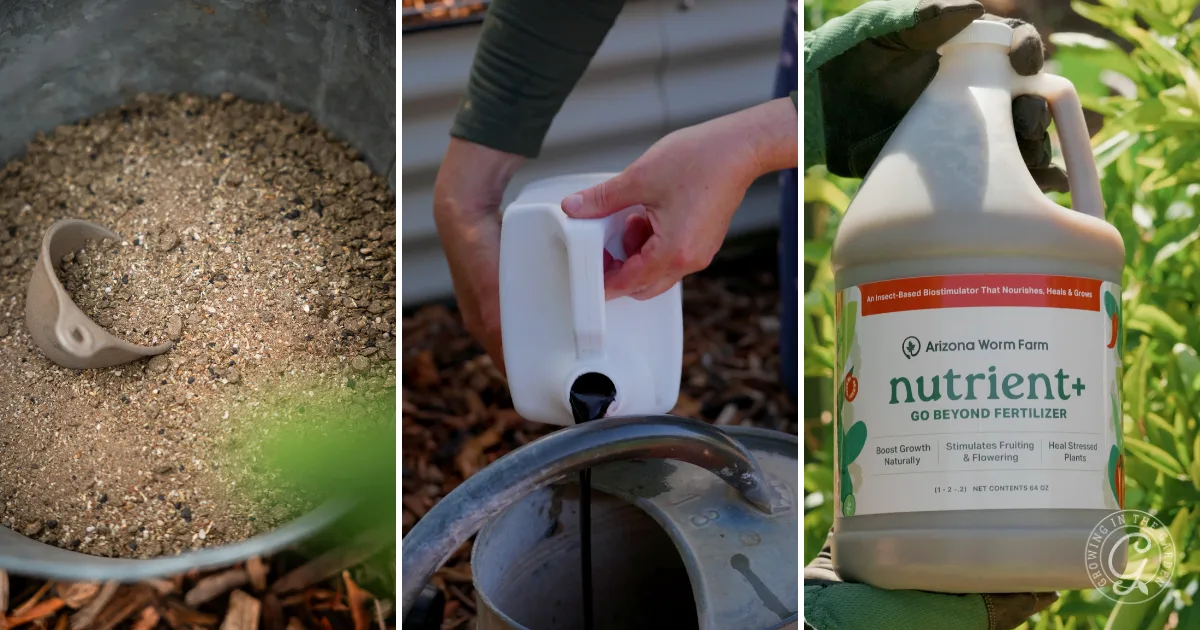
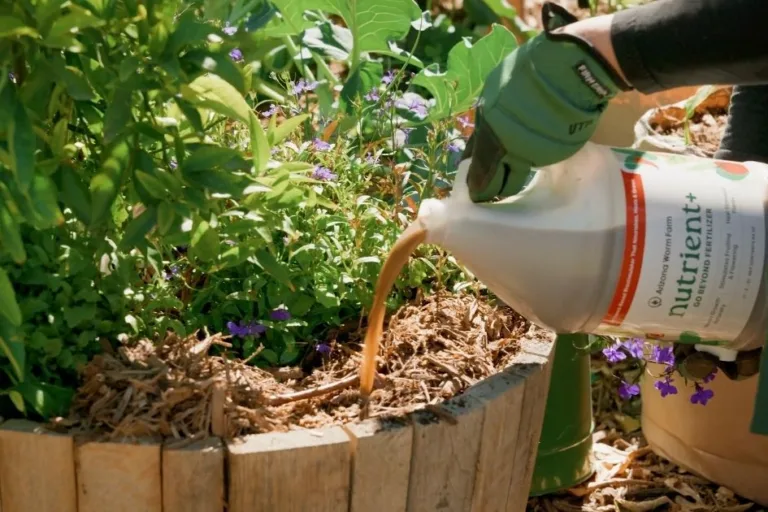
Items that focus on biology, such as microbial inoculants or liquids like Nutrient+, support the soil food web and help plants access nutrients that are already there.
Understanding which type you are using helps you decide when and how often to use it.
Why use liquid organic fertilizer?
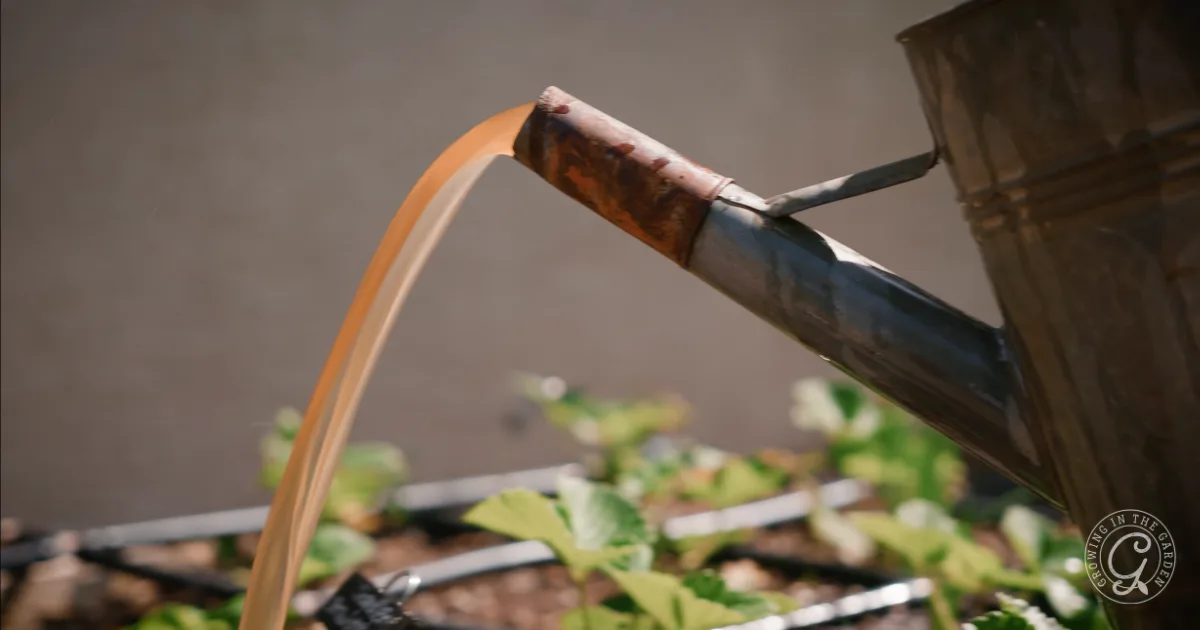
Liquid fertilizers are fast-acting, easy to apply, and work well in raised beds and containers.
- Quick results: Nutrients are absorbed faster than granular or compost-based options, which is helpful during key growth stages or during short seasons.
- Easy over mulch: No need to dig or disturb the soil. Just water it in.
- Gentle and flexible: Dilute as needed for seedlings, transplants, or mature plants.
- Supports soil life: Many liquid fertilizers feed plants and beneficial microbes at the same time.
- Low salt risk: Gentler than granular options, so they’re less likely to contribute to salt buildup.
When plants need fertilizer
Containers vs garden beds
Plants in containers usually have less soil, and some nutrients are washed out as you water. The soil is often replaced each season, so it does not have time to build up the good biology that can feed and support plants without additional fertilizer.
Plants in raised beds and in-ground beds often have more soil and can build up a strong soil food web over time. Beds need fertilizer less often than containers.
How to tell if a plant may need fertilizer
Fertilizer is most helpful when:
- New growth is pale or lighter green than older leaves
- Plants are smaller than expected for the season and variety
- Flowers and fruit are fewer or smaller, even with good sun and water
Before reaching for fertilizer, look for other issues first: watering problems, pests, disease, or extreme heat or cold. This guide can help you sort through those problems: Garden Troubleshooting Guide: How to Identify & Solve Common Garden Problems.
Heavy-feeders
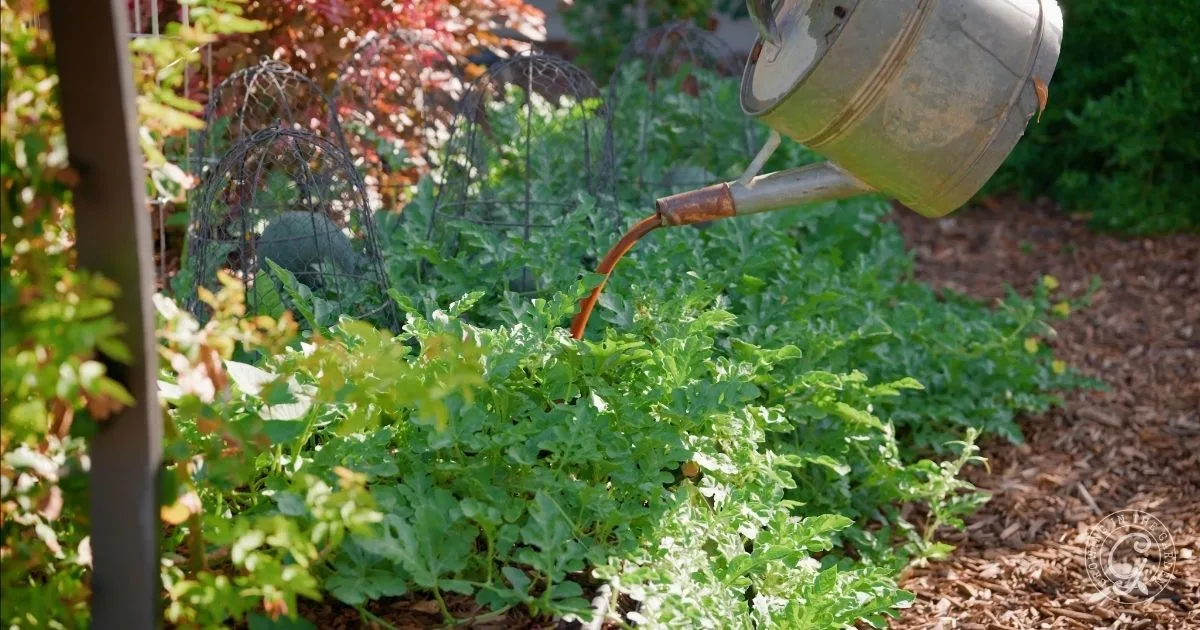
Some crops use more nutrients and often benefit from regular feeding, especially in containers or younger beds:
- Tomatoes and tomatillos
- Peppers and eggplant
- Corn
- Summer squash and winter squash
- Cucumbers
- Pumpkins and melons
- Flowering annuals
- Strawberries
Many herbs, peas, beans, and some root crops usually don’t need fertilizer when grown in healthy soil.
Younger gardens vs established beds
New gardens often require more fertilizer. Fresh raised bed mixes may not have developed a strong soil food web. Organic fertilizers can help plants grow well while the biology and structure in the soil improve.
Over time, as compost, worm castings, mulch, and in-bed vermicomposting bins are added, beds usually need less fertilizer.
Many gardeners notice that older beds with rich, living soil grow some crops very well with compost and worm castings alone. You may not be able to completely stop using fertilizer, but you’ll need it less often as the soil improves.
How to use liquid organic fertilizer on young plants and transplants
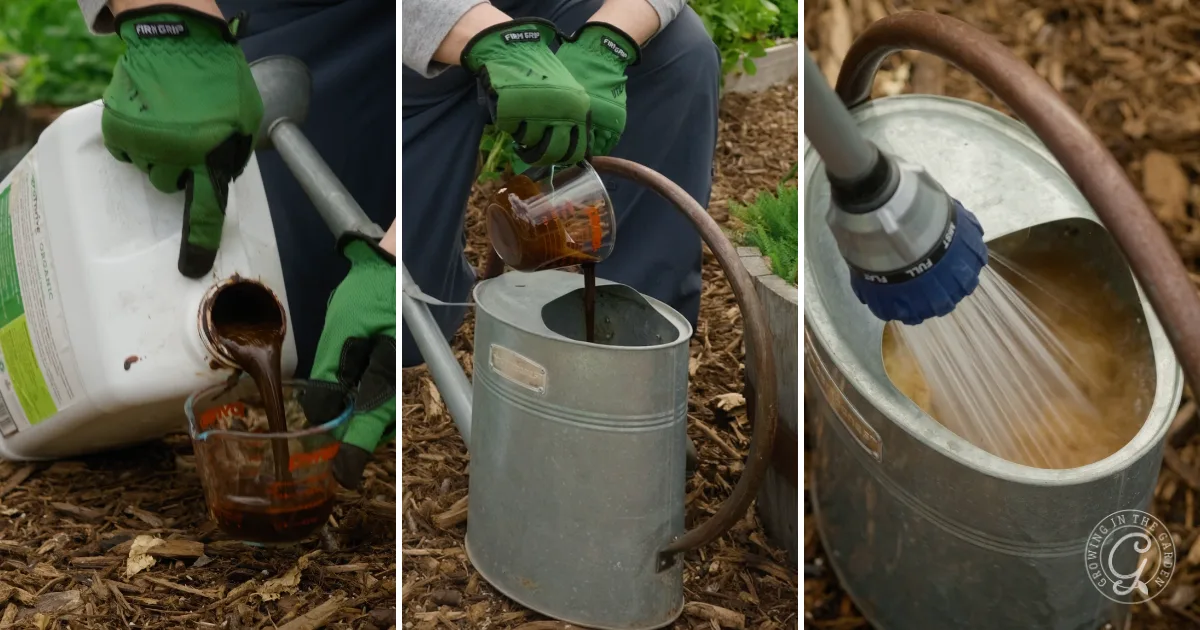
Young plants can be damaged by too much fertilizer.
- Wait to fertilize seedlings until they are established and putting on new growth.
- For transplants, let them recover from transplant shock first. Make sure they are not wilted, and new leaves are forming before adding fertilizer.
For step-by-step help getting transplants off to a good start, read How to Plant Transplants.
How to apply liquid organic fertilizer
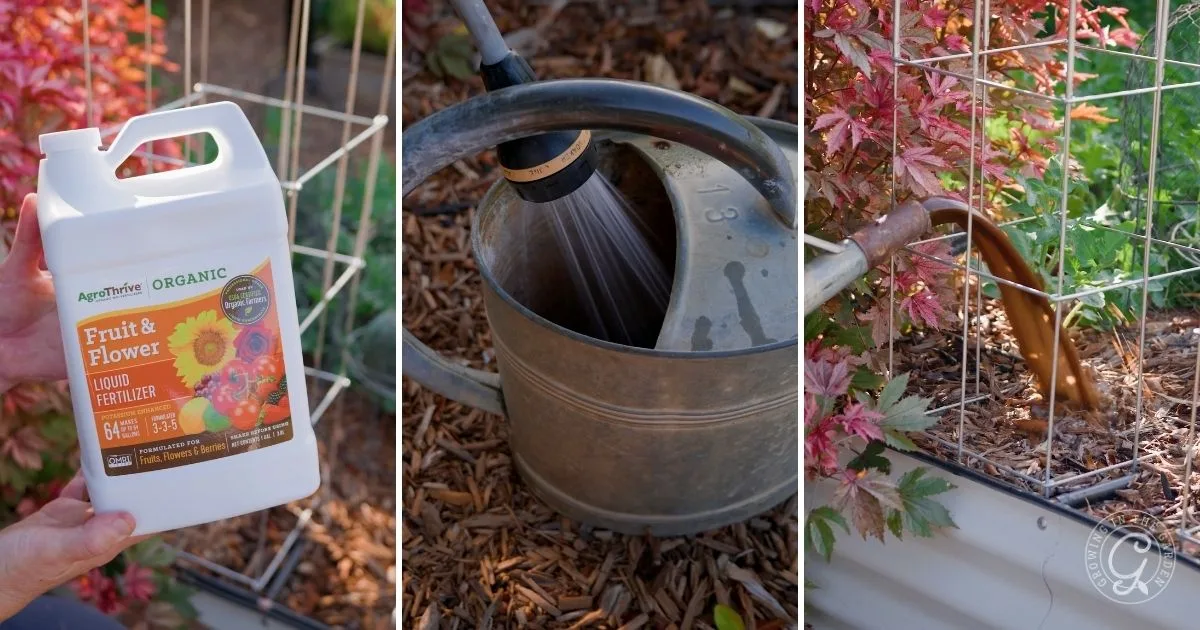
No matter which brand you use, a few basic principles apply:
- Shake the bottle well to mix everything.
- Follow the dilution instructions on the package.
- Apply to hydrated soil so nutrients can move into the root zone.
- Use the diluted mixture the same day.
- If using as a foliar spray, apply in the cooler parts of the day and test on a few leaves first.
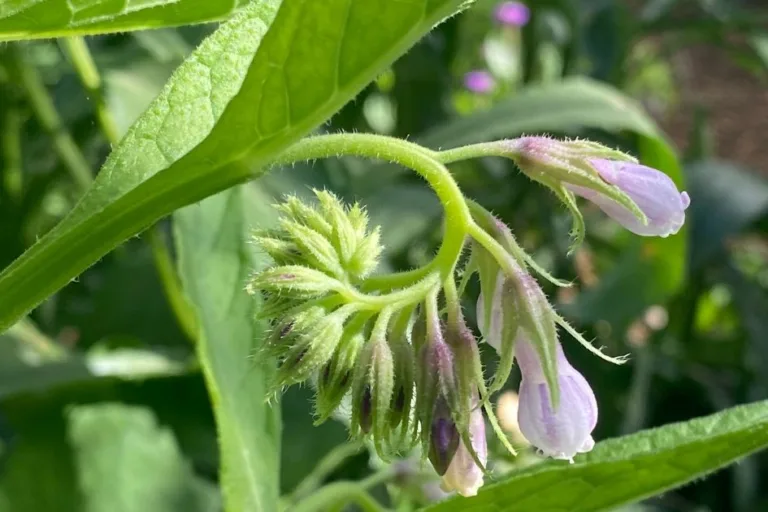
If you want a DIY option you can make from your own garden, comfrey tea is an easy homemade liquid fertilizer you can steep and dilute for a gentle soil drench.
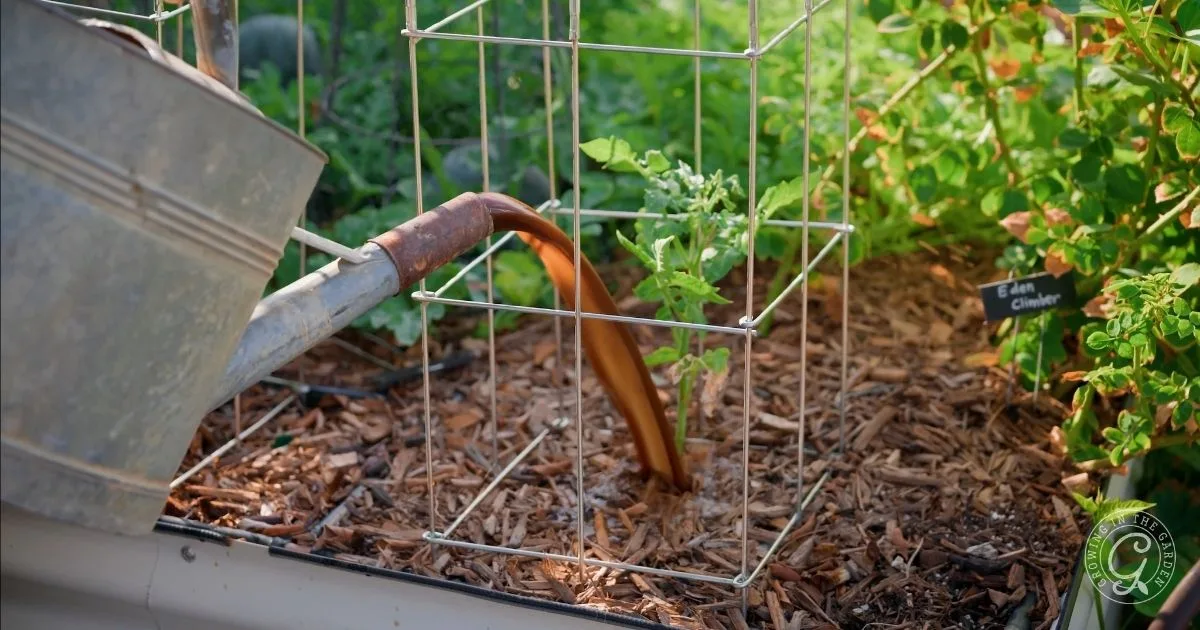
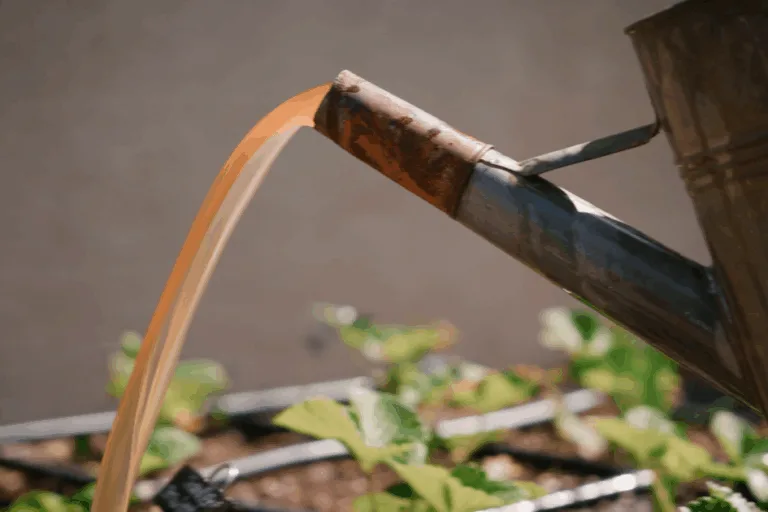
I like using a watering can or bucket and applying liquid fertilizer as a soil drench around the base of the plant, soaking the top few inches of soil.
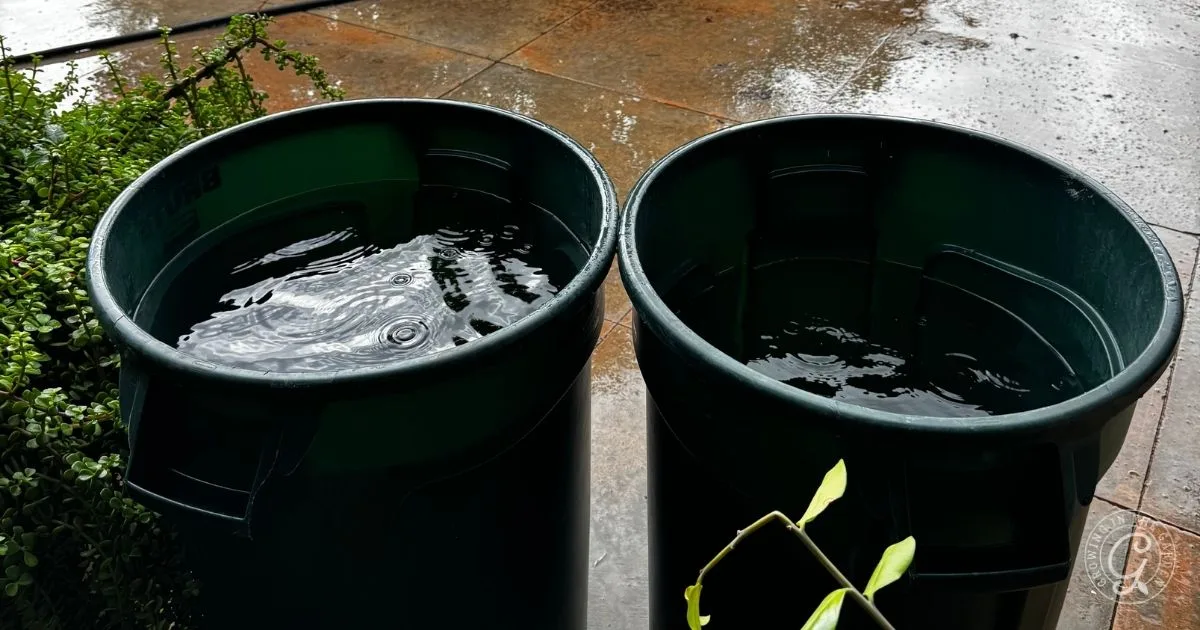
Tip: My favorite way to use rainwater is with liquid fertilizer. When I have garbage cans full of collected rainwater, I add the fertilizer directly to the water and dip my watering can in to fill it. It’s a simple way to make use of both at the same time.
How to use AgroThrive organic fertilizer
When I need to use fertilizer, I often use AgroThrive organic liquid fertilizer. It is “pre-digested” by microbes so nutrients are available quickly, but it is still gentle on plants and soil.
There are two formulas:
AgroThrive General Purpose (3-3-2)
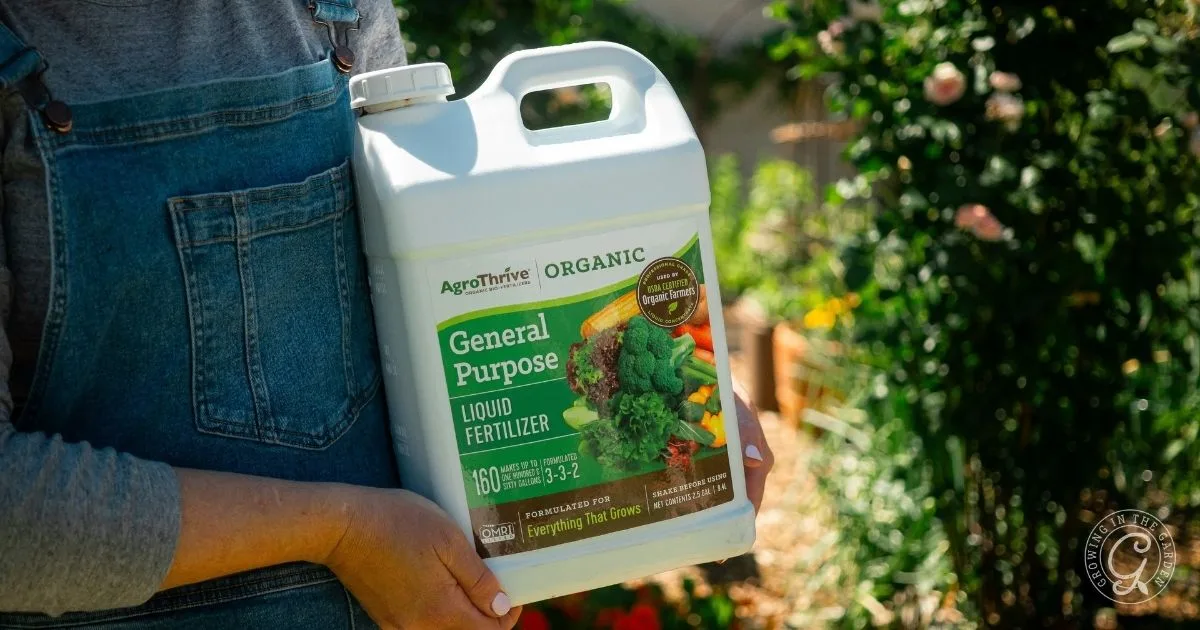
Use General Purpose when the goal is leafy growth and strong roots:
- Seedlings and young transplants that are actively growing
- Leafy greens and most herbs
- Perennials and shrubs when they are leafing out
- Mixed containers and raised beds with mostly foliage crops
AgroThrive Fruit & Flower (3-3-5)
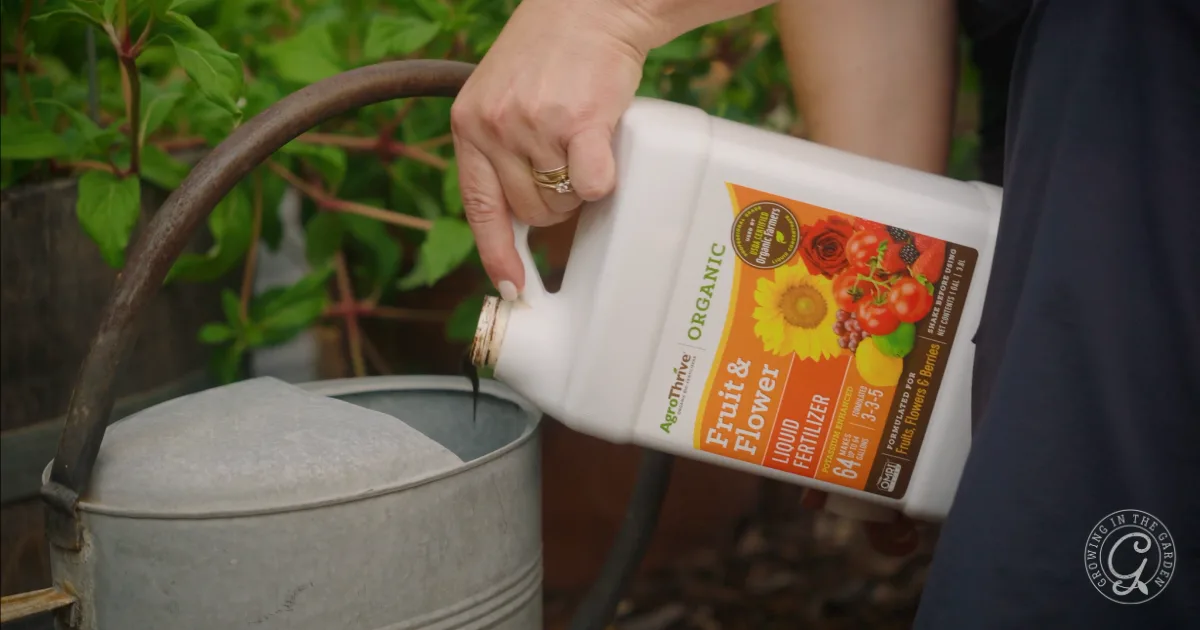
Use Fruit & Flower when plants are budding, blooming, or forming fruit and roots:
- Tomatoes, peppers, eggplant, and tomatillos
- Squash, cucumbers, pumpkins, and melons
- Strawberries and other berries
- Fruiting shrubs and trees
- Root crops like potatoes, sweet potatoes, carrots, beets, and parsnips
If you are feeding fruit trees, follow the steps in this guide:
Organic Fruit Tree Fertilizing: 4 Simple Steps
Mixing and application rates for AgroThrive
- Seedlings: about 1 ounce of concentrate per 1 gallon of water
- Starter plants: mix 2 ounces of concentrate with 1 gallon of water and apply to the soil about once a week
- Mature plants: mix 4 ounces of concentrate with 1 gallon of water and apply every 1–2 weeks
Use the diluted solution as a soil drench around the base of the plant. For dry soil or larger plants, follow with plain water to help move nutrients into the root zone. AgroThrive can also be used for foliar feeding, hydroponics, and some other fertilizing systems when properly diluted.
My Organic Fertilizing Routine
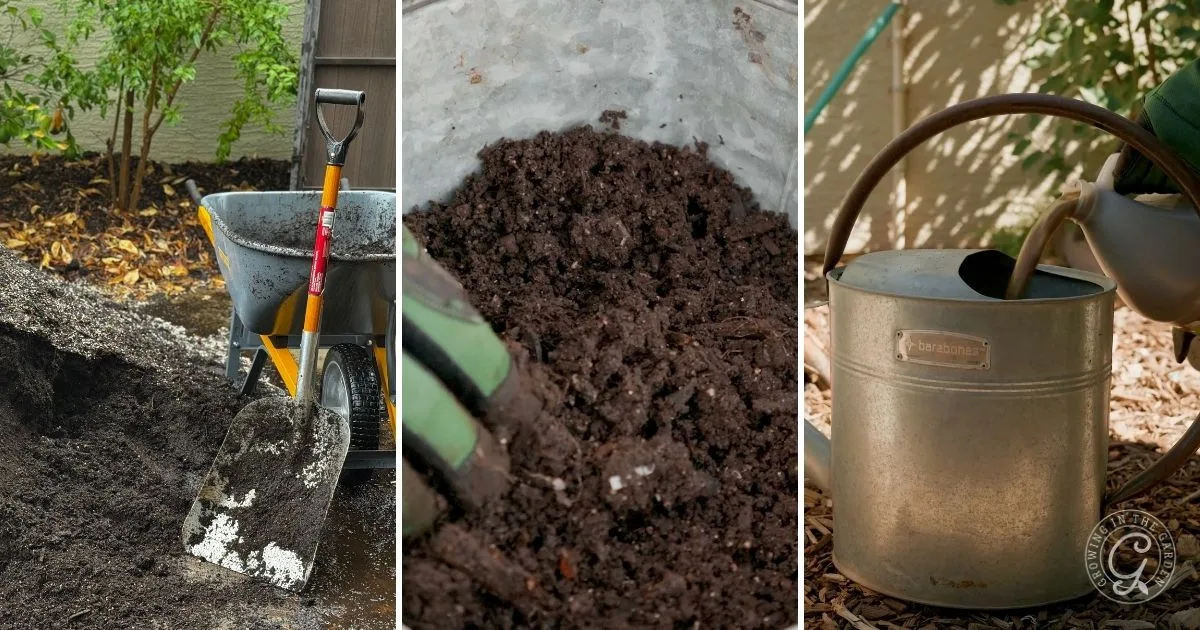
A simple routine in a garden might look like this:
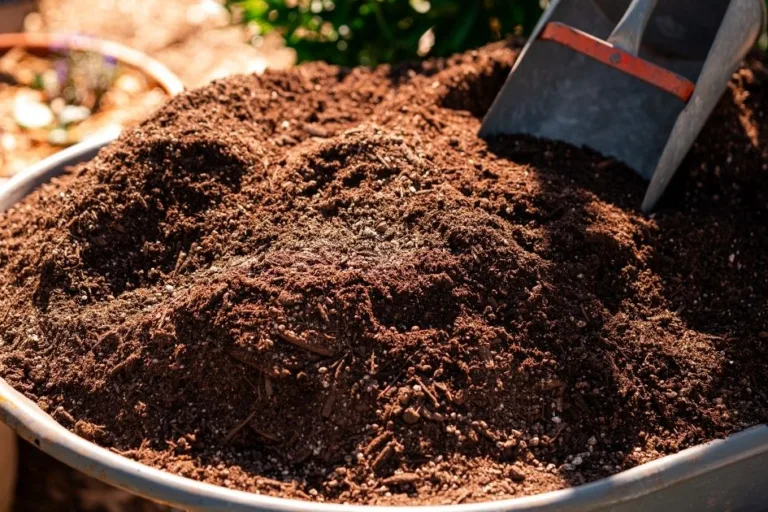
- Build and refresh raised beds with quality soil and regular compost.
- Add worm castings, in-bed vermicomposting, and worm casting tea to keep soil life active.
- Use a biological product like Nutrient+ when planting or if plants are stressed.
- Fertilize containers regularly while they are actively growing. (I try to feed about once a month)
- Fertilize beds as needed, focusing on heavy feeders and younger beds. Use liquid fertilizers like AgroThrive General Purpose for leafy growth and AgroThrive Fruit & Flower once plants are budding, blooming, and fruiting.
As the soil improves, plants rely less on frequent fertilization and more on the living, nutrient-rich soil beneath them. That is the real goal of any organic fertilizing plan.
If you are still building that foundation of good soil, start here:
To add biology and nutrients, in-bed worm bins and worm castings work very well in raised beds:

Leave a comment on How and When to Use Liquid Organic Fertilizer