
How to Grow Patty Pan Squash
Patty pan squash was a surprise family favorite in our garden. I originally grew it because I was intrigued by its unique shape, but it quickly became one of the most requested vegetables at our table. Its tender texture and mild flavor make it delicious grilled, roasted, sautéed, or stuffed.
With its round, scalloped shape and shades of yellow, white, and green, patty pan squash adds beauty to the garden as well as the kitchen. Like other summer squash, it’s productive, easy to grow, and begins producing quickly.
Whether you’re growing classic white varieties or colorful types, this guide will teach you how to grow patty pan squash successfully and enjoy a plentiful harvest.
Key Takeaways: How to Grow Patty Pan Squash
- Patty pan squash is easy to grow and offers a variety of types, like Sunburst and Peter Pan, each with unique flavors and harvest times.
- Plant patty pan squash in well-draining soil after the last frost, ensuring soil temperatures are above 60°F (15.5°C).
- Provide consistent watering, monitor for pests, and consider hand pollination to improve fruit set.
- Harvest patty pan squash when they are small and tender, around 2-4 inches in diameter, and store in the refrigerator for up to a week.
- Use harvested squash in various dishes; grill or roast them, or stuff larger fruits for delicious meals.
Why You’ll Love Growing Patty Pan Squash
- Great for grilling, roasting, sautéing, and stuffing
- Unique scalloped fruits in white, yellow, and green
- Fast-growing and productive
- Harvest young for the best flavor and texture
- Easy to grow from seed
- Beautiful in the garden and on the plate
What Is Patty Pan Squash?
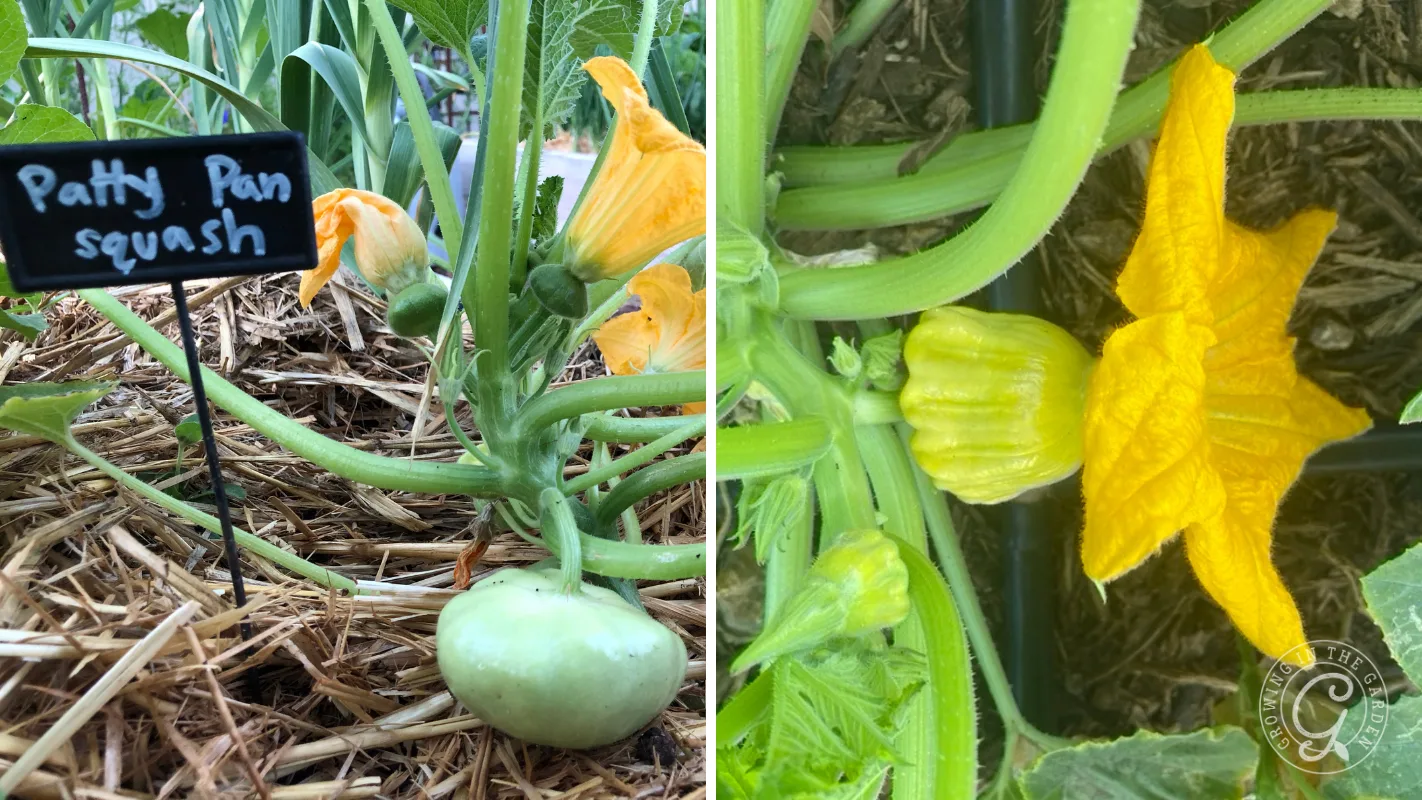
Patty pan squash is a type of summer squash (Cucurbita pepo) known for its distinctive round shape and scalloped edges. Depending on the variety, the fruits can be white, yellow, green, or a combination of colors.
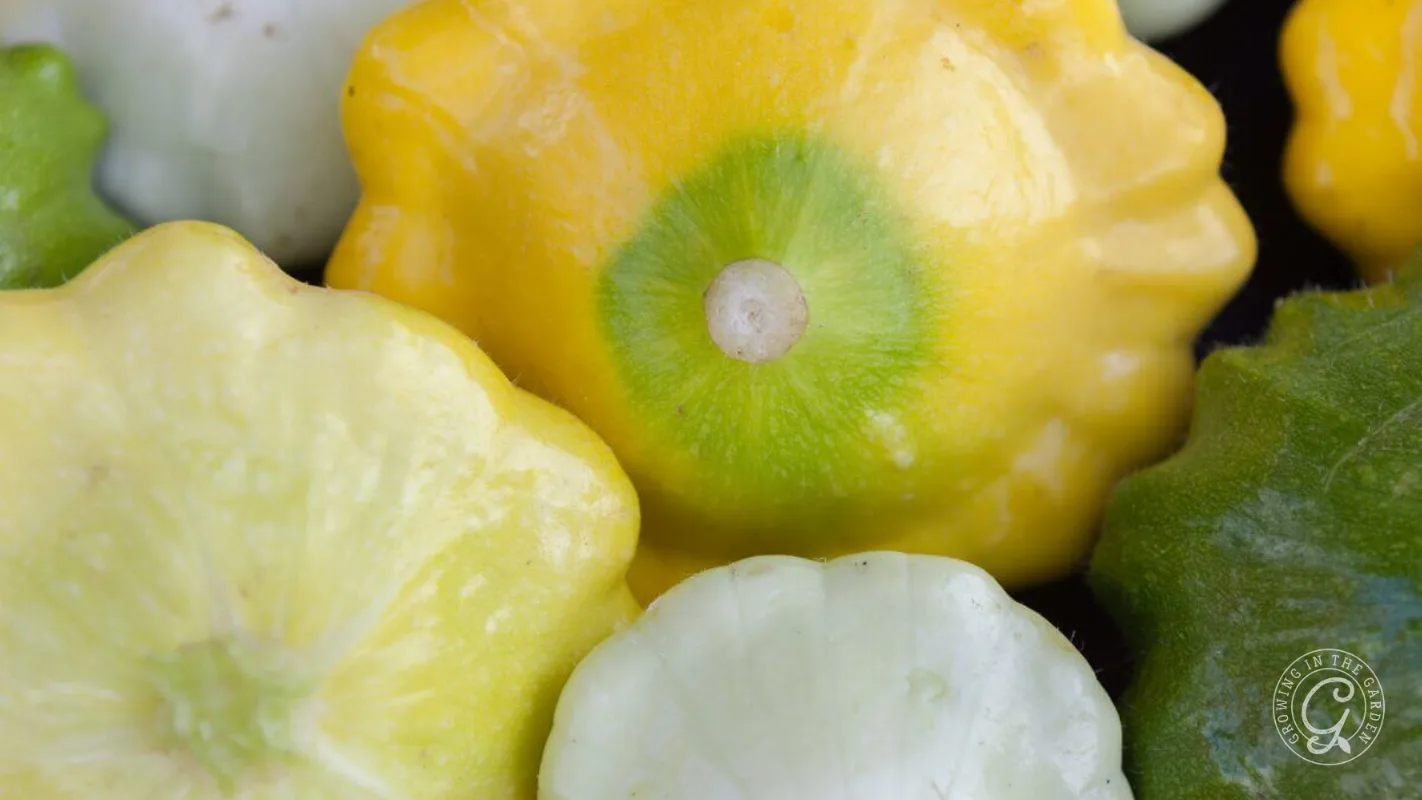
Like zucchini and yellow squash, patty pan squash is harvested while the fruits are young and tender. Learn how to grow different types of summer squash. The flavor is mild and slightly sweet, making it a versatile addition to many recipes. Young fruits can be sliced and sautéed, grilled, roasted, or eaten raw, while larger fruits are excellent for stuffing.
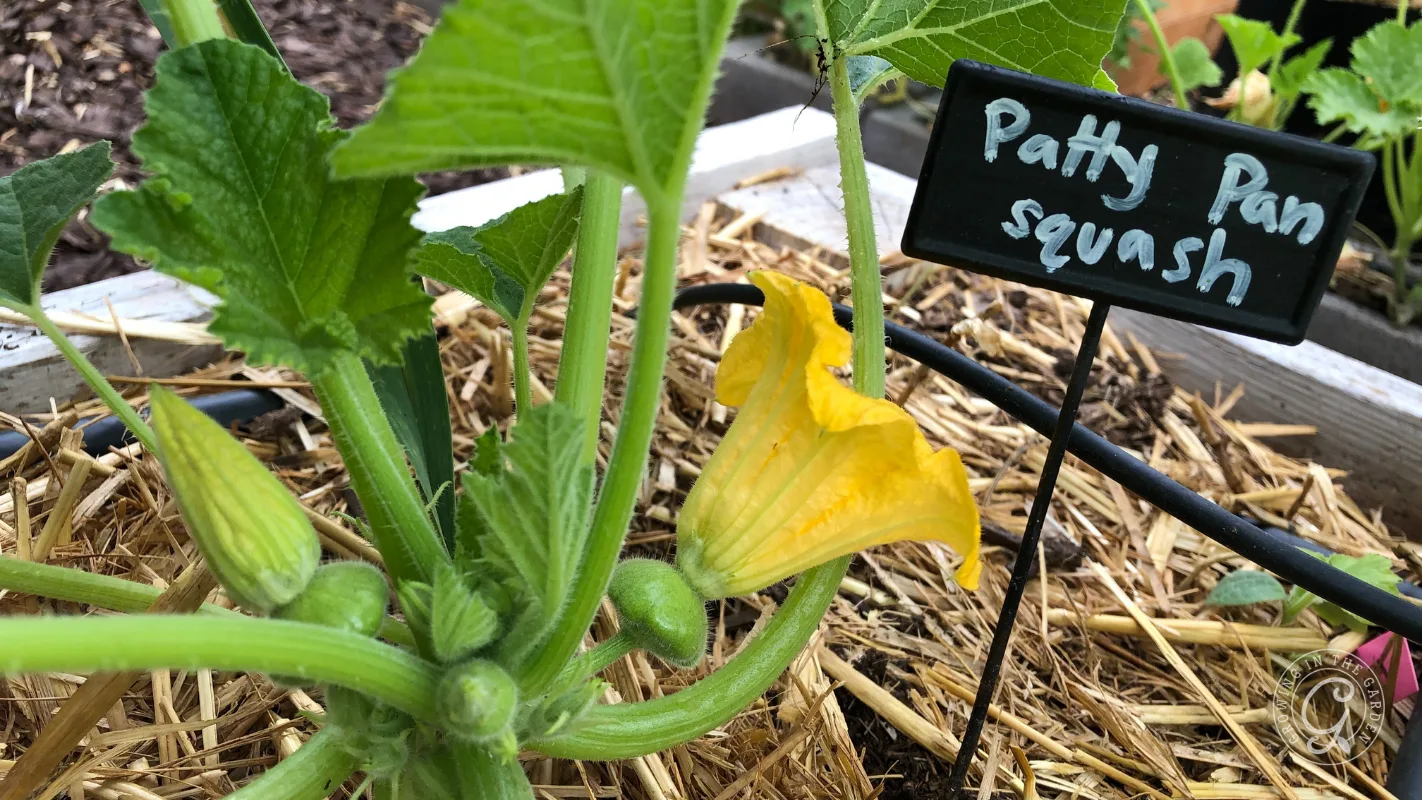
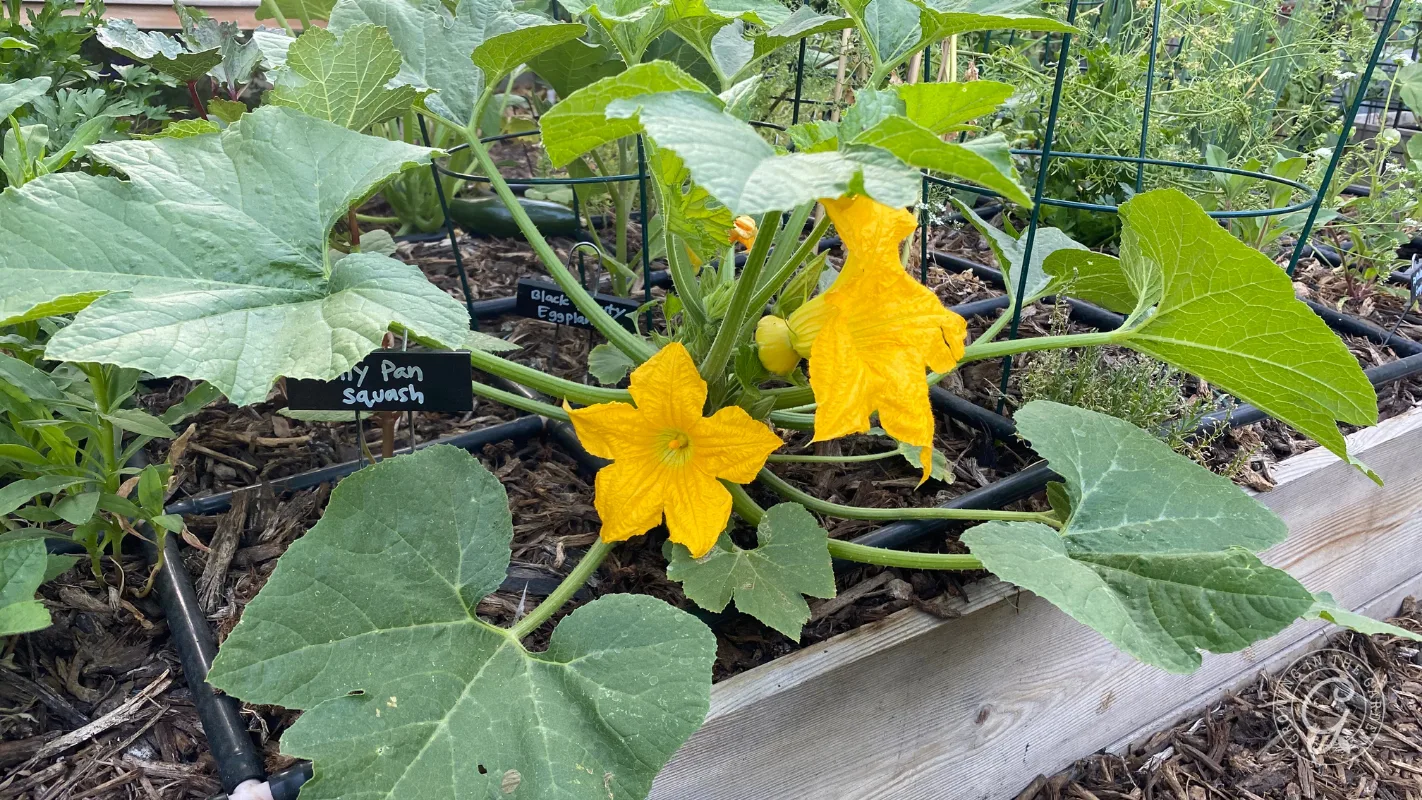
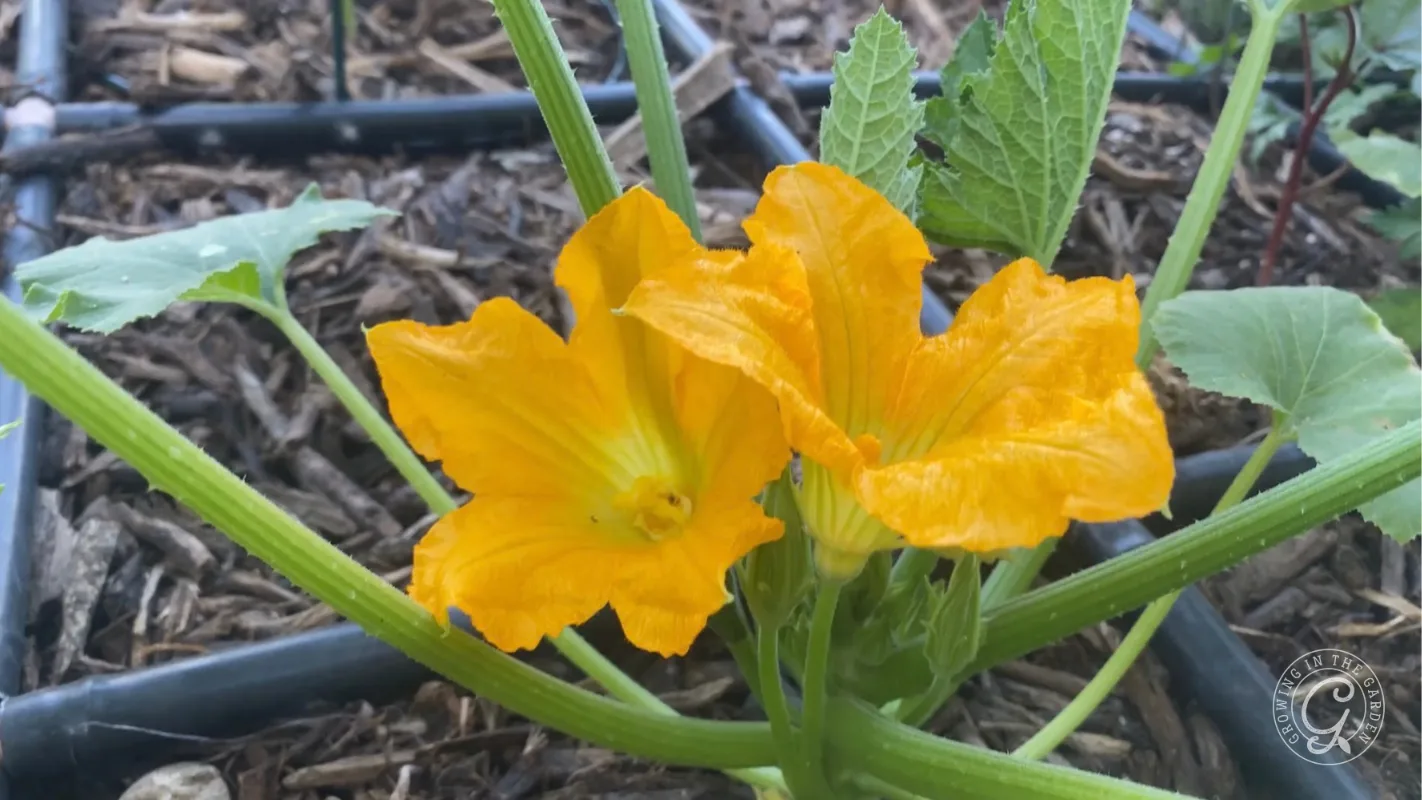
Patty pan squash grows on bush-type plants rather than long vines, making it a good choice for raised beds, containers, and smaller garden spaces. The plants produce large yellow flowers that attract bees and other pollinators, followed by an abundant harvest of unique, saucer-shaped fruits throughout the growing season.
Because the fruits grow quickly, regular harvesting encourages plants to continue producing and helps ensure the best flavor and texture.
Try Different Varieties of Patty Pan Squash
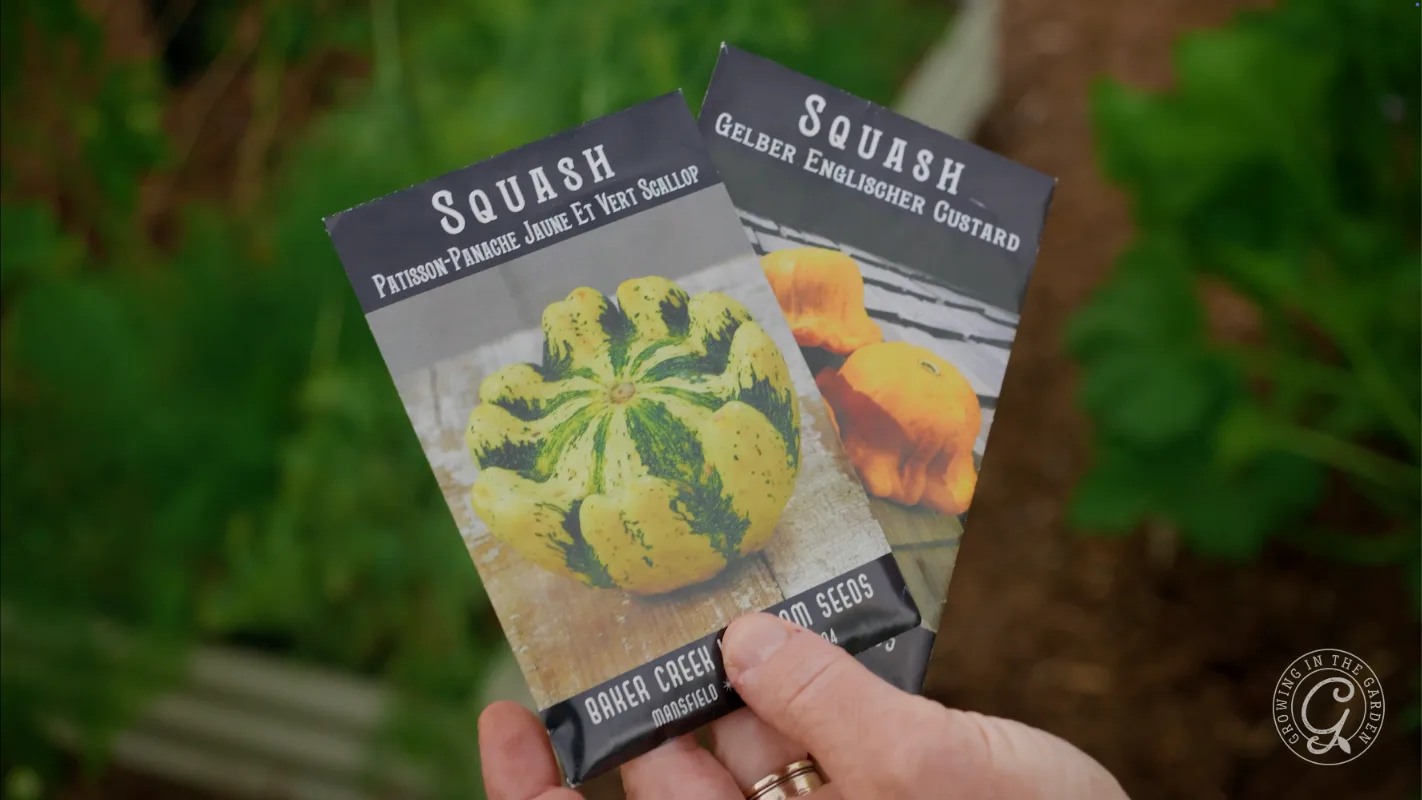
One of the most fun things about growing patty pan squash is choosing from the many colorful varieties available. Fruits range from creamy white to bright yellow and deep green, but all are harvested and used similarly.
Sunburst
Bright yellow fruits with scalloped edges and a tender, slightly nutty flavor. An All-America Selections winner and one of the most popular patty pan varieties. Harvest in about 55 days.
Peter Pan
Small green fruits with attractive scalloped edges. This All-America Selections winner is known for its reliable production and excellent flavor. Harvest in about 50 days.
Gelber Englischer Custard
A beautiful lemon-yellow heirloom variety with excellent flavor and attractive flattened fruits. Harvest in about 60 days.
Looking for more summer squash varieties? This post lists more of my favorites.
When to Plant Patty Pan Squash
Patty pan squash thrives in warm weather and grows best when planted after the danger of frost has passed. Like other summer squash, it grows quickly in warm soil and struggles in cold temperatures.
In the low desert of Arizona, plant patty pan squash from mid-February through March for a spring harvest and again from mid-August through September for a fall harvest.
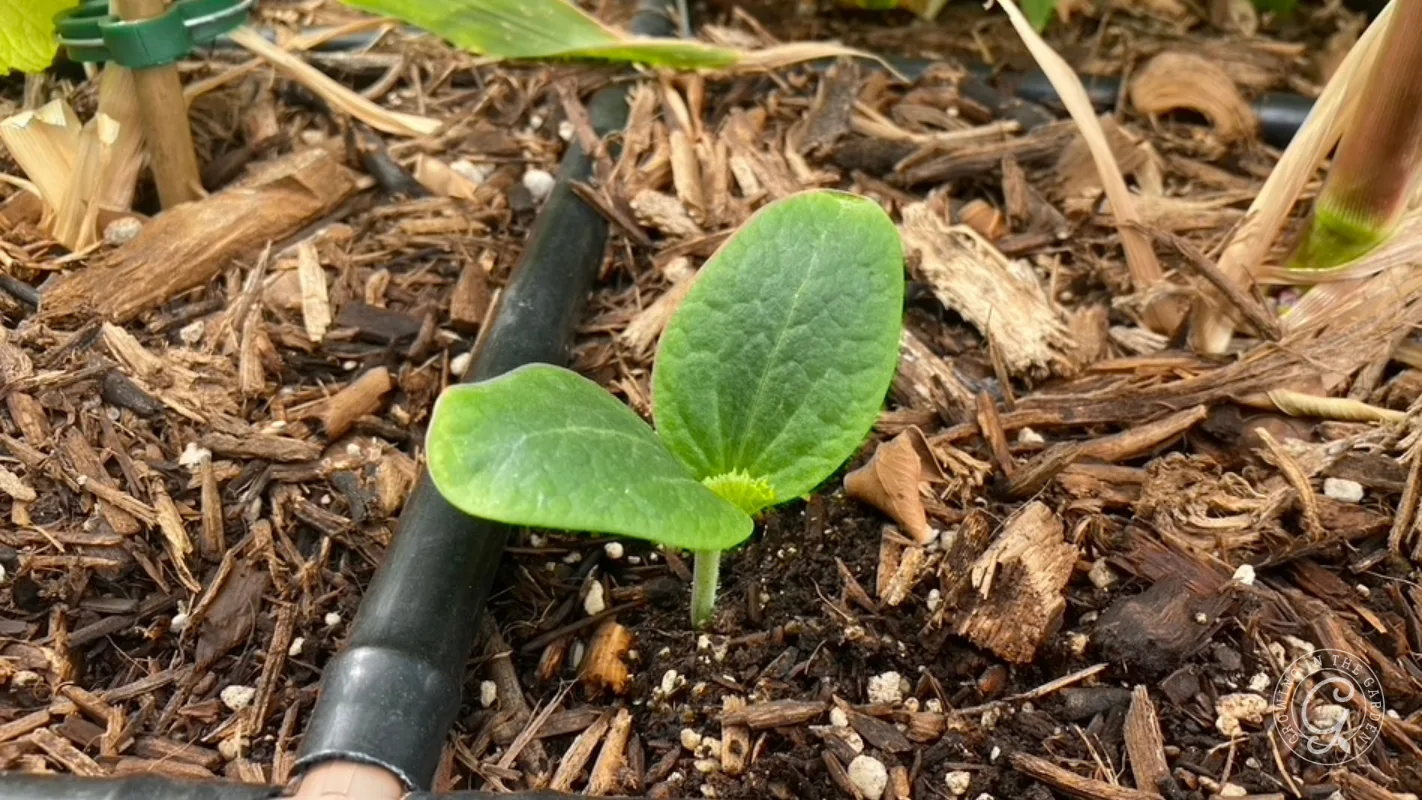
In other climates, wait until all danger of frost has passed and soil temperatures have warmed to at least 60°F (15.5°C) before planting. Seeds germinate quickly in warm soil, and plants often begin producing within 50–60 days.
For the longest harvest, succession plant every few weeks during your planting window. This helps ensure a steady supply of squash throughout the season.
How to Plant Patty Pan Squash
Patty pan squash is easy to grow from seed and grows quickly once the weather warms.
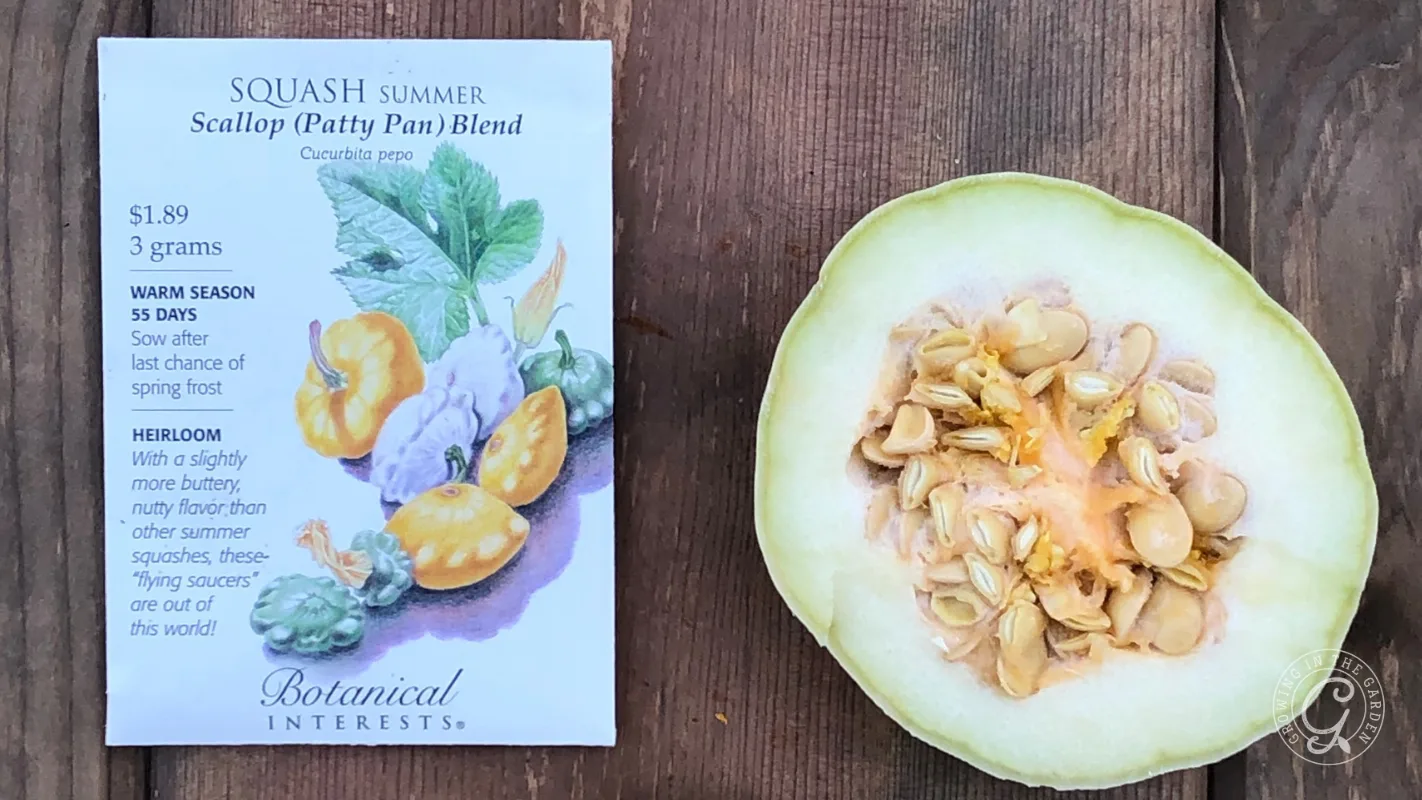
Before planting, amend the soil with compost and choose a location with well-draining soil. Direct sow seeds 1 inch (2.5 cm) deep, spacing plants 18–24 inches (45–60 cm) apart. Large seeds germinate quickly in warm soil and are easy to handle.
Choose a location that receives at least 6–8 hours of sunlight each day. In hot climates, morning sun with afternoon shade is ideal. Once daytime temperatures consistently exceed 90°F (32°C), providing shade can help plants remain productive longer.
Growing Patty Pan Squash in Containers
Patty pan squash also grows well in containers on a patio or balcony. Choose a container that is at least 18 inches (45 cm) wide and deep and fill it with a high-quality, well-draining potting mix.
Companion Planting Idea
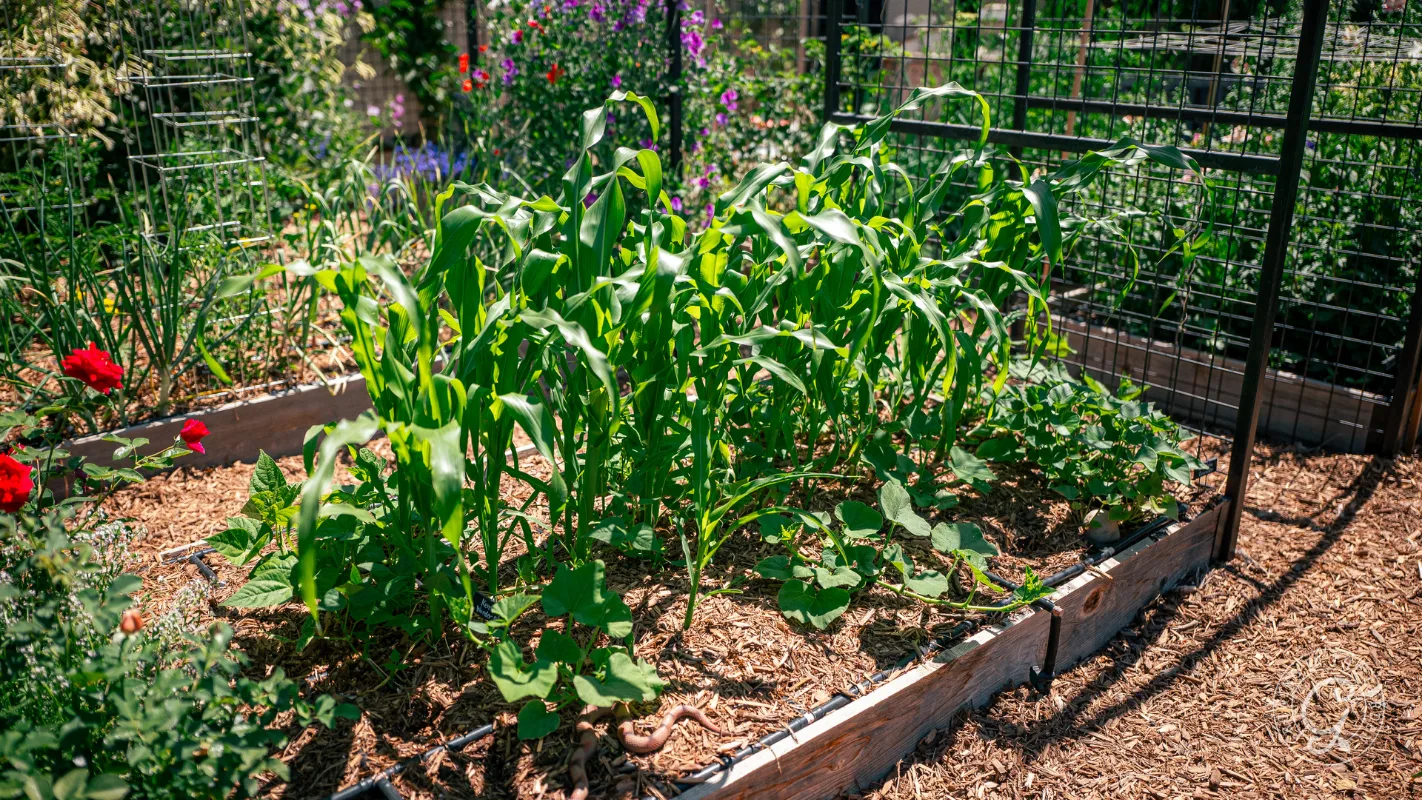
Patty pan squash is an important part of the Three Sisters planting method. Traditionally grown alongside corn and beans, squash helps shade the soil and reduce moisture loss. It can also be incorporated into adapted container versions of the Three Sisters garden.
Caring for Patty Pan Squash
Once established, patty pan squash is easy to grow and often produces an abundant harvest with just a little attention.
Watering
Patty pan squash needs consistent moisture for healthy growth and good fruit production. Water deeply and mulch around plants to help conserve moisture and regulate soil temperature. Avoid letting the soil dry out completely, especially when plants are flowering and setting fruit.
Pollination
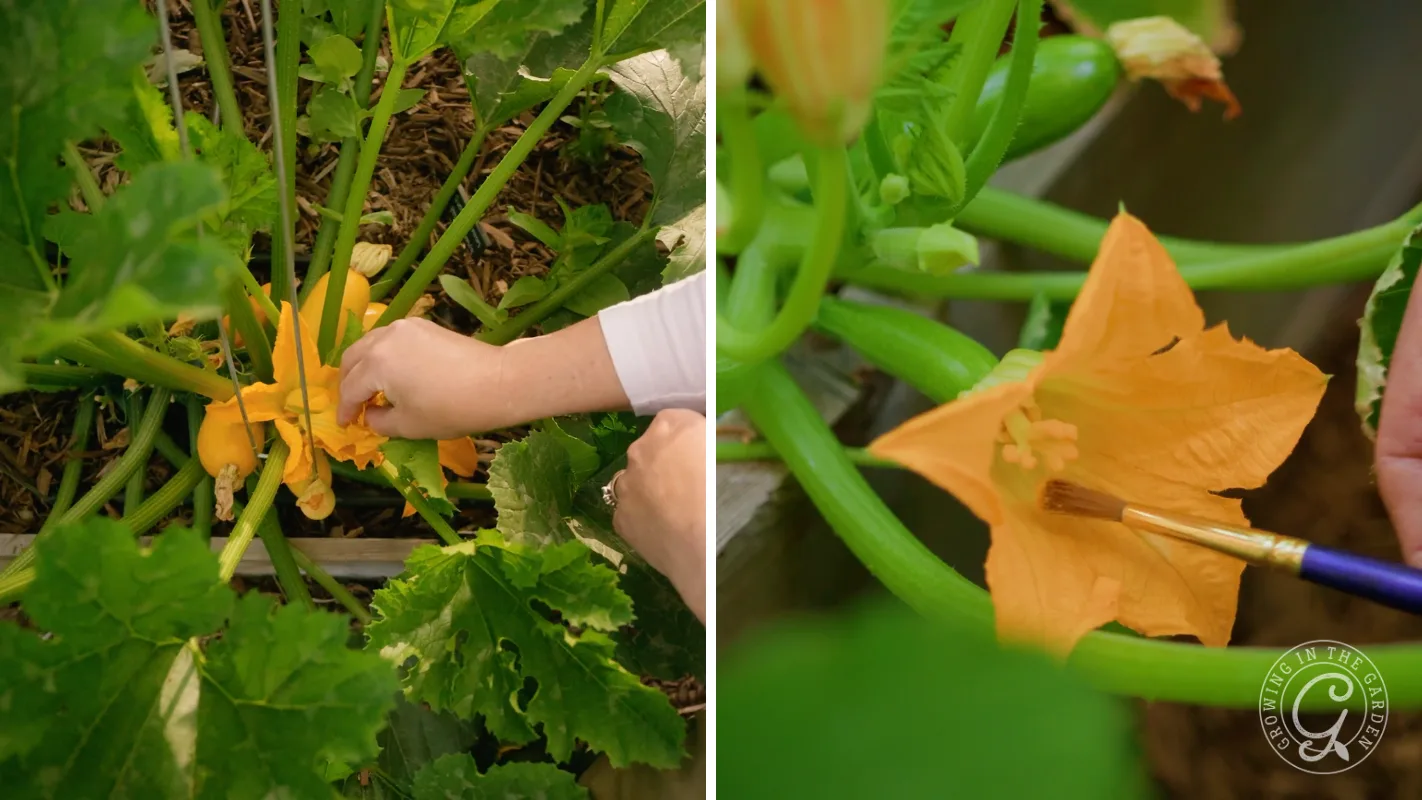
Like other squash plants, patty pan squash produces separate male and female flowers. Early in the season, plants sometimes benefit from hand pollination to improve fruit set. If flowers are appearing but small fruits are shriveling instead of growing, insufficient pollination may be the cause. Learn how to hand pollinate squash.
Common Pests and Diseases
The most common challenges when growing patty pan squash are squash bugs and powdery mildew.
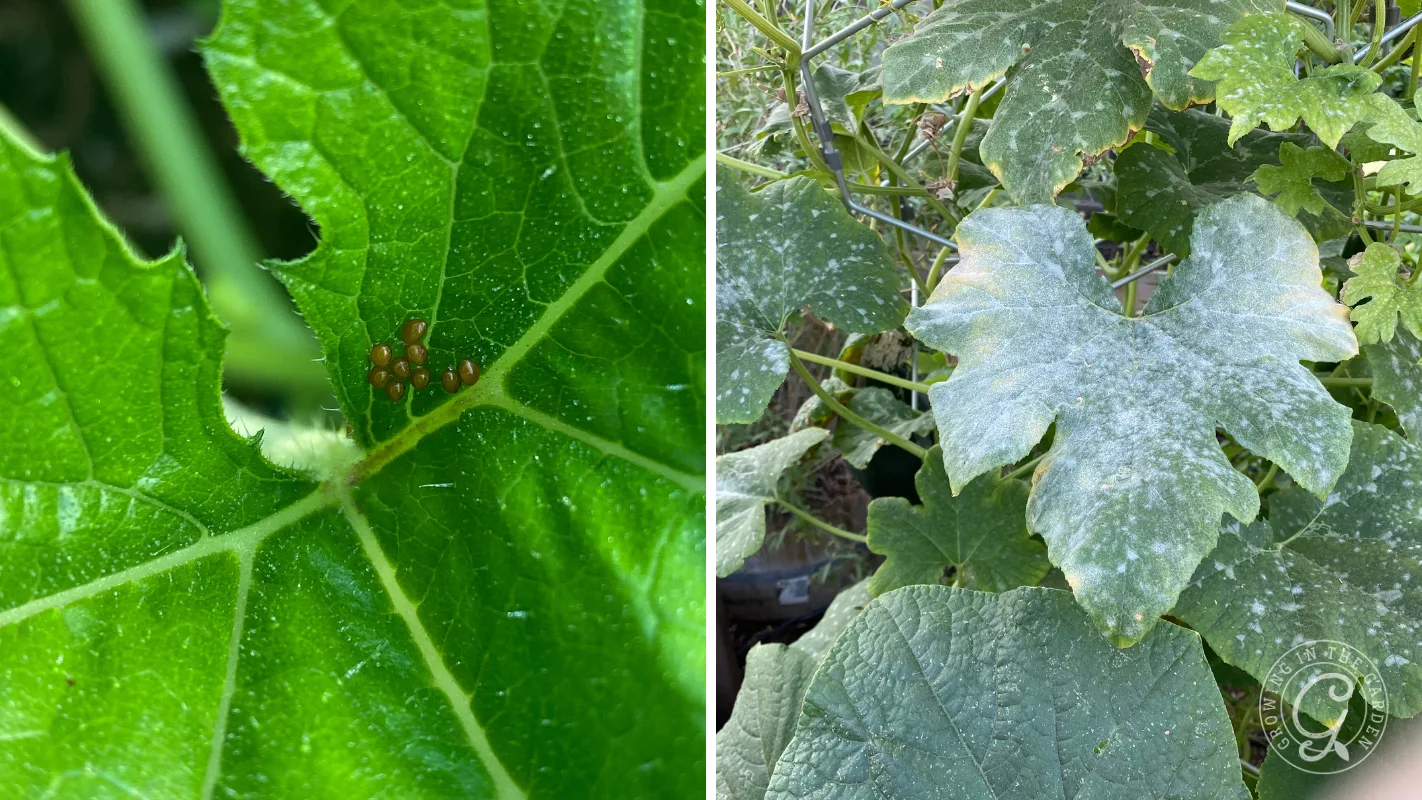
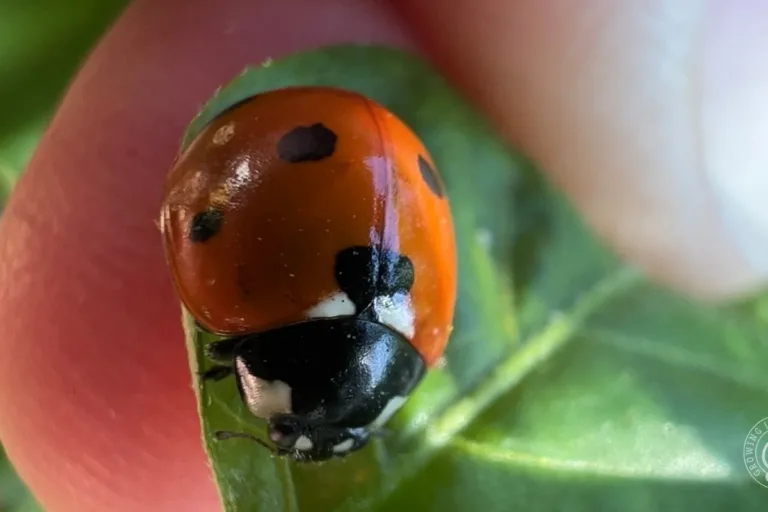
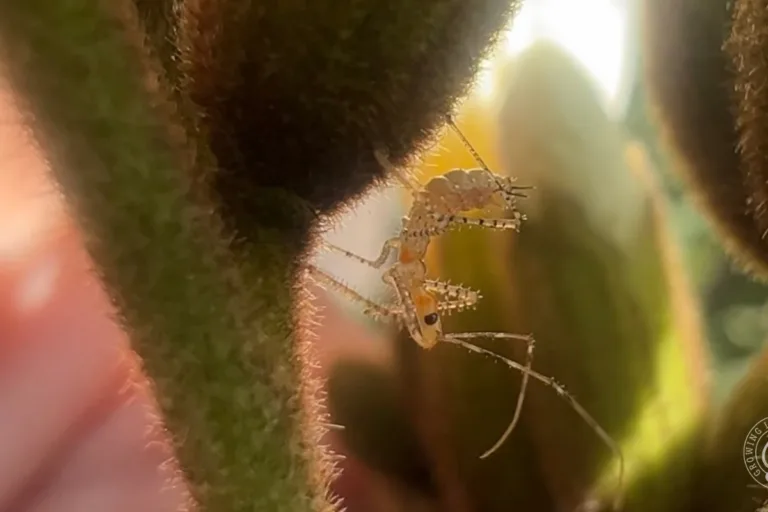
Check the undersides of leaves regularly for squash bugs and their bronze-colored egg clusters. Removing eggs early helps prevent larger infestations later in the season. Before you wipe away eggs, make sure you know what you’re dealing with. Learn how to identify beneficial insect eggs, so you don’t get rid of the good guys. Read more about preventing and controlling squash bugs.
Powdery mildew often appears as a white coating on leaves, especially during humid weather or late in the season. Remove heavily infected leaves and provide good airflow around plants to help reduce disease pressure. Read about powdery mildew treatment and prevention.
Harvesting and Using Patty Pan Squash
Patty pan squash tastes best when harvested young, tender, and firm. For the best flavor and texture, pick fruits when they are about 2–4 inches (5–10 cm) in diameter. At this size, the skin is tender, the seeds are small, and there’s no need to peel them.
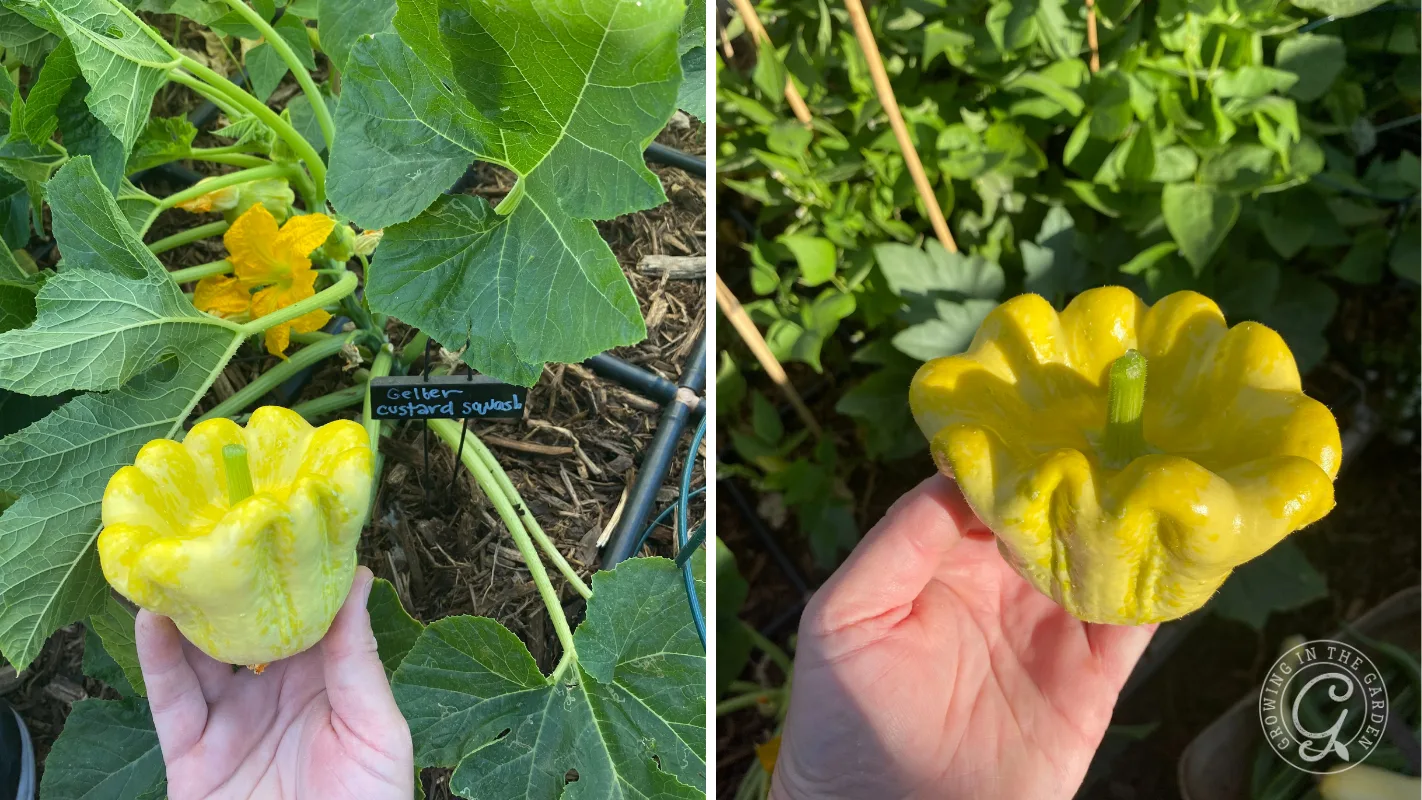
Check plants frequently during peak production. Like other summer squash, patty pan squash grows quickly, and regular harvesting encourages plants to continue producing.
Store harvested squash in the refrigerator for up to a week.
How to Use Patty Pan Squash
Small patty pan squash are delicious grilled, roasted, sautéed, or added to summer vegetable dishes. Their mild flavor and unique shape make them a favorite for both everyday meals and special occasions.
If fruits are allowed to grow larger, the skin becomes tougher and the seeds become more noticeable. Larger squash are best used for stuffing. Simply scoop out the seeds, fill with your favorite ingredients, and bake until tender.

Want more tips for growing and harvesting squash? This article shares 5 tips for growing summer squash.

Leave a comment on How to Grow Patty Pan Squash