
How to Start a Garden on a Budget
It might feel like you need “all the things” to start a garden. That’s not true. My first garden was a 4’x4′ raised bed made from pine boards that Home Depot cut for me. That bed lasted over ten years and grew a huge amount of food.
Starting a garden on a budget does not have to be daunting. Good advice to follow is, “Start where you are. Use what you have. Do what you can.” Here are ten simple ways to start your garden without breaking the bank:

Key Takeaways: Garden on a Budget
- Starting a garden on a budget is achievable with simple steps like starting small and using what you have.
- Reuse items from home for planting, swap seeds with neighbors, and check local libraries for seed libraries.
- Make your own compost to save on soil costs and choose perennials for lasting savings over time.
- DIY garden structures cut costs, while natural pest control methods save money and protect your garden.
- Focus on high-yield crops for maximum harvest and explore creative ways to use your produce without overspending.
What We’ll Cover:
- 1. Start Small:
- 2. Reuse and Recycle:
- 3. Swap Seeds and Plants:
- 4. Make Your Own Compost:
- 5. Choose Perennials When Starting Your Garden on a Budget:
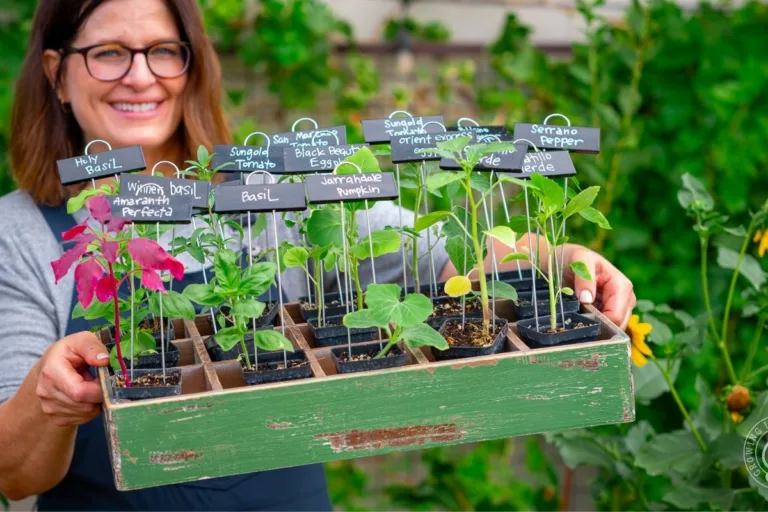
- 6. Grow from Seeds to Save Money Gardening:
- 7. Water Wisely:
- 8. DIY Vertical Garden Structures:
- 9. Use Natural Pest Control:
- 10. Choose High-Yield Crops When Budget Gardening:
- 11. Find Ways to Use Your Harvests
- Bonus Tip: Learn and Experiment When Starting a Garden on a Budget

1. Start Small:
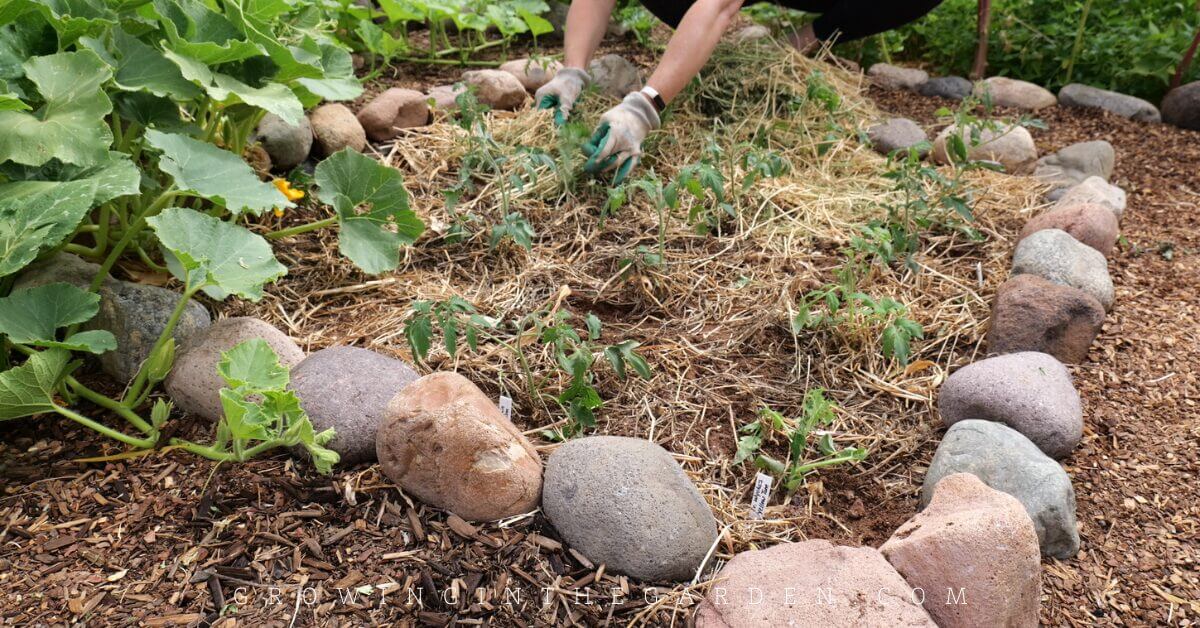
To minimize costs and workload, begin with a small sunken bed or container garden. It’s easier to expand later as your confidence grows. A sunken bed has minimal start-up cost and can be a very effective way to garden. To learn more, read this post about sunken-bed gardening.
2. Reuse and Recycle:
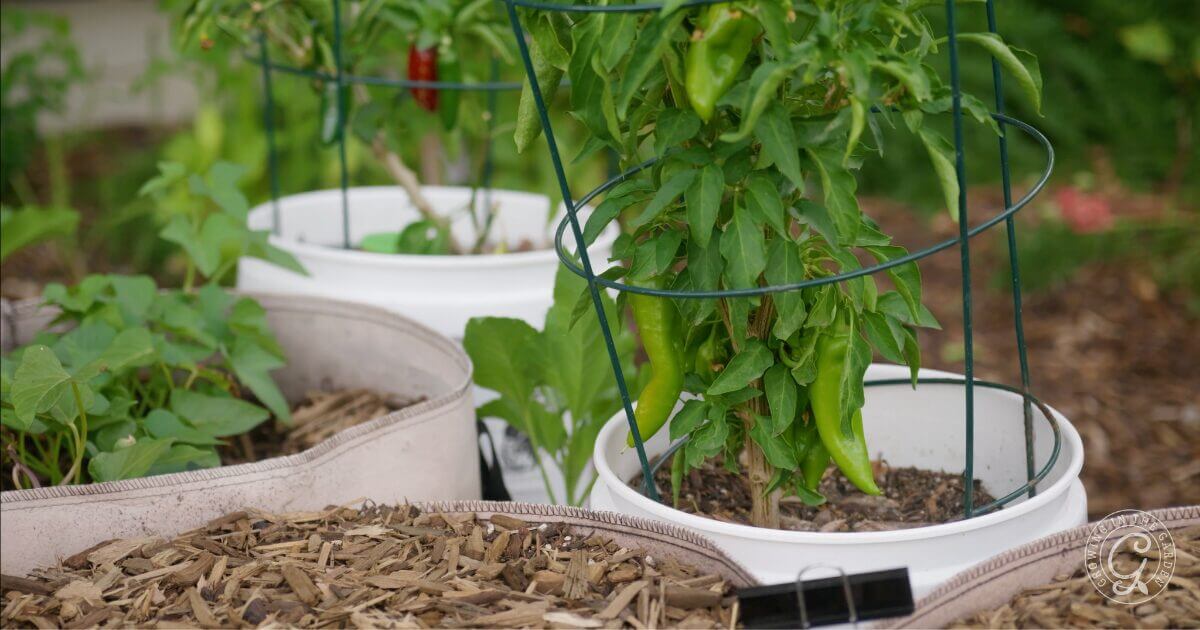
When starting your garden, use items you already have around the house. Old containers, cement blocks, and bathtubs can be used as planters to save money. Think outside the garden box and use the ideas in this blog post about creative container gardening.
Elevated Garden Bed Tips for Hot Climates is a great place to start if you’re working with a small space or just want an easier setup to manage.
3. Swap Seeds and Plants:
Swap seeds or cuttings with friends, neighbors, or online communities. This way, you can get a variety of plants for free.
- Seed packages often contain more seeds than you will use; split packages with friends.
- Learn how to save seeds so you always have some to share.
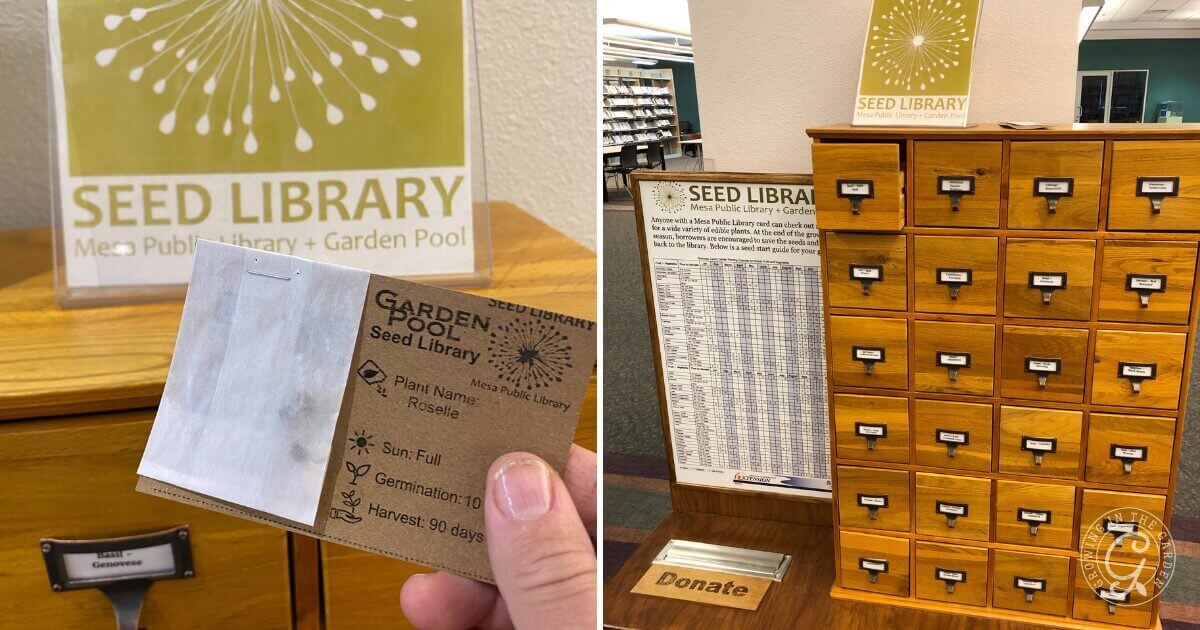
- Local libraries often have seed libraries where you can check out seeds for free!
Starting a garden can feel overwhelming. Learn how to avoid new gardeners’ most common mistakes.
4. Make Your Own Compost:
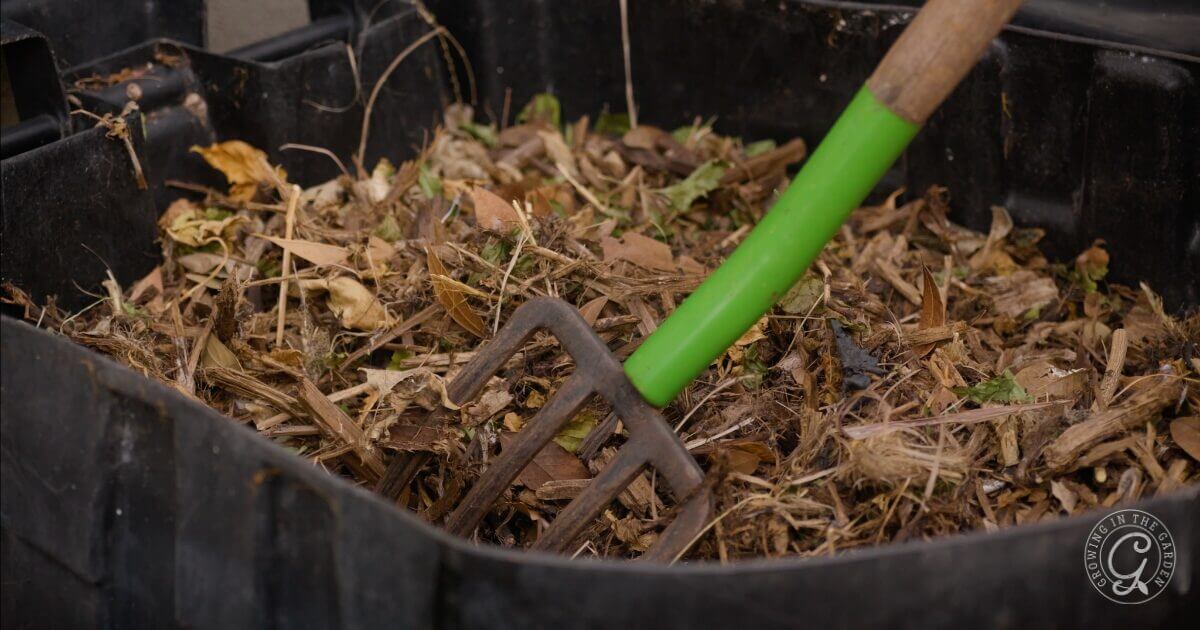
Composting kitchen scraps and yard waste will save money on soil amendments and fertilizers. Although this can be daunting at first, begin composting kitchen scraps with in-bed vermicomposting. If you have a large amount of yard waste, learn how to compost.
5. Choose Perennials When Starting Your Garden on a Budget:
Perennials come back year after year, saving you money in the long run. Some of my favorite perennials are asparagus, artichokes, Jerusalem artichokes, and strawberries. Find the best edible perennials for a desert garden.

6. Grow from Seeds to Save Money Gardening:
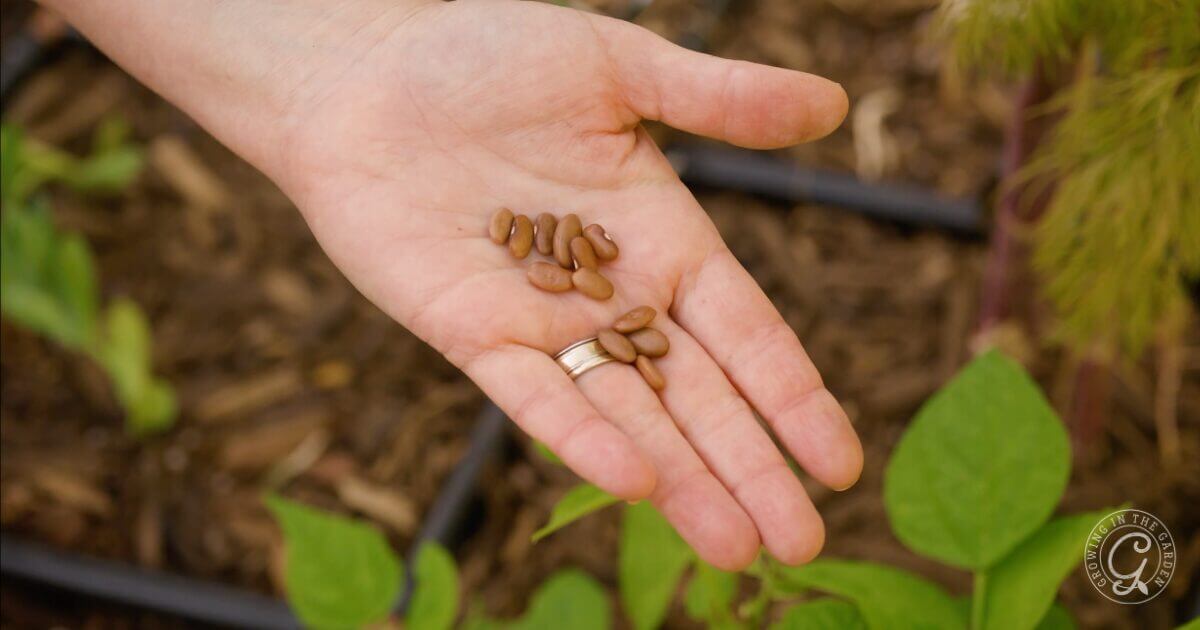
Growing plants from seeds is cheaper than buying seedlings or mature plants. Don’t be intimidated by starting plants from seed. If they have good soil and you start them at the right time, seeds will grow!
7. Water Wisely:
Depending on where you live, water can be an expensive part of gardening. Water in the early morning or late evening to reduce evaporation and save on your water bill. Learn how to water raised bed gardens as well as how to harvest and channel rainwater. For smarter water use, review when to water plants in hot weather: what wilting means.
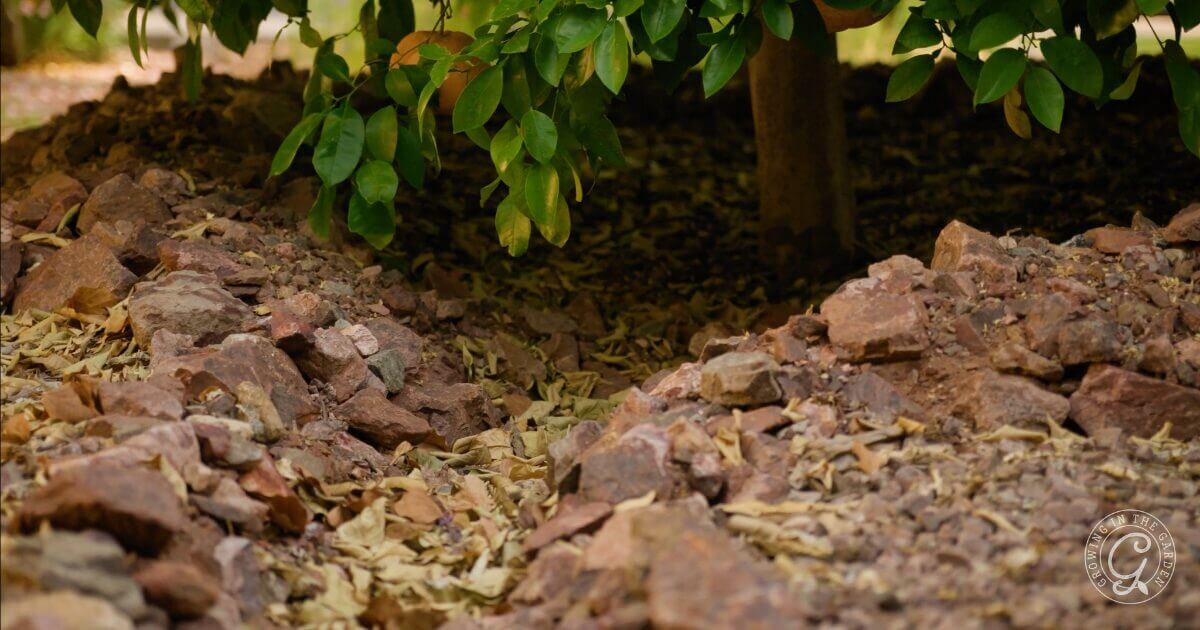
Mulch reduces the need for watering and weeding, saving time and money. Places like Chipdrop provide gardeners with free woodchips. Learn more about how to mulch your garden.
8. DIY Vertical Garden Structures:
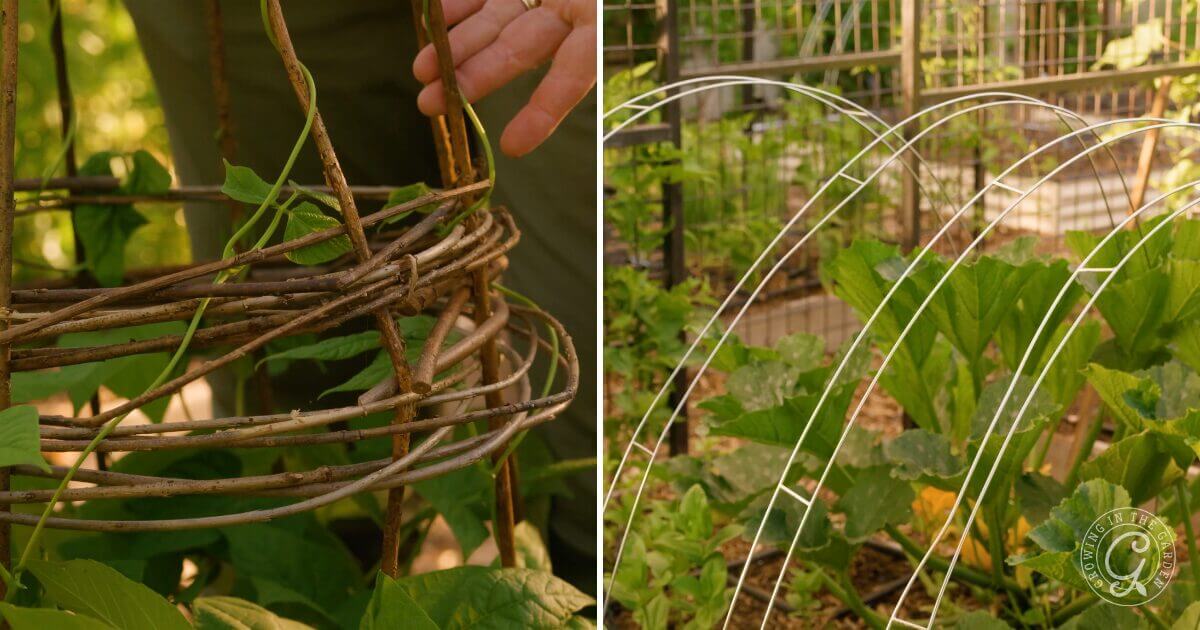
Building your own trellises, cages, and supports, instead of buying them, is a simple way to start a garden on a budget. Look around your house or garage and repurpose a ladder or other items. If you want to learn more, read this post about creative vertical gardening ideas.
9. Use Natural Pest Control:
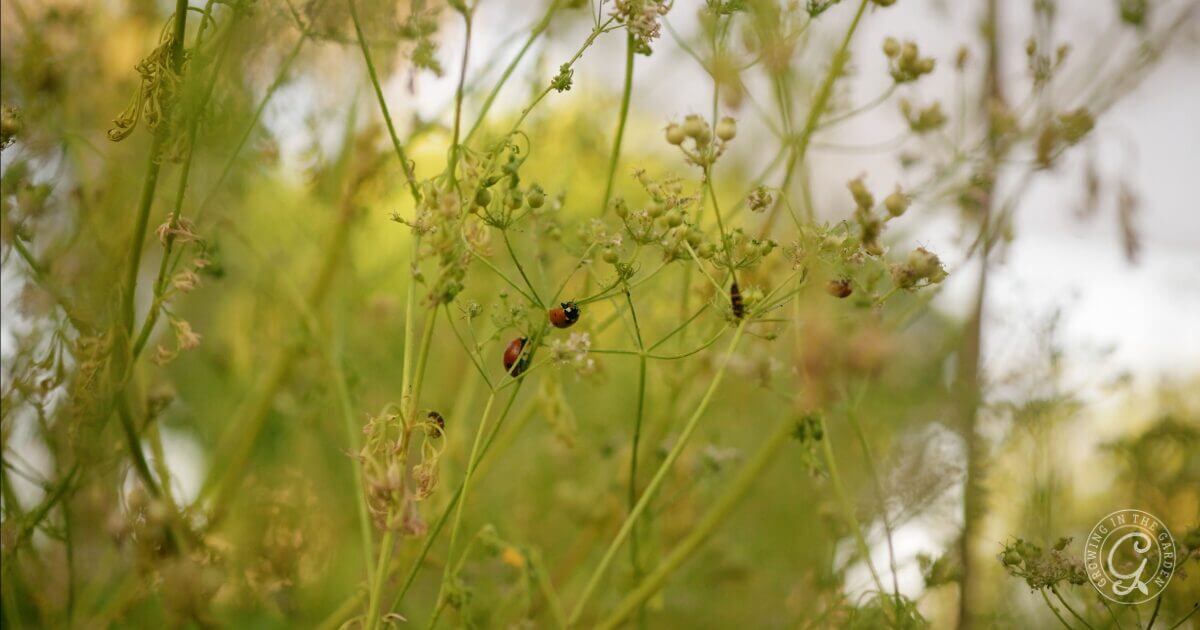
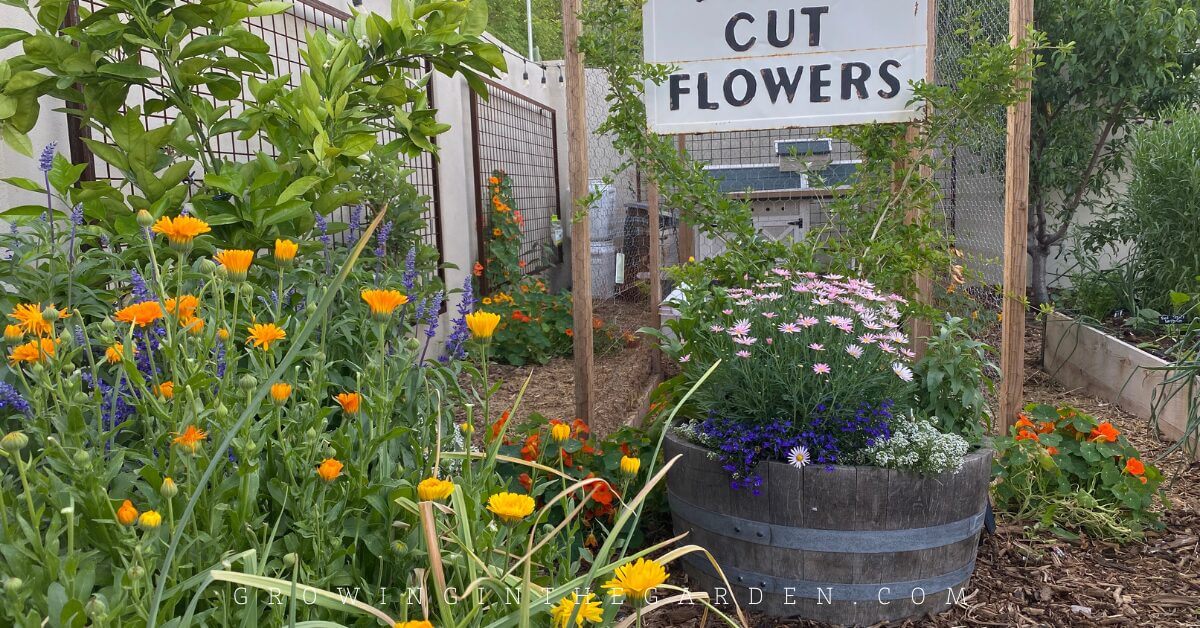
When I started gardening, I thought I needed expensive organic pest control amendments and sprays, such as neem oil. But it turns out that using natural methods like companion planting and adding herbs and flowers to your garden to help control pests are more effective and eliminate the need for expensive products. This will save you money and be better for your garden. Learn how to successfully companion plant.
10. Choose High-Yield Crops When Budget Gardening:
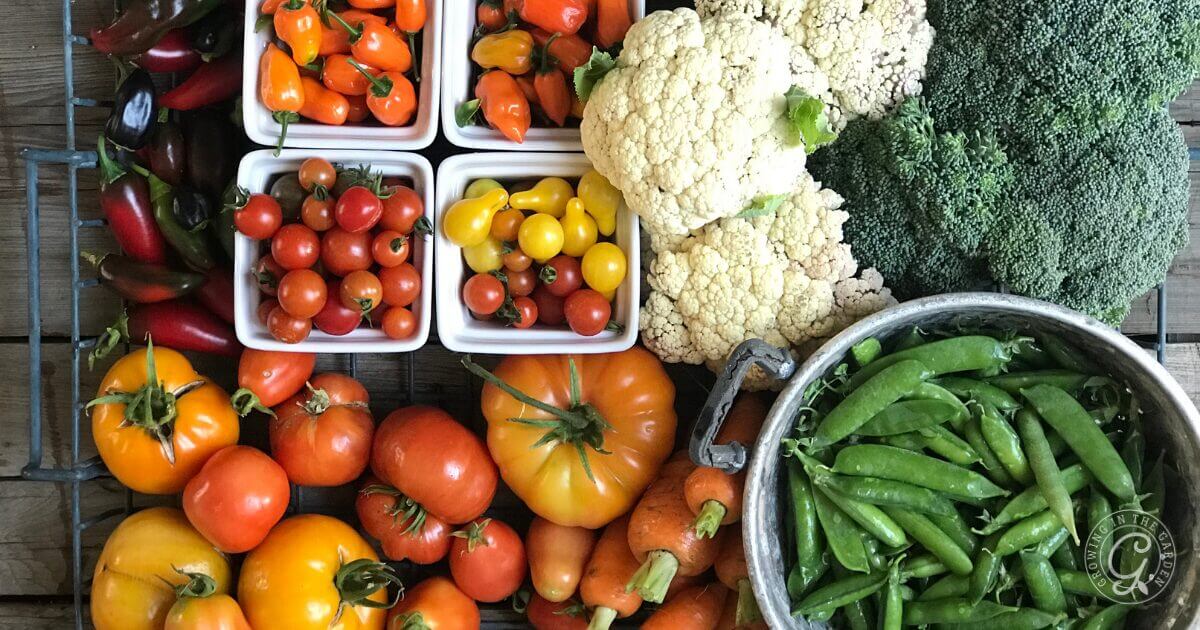
Starting a garden on a budget doesn’t mean you can’t grow delicious food. Grow vegetables that produce a lot of food, like tomatoes, zucchini, and beans. You’ll get large harvests with less expense. Choose crops you enjoy eating so there is less waste.
11. Find Ways to Use Your Harvests
Try growing loofahs and learn how to make your own loofah scrubbers!
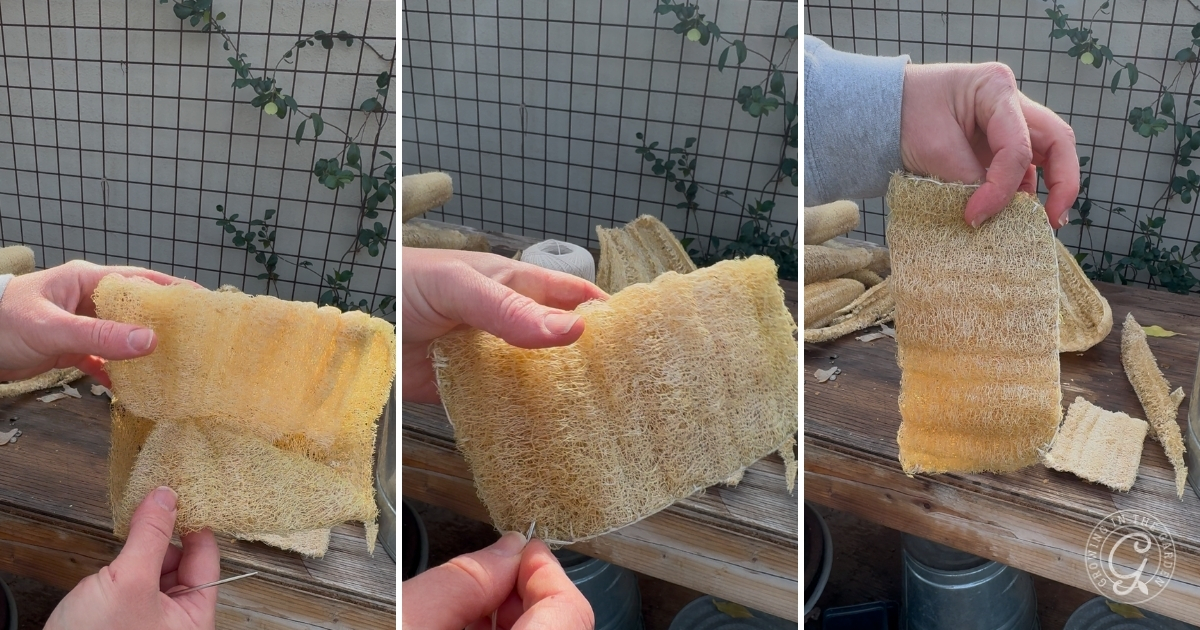
You’ll never need to buy a sponge again—plus, they’re completely sustainable. I love using my loofah sponges for washing dishes or in the shower!
Save on gift-giving by creating thoughtful, homegrown items that friends and family will truly appreciate. Here are some of my favorite ways to use and share my harvest!
Bonus Tip: Learn and Experiment When Starting a Garden on a Budget
The more you learn about gardening, the more you can save. Don’t be afraid to experiment and learn from your mistakes.

Remember, gardening doesn’t have to be expensive. A beautiful and productive garden on a budget is possible with creativity and resourcefulness. Let me know your best money-saving tips in the comments.
If you are just getting started with gardening, this beginner’s guide is a great place to begin. It pulls together my most helpful resources for new gardeners and walks you through the first steps toward a thriving garden.

Now that you know how to garden on a budget, here are 8 simple tips to help you get your garden started.

I gardened for many years in Northern CA before moving to Gilbert, AZ. When purchasing a home, we specifically looked for one with garden space. Now I’m ready to install garden boxes. Do you have any suggestions for ready-made garden boxes? I’m considering the tall metal raised garden beds available through Garden In Minutes but I’m concerned that metal boxes will generate more heat and require more water. What are your thoughts on the best materials to use for garden boxes in the Arizona heat? Do you have any thoughts about these garden boxes specifically?
I’ve used both wood and metal Garden in Minutes beds. When I have to replace my wood beds I will switch them out to the metal Garden in Minutes beds. I really like them. Last summer I took temperature readings and you can see the results in this blog post https://growinginthegarden.com/do-metal-beds-heat-up-more-than-wooden-garden-beds (Use code Angela10 to save $10 off $100 or GITG5 to save 5 percent on any size order)
I live in Tucson and water is expensive here! I have a 55 gallon rain barrel but it only supplements — I mostly use city water. I’ve often wondered how much water you use per month to water all your gardens. Do you use exclusively rainwater? Sometimes I think I spend more money on water than I would spend to buy an equal amount of produce. 🙁
Water is definitely an issue. Redoing my drip system was very helpful. I got rid of all of the grass/sprinklers and fixed any leaks in the drips. My water bill has gone down for sure. Using rainwater helps too. I’ll be posting more content next year about rainwater collection and ways to save on water that will hopefully be helpful for you.