
What to Plant in June in Arizona’s Low Desert
June is a two-part month. The first half, you’re still harvesting tomatoes, beans, squash, all the payoff from what you planted this spring. Then the heat takes over, and the garden asks something different of you. It asks you to do less, and that’s harder than it sounds.
The outdoor planting list for June is the shortest one in my Arizona garden planner, and that’s not a mistake. Almost everything you’d want to plant either won’t establish well in this heat or will struggle to get going. If you don’t have to plant this month, don’t.
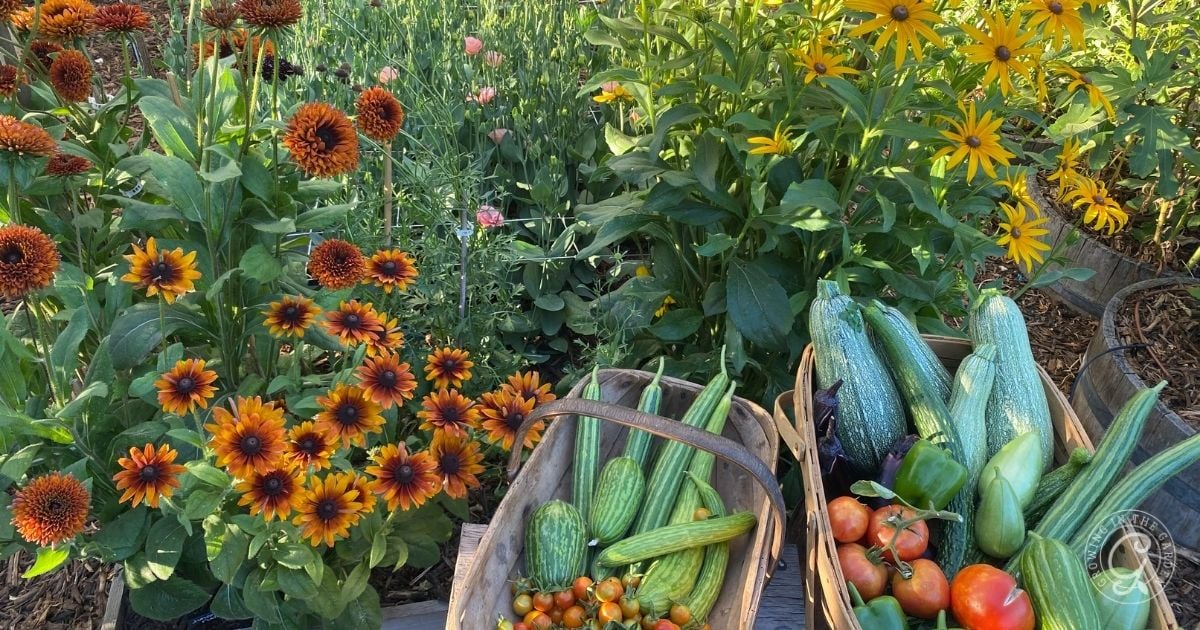
Looking for garden tasks to stay on track this month? Check out my Arizona Garden in June blog post and grab the free printable checklist!
Get help navigating the challenges of summer gardening by reading the Summer Gardening in Arizona article.
Key Takeaways
- June gardening in Arizona focuses on adapting to the heat with heat-tolerant vegetables, herbs, and flowers.
- Plant Armenian cucumbers, basil, and cantaloupe for success during this challenging month.
- Start seeds indoors for a second wave of planting, including tomatoes and peppers.
- Use rich soil, deep watering, and afternoon shade to keep your garden thriving.
- Explore resources like the Arizona Vegetable Planting Guide for detailed planting dates and methods.
What We’ll Cover:

Possible Vegetable, Herb, and Fruit Harvests This Month
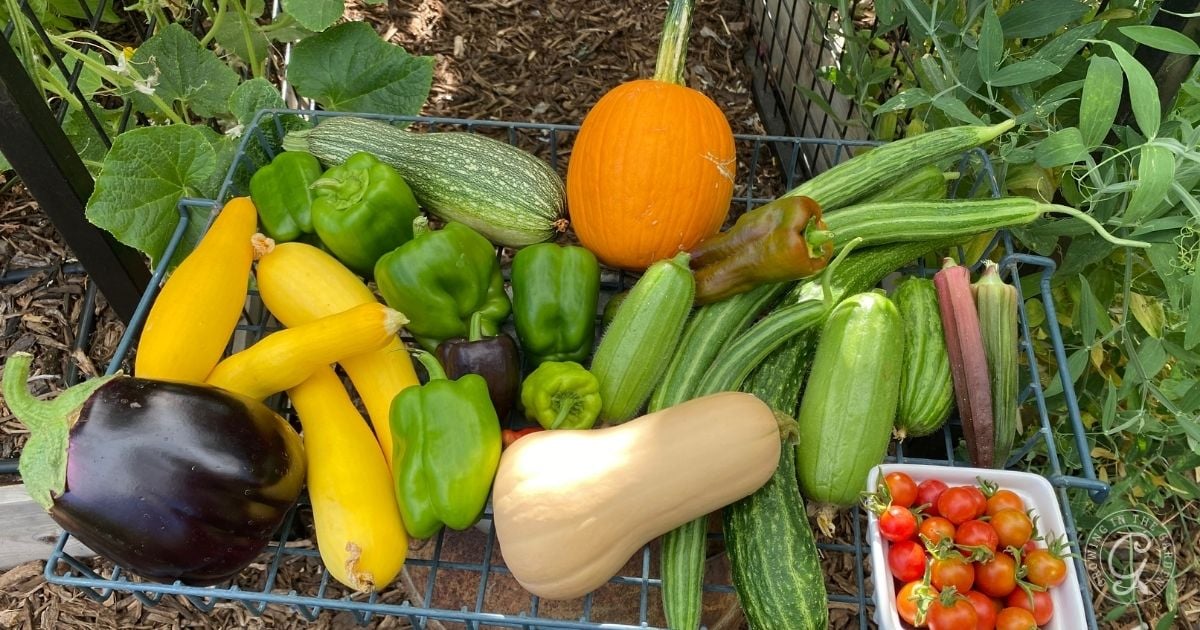
June harvests can be some of the most rewarding of the year. Many spring and warm-season crops are ready to pick before the heat becomes extreme. Harvest regularly to keep plants productive and reduce pest problems, and pick early in the day for best flavor and freshness. Gain insights into successful vegetable gardening practices specific to Arizona’s climate in the Vegetable Gardening in Arizona post.
(Click on the link to read “How to Grow” articles about each crop.)
Vegetables:
Armenian Cucumbers, Butternut Squash, Pumpkins, Cucumbers, Summer Squash, Tomatoes, Eggplant, I’itoi onions, Okra, Swiss Chard, Onions, Peppers, Potatoes, Carrots, Leeks, Garlic, Beans, Tomatillos
Herbs:
Oregano, Sage, Basil, Dill Seeds, Parsley, Parsley Seeds, Rosemary, Thyme, Mint
Fruit:
Chichiquelite, Strawberries, Grapefruit, Figs, Apples, Peaches, Watermelon, Cantaloupe, Passionfruit, Grapes, Ground Cherries
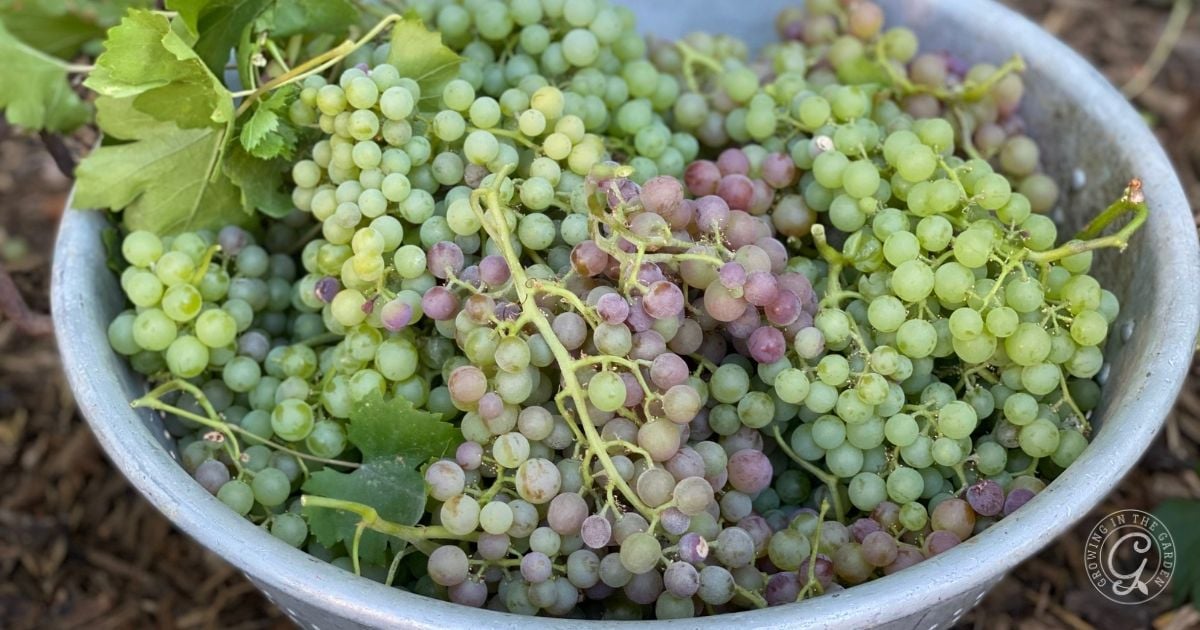
Plan your fruit garden with confidence using the Arizona Fruit Planting Guide, featuring planting dates and care instructions.
Which Vegetables, Herbs & Fruit to Plant in June
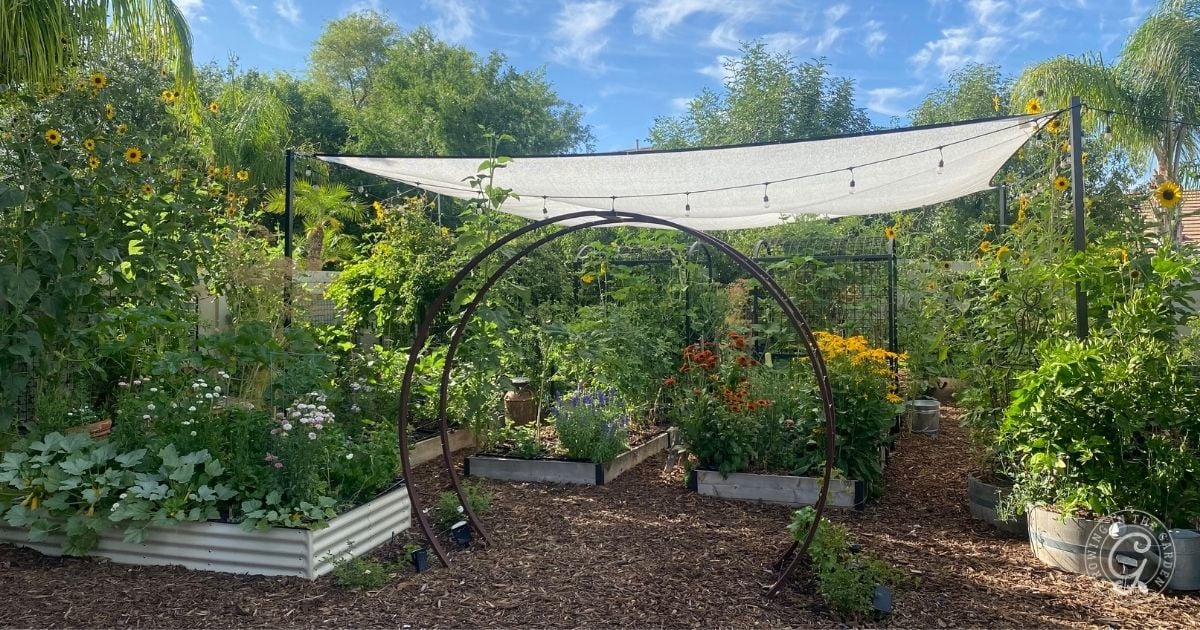
June marks the shift from a productive spring garden to one focused on heat-tolerant crops and survival. With temperatures rising and rainfall scarce, it’s not the easiest month to plant. Focus on filling empty spaces in the garden with cover crops, heat-loving vegetables, herbs, and fruit that can handle the heat.
Use best practices: plant in rich soil, water deeply and infrequently, and provide afternoon shade where possible. Even small additions now can help you keep your garden going through the summer.
If you do plant this month, just know these will work harder to establish than they would have a few weeks earlier, or than they will once the monsoon humidity arrives. These are the ones that can handle it:
[Click the links below to learn how to grow each crop.]
- Armenian Cucumber (ST)
- Basil (ST)
- Bean (Yardlong) (S)
- Black-eyed peas (S)
- Cantaloupe (ST)
- Okra (ST)
- Sunflower (S)
- Sweet Potato (slip)
- Watermelon (S)
Planting key:
- S = Seed
- T = Transplant
- ST = Seed or Transplant
- slip = grown from a rooted sprout, used for sweet potatoes
- bulb = planted from a bulb
- For detailed planting dates and methods for over 50 vegetables suited to the low desert, refer to the Arizona Vegetable Planting Guide.
- Explore optimal planting times and care tips for a variety of herbs in the Arizona Herb Planting Guide.
- For June planting guidance with heat-aware notes, learn more about the Low Desert Garden Planner or buy it in my shop.
Should You Pull It or Keep It?
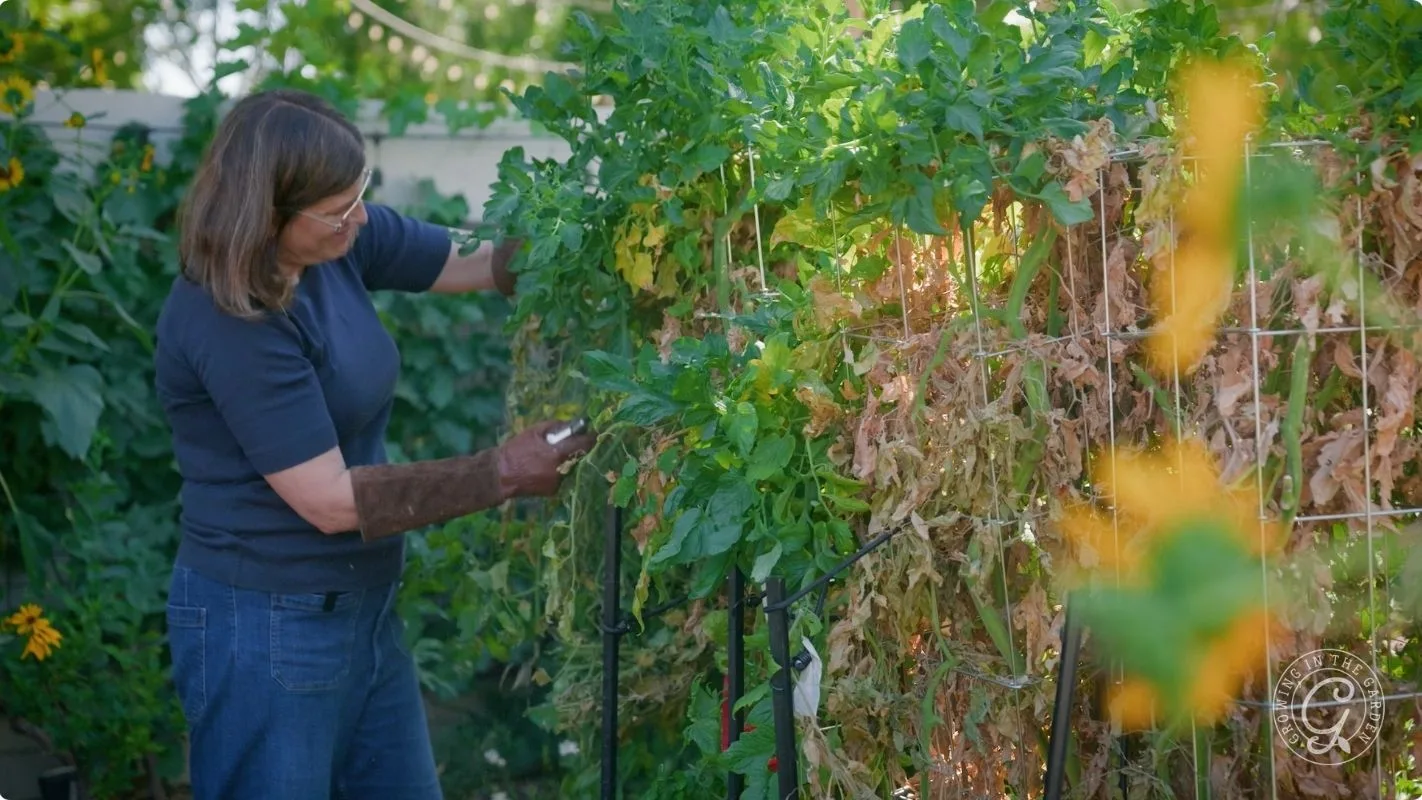
The hardest part of June usually isn’t deciding what to plant. It’s deciding what to let go of. When I teach summer gardening classes, the same questions come up every time. Should I pull this out? My cucumber never produced anything, is it done? What about my peppers?
It helps to know what’s annual and what’s perennial here in the low desert, because that changes the answer.
Cucumbers, bush beans, and pole beans are annuals. When they decline, they’re done, and there’s no bringing them back. Those thin leaves were never built for this heat. Once they start yellowing and looking tired, let them go.
Compare that to Armenian cucumbers and asparagus beans, which have waxy leaves built for heat. Mine are just getting started and should keep producing right through the summer. Same garden, same conditions, completely different result.
Peppers and eggplant can be perennial here. If they’re healthy, keep them. They’ll slow down in the heat and come back strong in the fall.
Tomatoes can technically overwinter too, but they’re the most susceptible to disease under stress, so evaluate each plant on its own. If it’s still healthy, try to keep it alive over the summer for an earlier fall harvest. If it doesn’t make it, you’ll plant again with the monsoons.
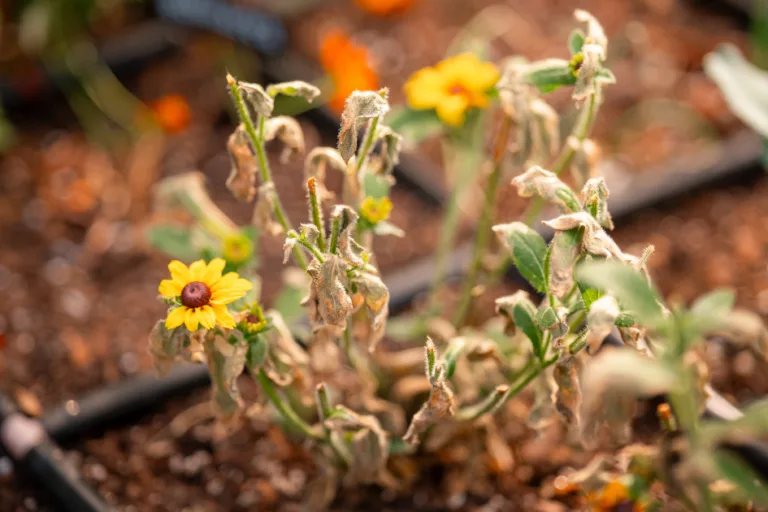
Walk through your garden and look at each plant honestly. Some things are finishing and some are just beginning. If a plant is struggling and wasn’t built for this heat, it’s okay to let it go. It earned it.
Plant with confidence—every month!
Gardening in Arizona’s low desert can be tricky, but you’re not alone. My monthly planting guides are made for gardeners in Phoenix, Tucson, and anywhere below 3,500 feet. Know what to plant, when to plant it, and how to keep growing throughout the year.
Want even more detailed help?
For a full planting calendar and month-by-month guidance, check out my Arizona Planting Calendars and Guides. And check out my online and in-person gardening classes so you can grow with confidence, no matter your experience level.

Vegetable, Herb & Fruit Seeds to Start Indoors in June
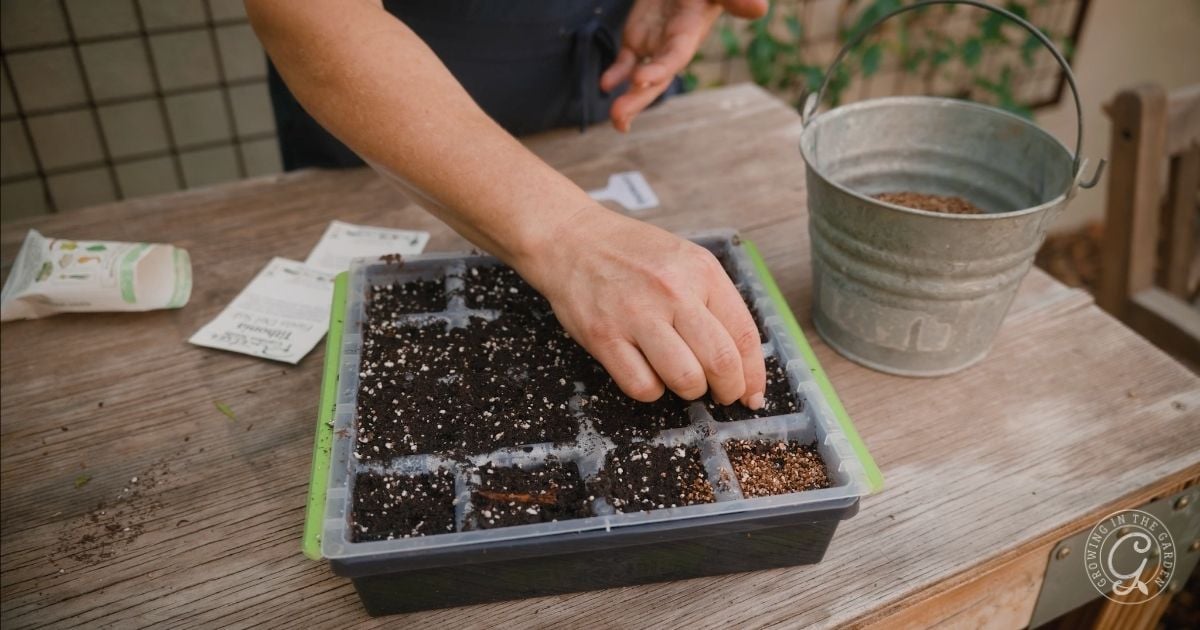
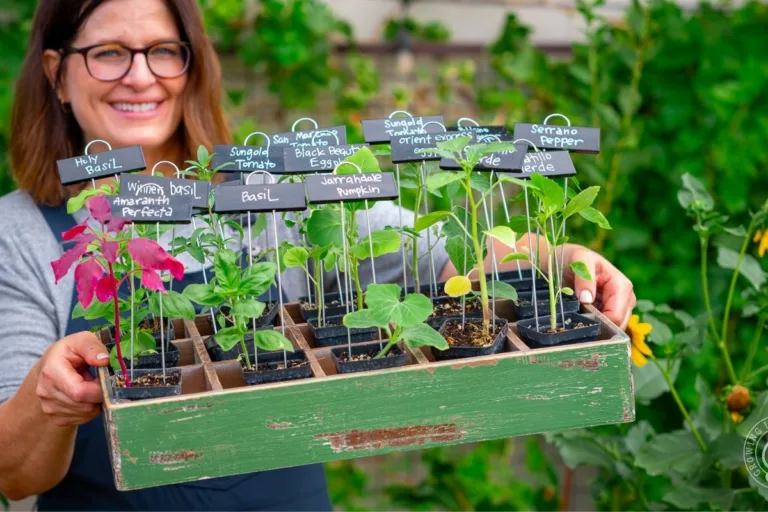
Looking ahead to the monsoon season? June is a great time to start seeds indoors for a second wave of summer planting. Starting seeds now gives heat-tolerant crops, such as tomatoes, peppers, and pumpkins, a head start before they are planted during the monsoon or early fall.
Use seed trays with good airflow and a fan, and harden off transplants before planting them out. Learn the best times to start seeds indoors for successful transplants with the Seed-Starting Guide for Low-Desert Vegetables.
[Click the links for trusted seed sources.]
- Armenian Cucumber
- Basil
- Cantaloupe
- Cucamelon
- Eggplant
- Ground Cherry
To plant with confidence, explore my favorite seeds, a collection of varieties I trust in my own garden.
Need ideas for the best seeds to plant in hot weather? Start with these 12 crops that handle heat and grow well from seed.
Seed Box Labels with Planting Dates for Vegetables and Flowers


Purchase the Vegetable Labels here and the Flower Labels here.
Flowers That May Bloom in June
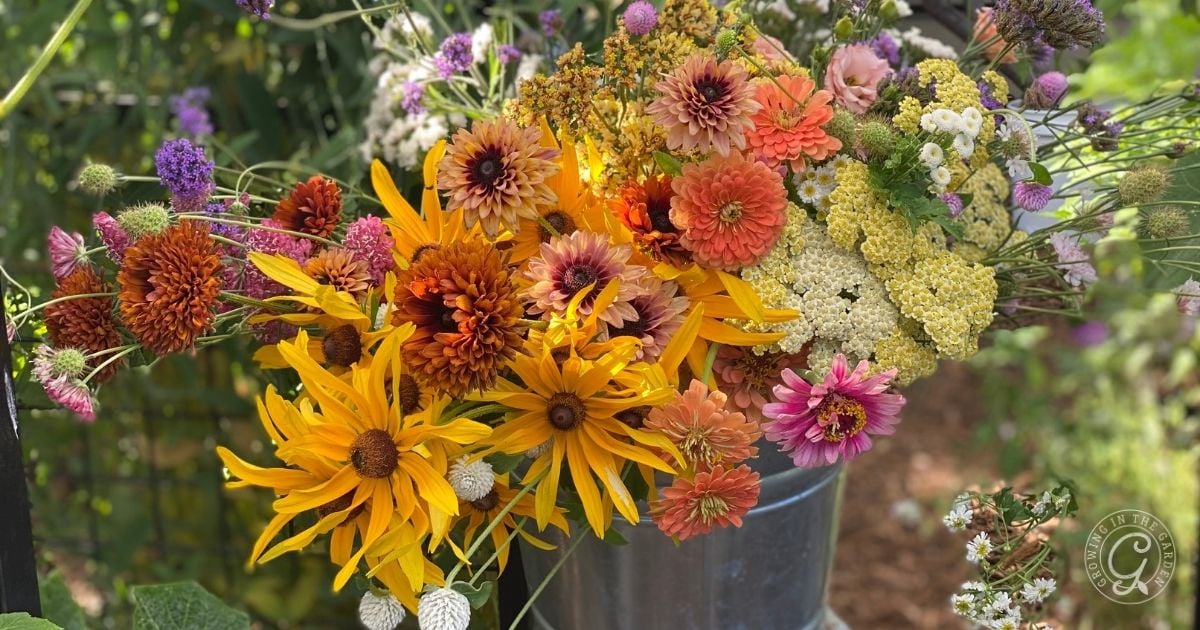
Despite the heat, many flowers continue to bloom in June, especially those adapted to warm, dry conditions. These blooms not only add beauty but also support pollinators during a tough season. Deadhead regularly and keep plants well-watered and mulched to extend flowering.
(Click on the link to read “How to Grow” articles about each crop.)
Lisianthus, Scabiosa, Feverfew, Sunflowers, Passionflowers, Strawflowers, Dianthus, Statice, Hollyhocks, Vanity Verbena, Rudbeckia, Salvia, Roses, Everlasting Sweet Peas, Floss-Flower, Shasta Daisy, Echinacea, Yarrow, Gazania, Gomphrena, Gaillardia, Zinnia, Skyflower, Lobelia, Dahlia, Vinca, Coleus, Dara, Aster, Carnation, Angelonia, Cosmos, Black-Eyed Susan Vine, Alyssum, Larkspur, Campanula
Add vibrant color to your summer garden with these 10 heat-tolerant flowers.
Which Flowers to Plant in June
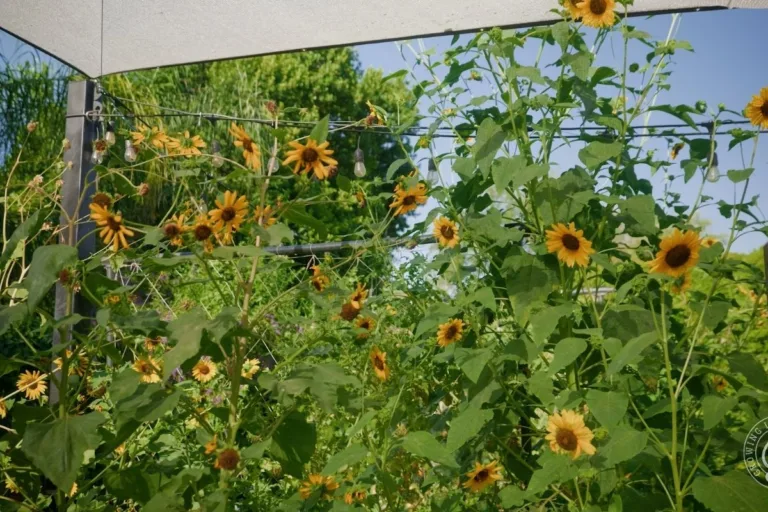
It’s true—June is a challenging month for flowers, but some heat-loving annuals and transplants can still bring beauty and color to your summer garden. Focus on flowers that thrive in full sun and heat. Don’t forget to water deeply and mulch well to help keep the roots cool.
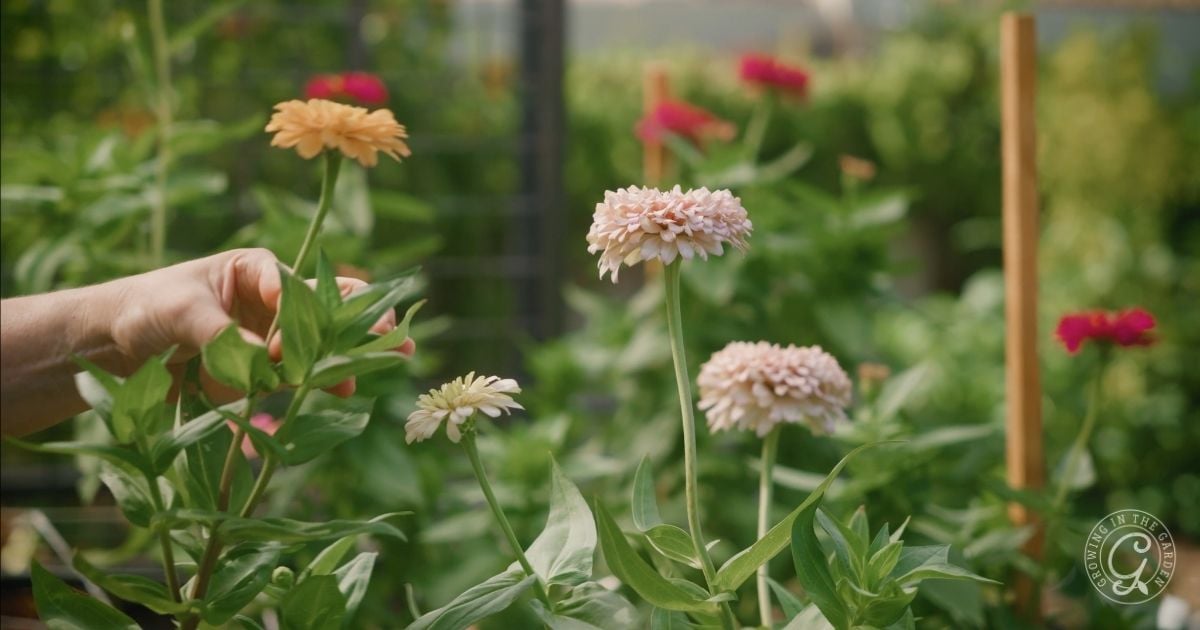
Plant early in the month when possible, and provide some shade during the hottest part of the day to help new plants get established.
[Click the links to learn how to grow each flower.]
- Angelonia (T)
- Celosia* thru the 15th (T)
- Coleus* thru the 15th (T)
- Cosmos (S)
- Cosmos (sulfur) (S)
- Four O’Clock (S)
- Gomphrena (T)
- Portulaca / Moss Rose (ST)
- Purslane (ST)
- Rain Lily (bulb)
- Sunflower (S)
- Vinca (T)
- Zinnia (ST)
Planting key:
- S = Seed
- T = Transplant
- ST = Seed or Transplant
- slip = grown from a rooted sprout, used for sweet potatoes
- bulb = planted from a bulb
Discover which annual flowers thrive in the low desert and when to plant them with the Arizona Annual Flowers Planting Guide.
Flower Seeds to Start Indoors in June
Only one flower—verbena—makes the list this month, but this section will grow soon as some of our favorite cool-season hardy annuals begin to return.
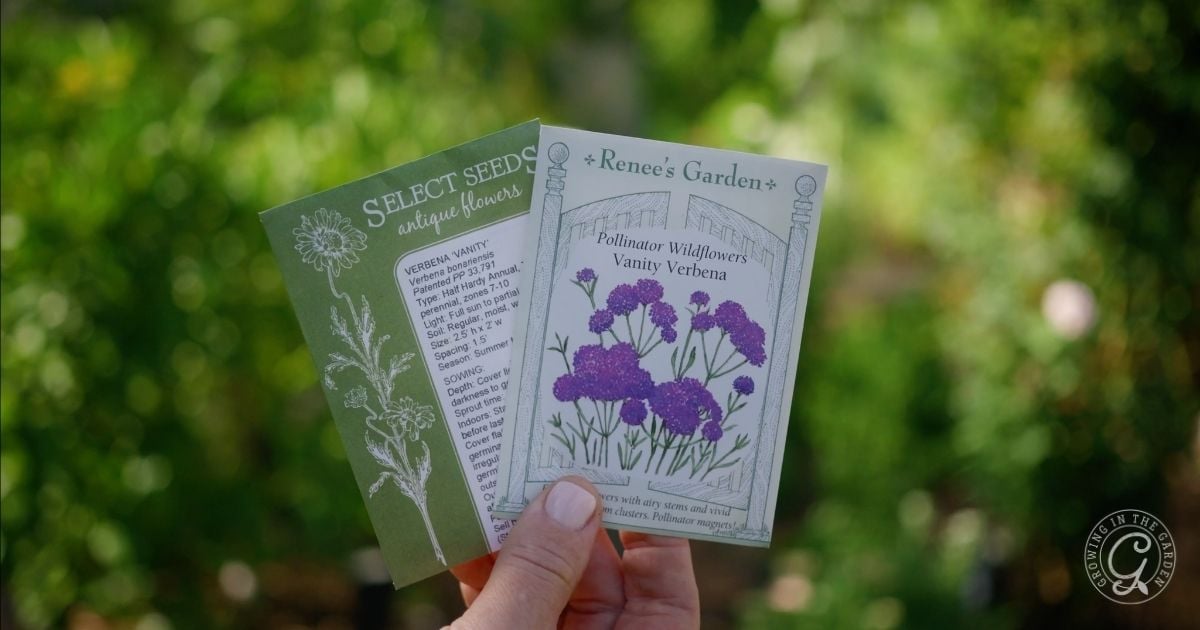
[Click the link for seed source.]
Good airflow and light are key to healthy seedlings. Starting now means you’ll have strong transplants ready to go when planting conditions improve.

Leave a comment on What to Plant in June in Arizona’s Low Desert